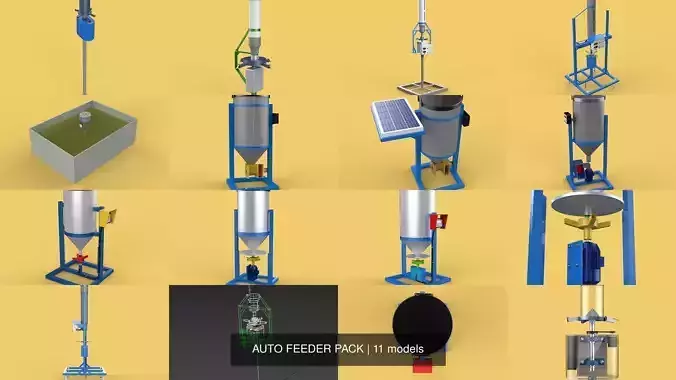
High-quality 3D assets at affordable prices — trusted by designers, engineers, and creators worldwide. Made with care to be versatile, accessible, and ready for your pipeline.
Included File Formats
This model is provided in 14 widely supported formats, ensuring maximum compatibility:
• - FBX (.fbx) – Standard format for most 3D software and pipelines
• - OBJ + MTL (.obj, .mtl) – Wavefront format, widely used and compatible
• - STL (.stl) – Exported mesh geometry; may be suitable for 3D printing with adjustments
• - STEP (.step, .stp) – CAD format using NURBS surfaces
• - IGES (.iges, .igs) – Common format for CAD/CAM and engineering workflows (NURBS)
• - SAT (.sat) – ACIS solid model format (NURBS)
• - DAE (.dae) – Collada format for 3D applications and animations
• - glTF (.glb) – Modern, lightweight format for web, AR, and real-time engines
• - 3DS (.3ds) – Legacy format with broad software support
• - 3ds Max (.max) – Provided for 3ds Max users
• - Blender (.blend) – Provided for Blender users
• - SketchUp (.skp) – Compatible with all SketchUp versions
• - AutoCAD (.dwg) – Suitable for technical and architectural workflows
• - Rhino (.3dm) – Provided for Rhino users
Model Info
• - All files are checked and tested for integrity and correct content
• - Geometry uses real-world scale; model resolution varies depending on the product (high or low poly)
• • - Scene setup and mesh structure may vary depending on model complexity
• - Rendered using Luxion KeyShot
• - Affordable price with professional detailing
Buy with confidence. Quality and compatibility guaranteed.
If you have any questions about the file formats, feel free to send us a message — we're happy to assist you!
Sincerely,
SURF3D
Trusted source for professional and affordable 3D models.
More Information About 3D Model :
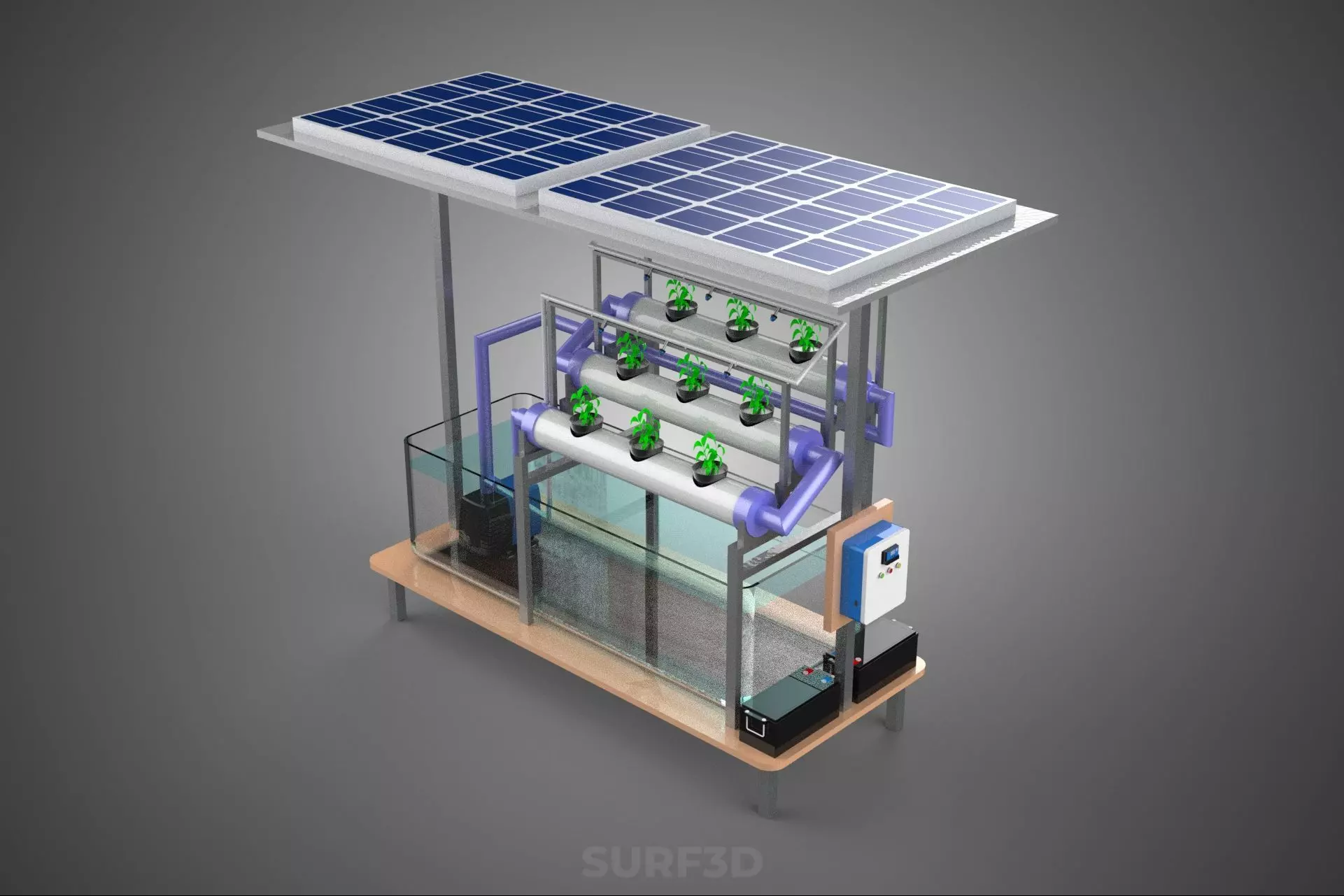
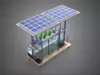
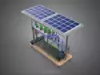
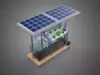
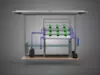
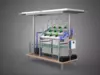
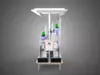
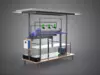
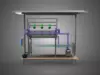
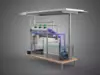
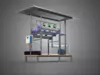
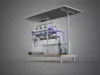
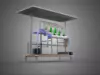
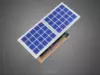
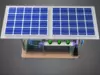
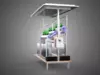
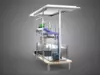
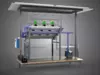
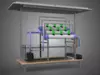
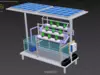
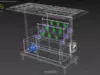
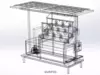
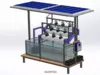
HYDROPONIC PANEL SOLAR CELL POWERED FARM PLANT WATER PUMP SPRAY
The term Hydroponic Panel Solar Cell Powered Farm Plant Water Pump Spray describes a sophisticated, integrated agricultural system that combines soilless cultivation techniques with renewable energy for sustainable and autonomous crop production. This system fundamentally consists of modular hydroponic panels designed for plant growth, an energy generation unit utilizing solar photovoltaic cells, a specialized water pump for circulating nutrient solution, and a spray or misting mechanism for precise nutrient delivery to the plant roots or foliage. It represents a confluence of advanced horticulture and sustainable engineering, aimed at optimizing resource utilization and enhancing food security, particularly in challenging environments.
System Architecture and Core Components:
- Hydroponic Panel System: At the core of the cultivation aspect, the Hydroponic Panel refers to the structured, often modular, growing platform that supports plants without soil. These panels are engineered to facilitate various soilless growing methods, such as Nutrient Film Technique (NFT), Deep Water Culture (DWC), or aeroponics, where plant roots are suspended in or periodically exposed to a nutrient-rich solution. The panel design optimizes space utilization, allows for high-density planting, and provides a sterile environment, which significantly reduces the incidence of soil-borne diseases. By eliminating soil, hydroponic panel systems achieve remarkable water efficiency, often reducing consumption by up to 90% compared to traditional field farming.
- Solar Cell Power System: The Solar Cell Powered component signifies the system's reliance on solar photovoltaic (PV) technology as its primary energy source. This typically involves an array of solar panels that convert sunlight directly into direct current (DC) electricity. This energy is then managed by a charge controller, which regulates power flow to a battery bank for energy storage. The battery bank ensures continuous operation of the system's electrical components, particularly the water pump, during periods of low light or at night. This integration provides energy independence, reduces operational costs, minimizes the carbon footprint, and enables the deployment of these farms in remote or off-grid locations, fostering localized food production.
- Plant Water Pump: The Plant Water Pump is a critical electro-mechanical device responsible for the circulation and delivery of the nutrient-rich solution. In solar-powered applications, energy-efficient DC pumps are commonly employed due given their direct compatibility with the solar power system. The pump draws the prepared nutrient solution from a reservoir and propels it through a network of conduits and emitters. Its function is to maintain consistent pressure and flow rate, ensuring that all plants receive an adequate supply of water and dissolved minerals essential for growth. The pump's reliability directly impacts the efficiency and productivity of the entire hydroponic system.
- Spray Mechanism for Nutrient Delivery: The Spray element denotes the method of nutrient solution application, often emphasizing precision and aeration. This frequently refers to an aeroponic delivery system, where the nutrient solution is atomized into a fine mist or spray and directly applied to the suspended roots of the plants. This method significantly increases root oxygenation, which can accelerate plant growth, enhance nutrient uptake, and improve overall plant health. Alternatively, the spray mechanism might involve misting nozzles used for humidification within controlled environments or for foliar feeding, where nutrients are absorbed directly through the leaves. The fine droplet size produced by spray nozzles minimizes water waste and ensures efficient nutrient distribution.
Integrated Operation and Applications:
In operation, the solar panels capture sunlight, generating electricity that powers the water pump. The pump then draws the precisely formulated nutrient solution from a reservoir. This solution is pressurized and delivered through specialized nozzles, which convert it into a fine spray or mist directly onto the roots or foliage of plants situated within the hydroponic panels. Any unused solution typically drains back into the reservoir, allowing for recirculation, filtration, and replenishment, thereby maximizing water and nutrient efficiency.
These integrated systems find diverse applications, including urban farming initiatives, vertical farms, scientific research, educational kits, and humanitarian efforts in water-stressed or remote regions. Their self-sufficiency makes them particularly valuable for off-grid agricultural production, disaster relief, and promoting food sovereignty in areas with limited access to traditional farming resources or reliable energy grids.
Advantages and Considerations:
The primary advantages of a Hydroponic Panel Solar Cell Powered Farm Plant Water Pump Spray system include exceptional water conservation, accelerated plant growth rates, higher yields within compact footprints, reduced susceptibility to pests and diseases, and a significant decrease in reliance on external energy sources. Environmental benefits encompass reduced land use, minimized fertilizer runoff, and a lower carbon footprint. Economically, the long-term operational cost savings through solar energy can be substantial.
Considerations for implementation involve the initial capital investment required for solar equipment and hydroponic infrastructure, the need for technical expertise in system design, maintenance, and nutrient management, and the importance of monitoring water quality and plant health parameters. Despite these challenges, the long-term sustainability, resource efficiency, and operational independence offer compelling benefits for the future of agriculture.