High-quality 3D assets at affordable prices — trusted by designers, engineers, and creators worldwide. Made with care to be versatile, accessible, and ready for your pipeline.
Included File Formats
This model is provided in 14 widely supported formats, ensuring maximum compatibility:
• - FBX (.fbx) – Standard format for most 3D software and pipelines
• - OBJ + MTL (.obj, .mtl) – Wavefront format, widely used and compatible
• - STL (.stl) – Exported mesh geometry; may be suitable for 3D printing with adjustments
• - STEP (.step, .stp) – CAD format using NURBS surfaces
• - IGES (.iges, .igs) – Common format for CAD/CAM and engineering workflows (NURBS)
• - SAT (.sat) – ACIS solid model format (NURBS)
• - DAE (.dae) – Collada format for 3D applications and animations
• - glTF (.glb) – Modern, lightweight format for web, AR, and real-time engines
• - 3DS (.3ds) – Legacy format with broad software support
• - 3ds Max (.max) – Provided for 3ds Max users
• - Blender (.blend) – Provided for Blender users
• - SketchUp (.skp) – Compatible with all SketchUp versions
• - AutoCAD (.dwg) – Suitable for technical and architectural workflows
• - Rhino (.3dm) – Provided for Rhino users
Model Info
• - All files are checked and tested for integrity and correct content
• - Geometry uses real-world scale; model resolution varies depending on the product (high or low poly)
• • - Scene setup and mesh structure may vary depending on model complexity
• - Rendered using Luxion KeyShot
• - Affordable price with professional detailing
Buy with confidence. Quality and compatibility guaranteed.
If you have any questions about the file formats, feel free to send us a message — we're happy to assist you!
Sincerely,
SURF3D
Trusted source for professional and affordable 3D models.
More Information About 3D Model :
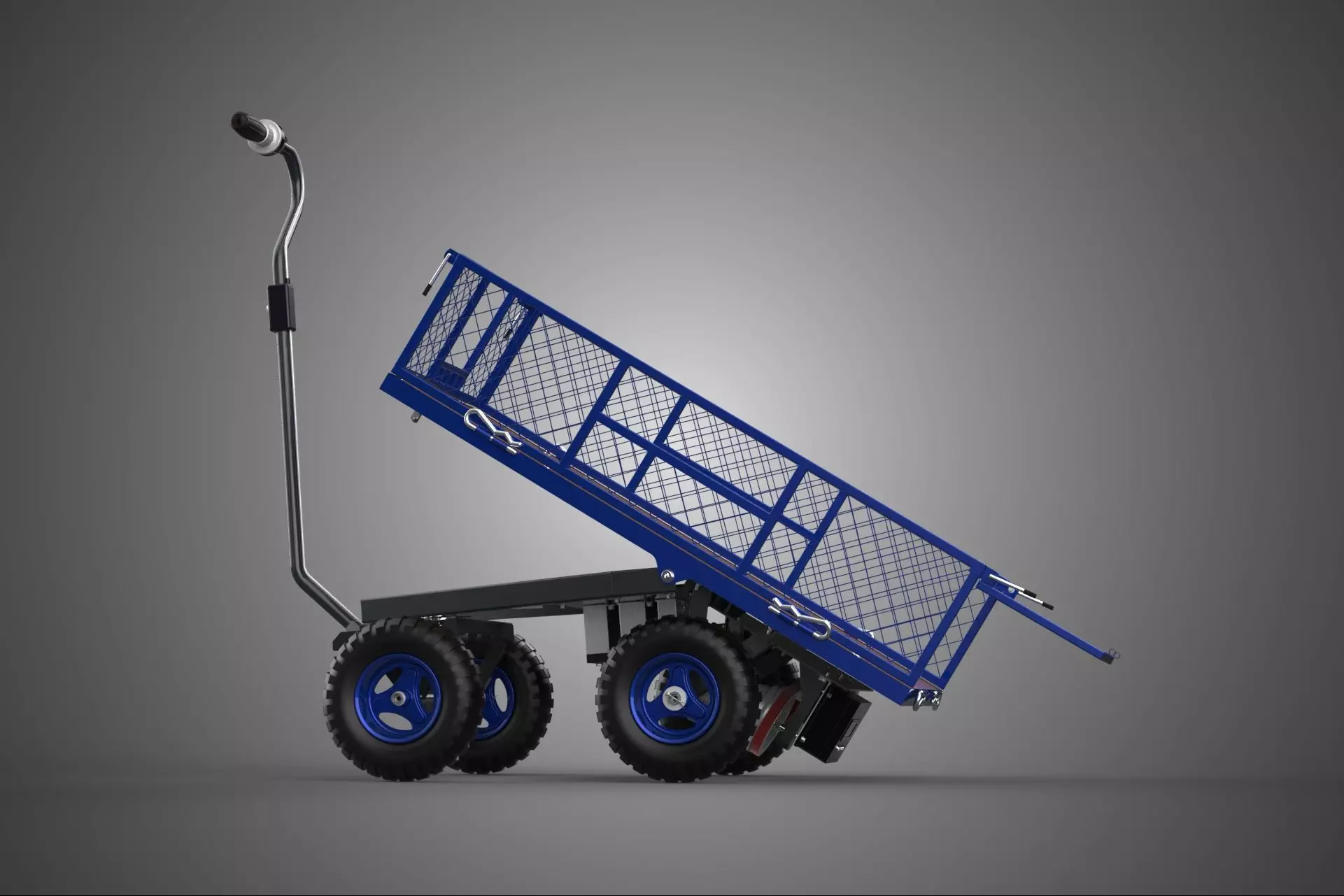
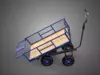
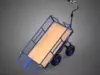
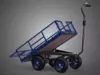
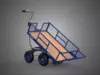
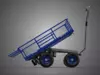
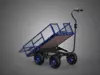
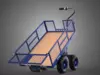
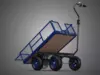
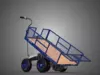
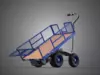
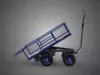
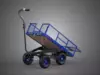
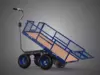
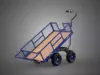
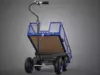
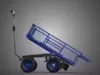
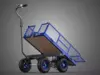
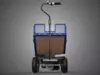
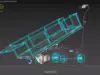
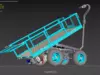
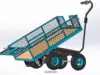
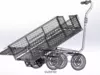
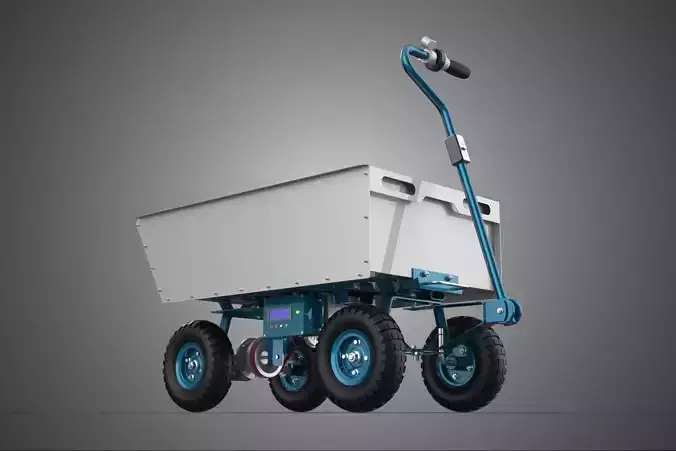
An Electric Motorized Tipping Tilted Trolley Wheelbarrow Carrier EV represents a sophisticated class of battery-electric utility vehicles specifically engineered for the efficient, ergonomic, and environmentally conscious transport and controlled discharge of bulk materials. This specialized equipment integrates an electric propulsion system with a robust chassis, a substantial cargo bed, and an advanced material handling mechanism that combines both tipping and precise tilting capabilities. As an Electric Vehicle (EV), it operates with zero direct emissions and significantly reduced noise levels, providing an advantageous alternative to manual labor or internal combustion engine-powered equipment across diverse operational environments.
Nomenclature and Classification:
This device is commonly recognized by several designations, including electric power barrow, electric mini dumper, electric utility cart, or motorized wheelbarrow. It is positioned within the broader category of material handling equipment, serving as a versatile tool that bridges the gap between traditional manual wheelbarrows and larger, more complex machinery like compact dumpers or skid-steer loaders. Its design prioritizes maneuverability, quiet operation, and precision in material placement.
Design and Components:
- Propulsion System: The core of the EV is its electric powertrain, which typically consists of a high-efficiency brushless DC (BLDC) or AC motor. This motor is powered by a rechargeable battery pack, predominantly lithium-ion (Li-ion) due to its superior energy density, extended cycle life, and minimal self-discharge. Common voltage configurations range from 24V to 48V. The motor drives one or more wheels, often through a reduction gearbox, facilitating variable speed control for both forward and reverse motion. Integrated Battery Management Systems (BMS) are crucial for ensuring safe operation, optimizing battery performance, and extending lifespan. Charging is performed via onboard or external chargers.
- Chassis and Frame: The structural integrity is provided by a durable chassis, typically constructed from reinforced steel tubing or heavy-gauge sheet metal. Unlike traditional single-wheel wheelbarrows, these EVs often feature multi-wheel configurations (e.g., three, four, or six wheels) to enhance stability, improve load distribution, and increase traction over varied terrains. Some advanced models incorporate articulated steering or independent wheel drive systems for superior maneuverability in confined or complex spaces.
- Cargo Bed/Hopper: The cargo bed, or hopper, is designed to contain a wide array of loose or bulky materials. Construction materials commonly include robust steel for heavy-duty industrial applications or high-density polyethylene (HDPE) for lighter loads, chemical resistance, or non-stick properties. Capacities are specified by volume (liters or cubic feet) and maximum payload weight (kilograms or pounds).
- Tipping Mechanism: The tipping function refers to the automated or assisted elevation and inversion of the cargo bed to facilitate the rapid discharge of its contents. This is typically accomplished through an electro-hydraulic cylinder system, gas struts, or a mechanical linkage assisted by a powerful electric motor. Powered tipping significantly reduces operator physical exertion and accelerates unloading cycles.
- Tilted Feature: The tilted aspect denotes an advanced capability for precise and controlled material discharge. This can manifest in several ways:
- Permanent Angle: The cargo bed may be designed with a fixed, slight angle to optimize the retention of liquid or granular materials during transport and to aid in complete material evacuation during discharge.
- Multi-Axis Tilting: Beyond a simple pivot, the tipping mechanism may allow the cargo bed to tilt along an additional axis (e.g., side-tilting, rotational tilting, or a combination), providing greater control over the direction and spread of the unloaded material. This feature is particularly beneficial for precise placement into narrow trenches, specific receptacles, or to prevent spillage in sensitive areas.
- Controls and Ergonomics: Operators control the EV via ergonomic handlebars or an intuitive control panel. Features typically include variable speed throttles, forward/reverse selectors, an emergency stop button, and a battery charge indicator. Essential safety features often comprise automatic braking systems, anti-tip mechanisms, and horn.
- Wheels and Tires: Robust pneumatic or solid tires are selected based on anticipated terrain and load requirements, ensuring optimal traction and load-bearing capacity on rough ground, soft soil, or paved surfaces.
Operational Characteristics:
Electric motorized tipping tilted trolleys are distinguished by their minimal operational noise, absence of local exhaust emissions, and reduced vibration. These characteristics make them ideal for indoor use, residential areas, noise-restricted zones, and environmentally sensitive sites. The electric powertrain delivers instant torque, ensuring smooth and consistent acceleration even when fully loaded. Typical load capacities range from 150 kg to over 1000 kg, with operational speeds generally optimized for walking pace (3 to 8 km/h). Maintenance requirements are inherently lower than equivalent internal combustion engine vehicles, primarily involving battery management and routine mechanical inspections.
Applications:
These versatile EVs are extensively utilized across a broad spectrum of industries:
- Construction: Transporting sand, gravel, concrete, bricks, soil, and demolition debris on building sites.
- Landscaping and Horticulture: Moving soil, mulch, rocks, plants, fertilizers, and garden waste.
- Agriculture: Hauling feed, manure, produce, and tools within farm premises and greenhouses.
- Industrial and Logistics: Conveying components, raw materials, finished goods, and waste within factories, warehouses, and distribution centers.