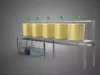
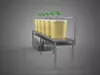
High-quality 3D assets at affordable prices — trusted by designers, engineers, and creators worldwide. Made with care to be versatile, accessible, and ready for your pipeline.
Included File Formats
This model is provided in 14 widely supported formats, ensuring maximum compatibility:
• - FBX (.fbx) – Standard format for most 3D software and pipelines
• - OBJ + MTL (.obj, .mtl) – Wavefront format, widely used and compatible
• - STL (.stl) – Exported mesh geometry; may be suitable for 3D printing with adjustments
• - STEP (.step, .stp) – CAD format using NURBS surfaces
• - IGES (.iges, .igs) – Common format for CAD/CAM and engineering workflows (NURBS)
• - SAT (.sat) – ACIS solid model format (NURBS)
• - DAE (.dae) – Collada format for 3D applications and animations
• - glTF (.glb) – Modern, lightweight format for web, AR, and real-time engines
• - 3DS (.3ds) – Legacy format with broad software support
• - 3ds Max (.max) – Provided for 3ds Max users
• - Blender (.blend) – Provided for Blender users
• - SketchUp (.skp) – Compatible with all SketchUp versions
• - AutoCAD (.dwg) – Suitable for technical and architectural workflows
• - Rhino (.3dm) – Provided for Rhino users
Model Info
• - All files are checked and tested for integrity and correct content
• - Geometry uses real-world scale; model resolution varies depending on the product (high or low poly)
• • - Scene setup and mesh structure may vary depending on model complexity
• - Rendered using Luxion KeyShot
• - Affordable price with professional detailing
Buy with confidence. Quality and compatibility guaranteed.
If you have any questions about the file formats, feel free to send us a message — we're happy to assist you!
Sincerely,
SURF3D
Trusted source for professional and affordable 3D models.
More Information About 3D Model :
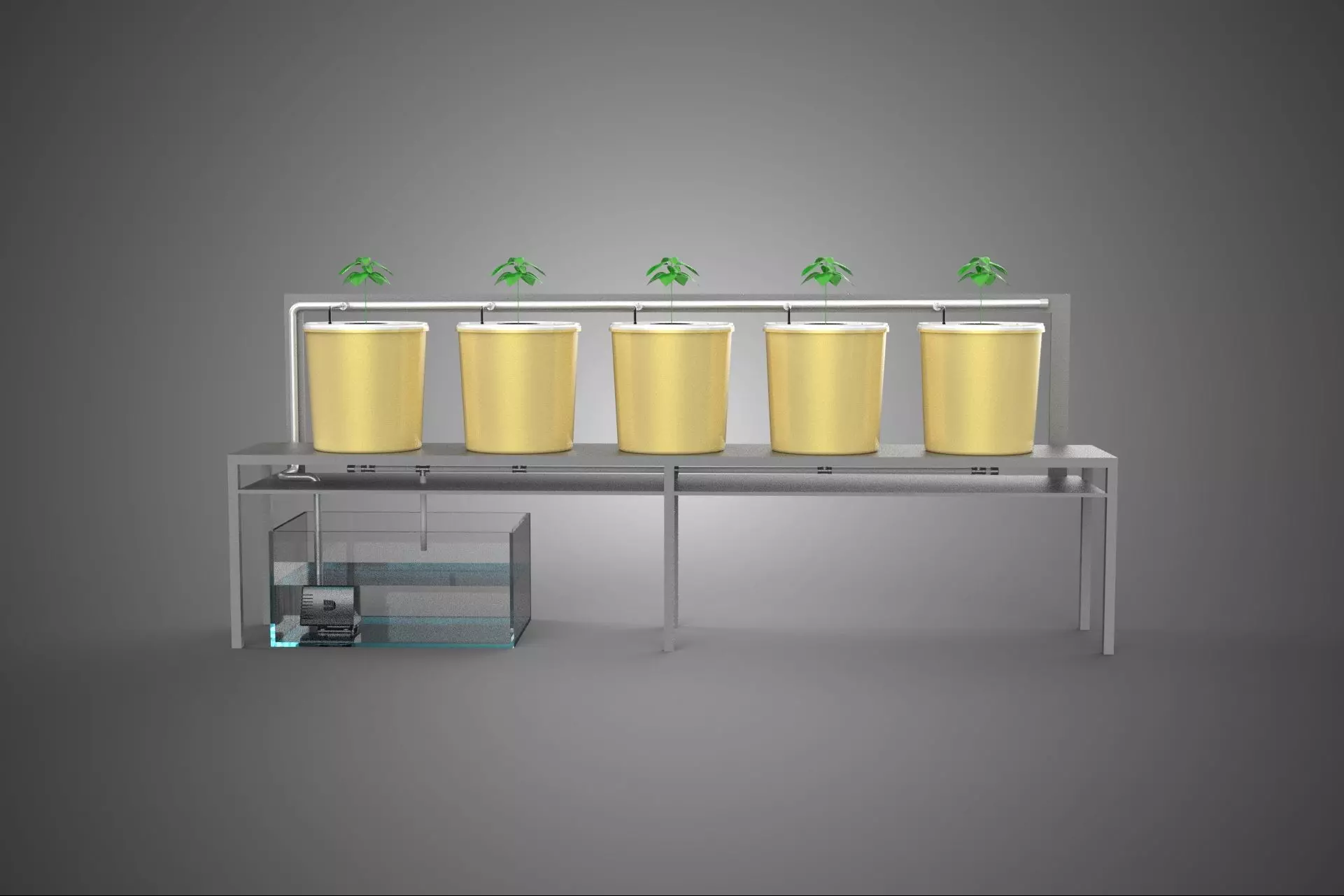
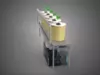
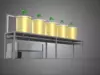
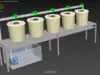
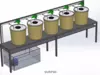
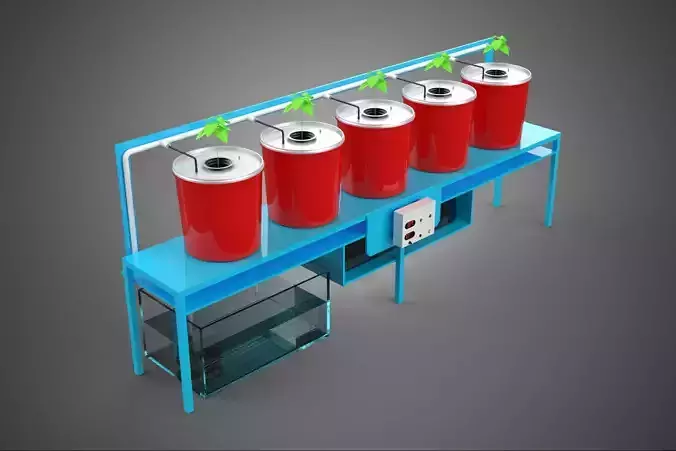
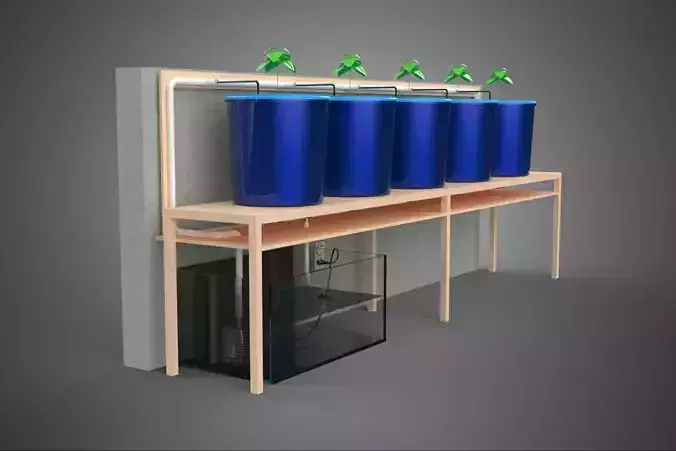
CULTIVATION OF HORTICULTURAL CROPS: FRUITS, VEGETABLES, AND THE APPLICATION OF HYDROPONIC FARMING AND GARDENING SYSTEMS
The systematic cultivation of plants, encompassing both large-scale farming and intensive gardening, is the foundation of global food production. This domain specifically addresses horticultural crops—fruits and vegetables—through diverse methodologies ranging from traditional soil-based techniques to advanced Controlled Environment Agriculture (CEA), most notably hydroponics. The goal is the efficient production of high-quality, consumable plant parts while optimizing resource utilization and maximizing yield density.
1. Horticultural Cultivation Defined
Cultivation is the deliberate management of plant physiology and environmental conditions to foster growth and harvest.
- Fruits and Vegetables: While the botanical definitions are precise (fruits typically derive from the flower’s ovary), the terms in cultivation often align with culinary use. Vegetables generally refer to edible leaves, stems, roots, or tubers (e.g., lettuce, carrots, potatoes). Fruits, in the culinary context, are often sweet and fleshy (e.g., apples, berries), though botanical fruits like tomatoes and peppers are frequently cultivated alongside vegetables.
- Farming vs. Gardening: Farming typically denotes large-scale commercial operations, often involving mechanized processes and monoculture or rotation systems, focusing on economic scale. Gardening usually implies smaller, intensive cultivation, often focused on local consumption, diversity (polyculture), and detailed individual plant care.
2. Conventional Soil-Based Cultivation
Traditional cultivation relies on the soil matrix to provide physical support, water retention, and a reservoir for essential macro- and micronutrients. Success in conventional farming is contingent upon judicious management of edaphic factors (soil structure, pH, organic matter), climate, and pest pressures. Key practices include irrigation, fertilization (fertigation), crop rotation to maintain soil health, and pest management integrated into comprehensive agricultural plans. While vital, soil cultivation is subject to environmental variables, requiring significant land area and incurring risks associated with drought and soil degradation.
3. Hydroponic Farming and Soilless Culture
Hydroponics represents a subset of soilless culture, where plants are grown utilizing inert growing media (or no media at all) and a nutrient-rich aqueous solution delivered directly to the root zone. This methodology permits precise control over nutrient delivery, pH, and water use, circumventing many limitations inherent to soil-based systems.
Key Hydroponic Methods:
- Nutrient Film Technique (NFT): Plants are suspended in channels over which a thin film of recirculating nutrient solution continuously flows, ensuring oxygenation and efficient nutrient uptake.
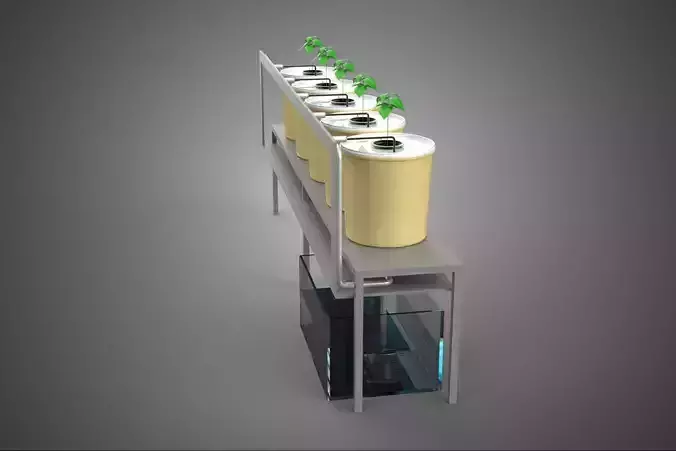
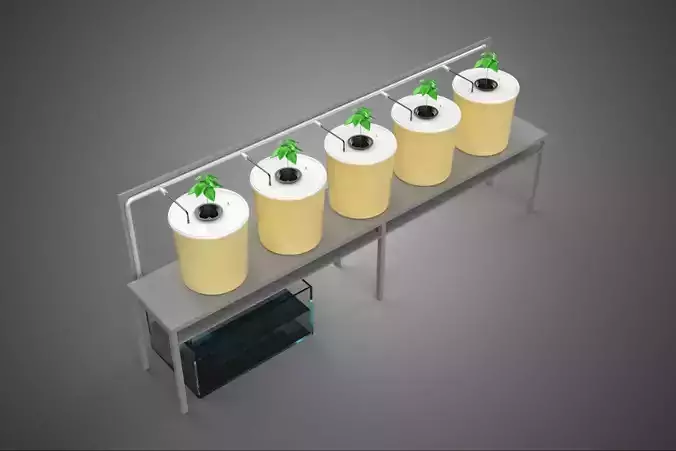
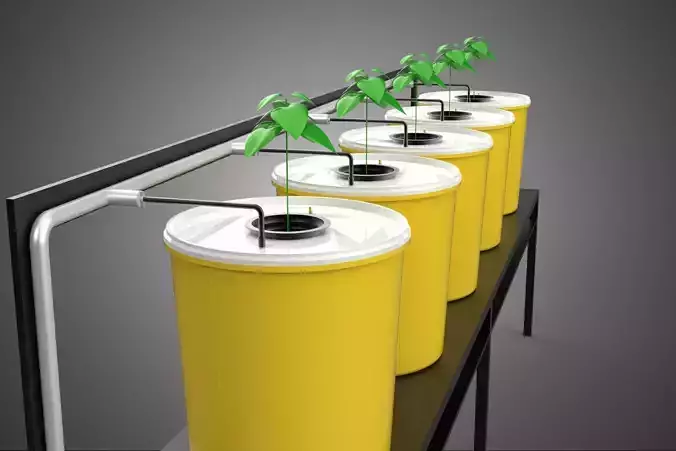
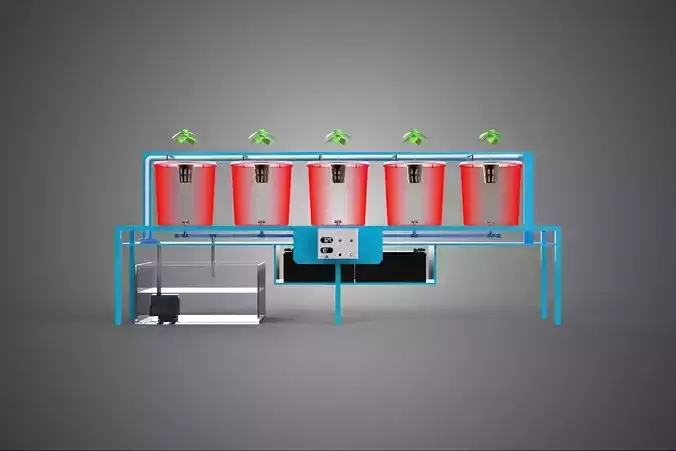
- Deep Water Culture (DWC): Plants are suspended above a reservoir of aerated nutrient solution, allowing the roots to be continuously submerged.
- Drip Systems: A common form of recirculating or non-recirculating (run-to-waste) system where nutrient solutions are delivered via emitters near the base of each plant, often used with inert media like rockwool or coco coir.
- Aeroponics: The most advanced form, where roots are suspended in air within a sealed chamber and misted with a fine spray of nutrient solution at regular intervals, maximizing root zone oxygenation and accelerating growth rates.
4. Integration into Controlled Environment Agriculture (CEA)
Hydroponics is a core component of CEA, often utilized within greenhouses or fully enclosed Vertical Farms. CEA integrates various technologies to optimize the growing environment:
- Environmental Control: Precise regulation of temperature, humidity, and carbon dioxide (CO2) supplementation to maximize photosynthetic efficiency.
- Artificial Lighting: Use of specialized LED grow lights allows for tailored light spectra specific to the crop's developmental stage, replacing or supplementing natural sunlight, making year-round production feasible.
- Water Efficiency: Recirculating hydroponic systems (closed-loop) can reduce water consumption by up to 90% compared to conventional field irrigation, a critical advantage in arid regions.
5. Significance and Future Direction
The confluence of traditional horticultural knowledge and advanced hydroponic technology addresses critical modern agricultural challenges, including land scarcity, climate instability, and the need for reduced reliance on chemical pesticides. Hydroponic systems facilitate higher yields per square meter (especially in vertical configurations), allow for localized food production closer to urban centers, and ensure consistent, predictable harvests, thereby contributing significantly to future food security models and sustainable urban agriculture.
KEYWORDS: Cultivation, Hydroponics, Horticulture, Soilless culture, Controlled environment agriculture, CEA, Farming, Gardening, Fruits, Vegetables, Plant science, Crop yield, Nutrient solution, Nutrient Film Technique, NFT, Deep Water Culture, DWC, Aeroponics, Sustainable agriculture, Food security, Vertical farming, Protected cropping, Crop rotation, Irrigation, Fertigation, Monoculture, Resource efficiency, Botany, Edible plants, Greenhouse technology.