High-quality 3D assets at affordable prices — trusted by designers, engineers, and creators worldwide. Made with care to be versatile, accessible, and ready for your pipeline.
Included File Formats
This model is provided in 14 widely supported formats, ensuring maximum compatibility:
• - FBX (.fbx) – Standard format for most 3D software and pipelines
• - OBJ + MTL (.obj, .mtl) – Wavefront format, widely used and compatible
• - STL (.stl) – Exported mesh geometry; may be suitable for 3D printing with adjustments
• - STEP (.step, .stp) – CAD format using NURBS surfaces
• - IGES (.iges, .igs) – Common format for CAD/CAM and engineering workflows (NURBS)
• - SAT (.sat) – ACIS solid model format (NURBS)
• - DAE (.dae) – Collada format for 3D applications and animations
• - glTF (.glb) – Modern, lightweight format for web, AR, and real-time engines
• - 3DS (.3ds) – Legacy format with broad software support
• - 3ds Max (.max) – Provided for 3ds Max users
• - Blender (.blend) – Provided for Blender users
• - SketchUp (.skp) – Compatible with all SketchUp versions
• - AutoCAD (.dwg) – Suitable for technical and architectural workflows
• - Rhino (.3dm) – Provided for Rhino users
Model Info
• - All files are checked and tested for integrity and correct content
• - Geometry uses real-world scale; model resolution varies depending on the product (high or low poly)
• • - Scene setup and mesh structure may vary depending on model complexity
• - Rendered using Luxion KeyShot
• - Affordable price with professional detailing
Buy with confidence. Quality and compatibility guaranteed.
If you have any questions about the file formats, feel free to send us a message — we're happy to assist you!
Sincerely,
SURF3D
Trusted source for professional and affordable 3D models.
More Information About 3D Model :
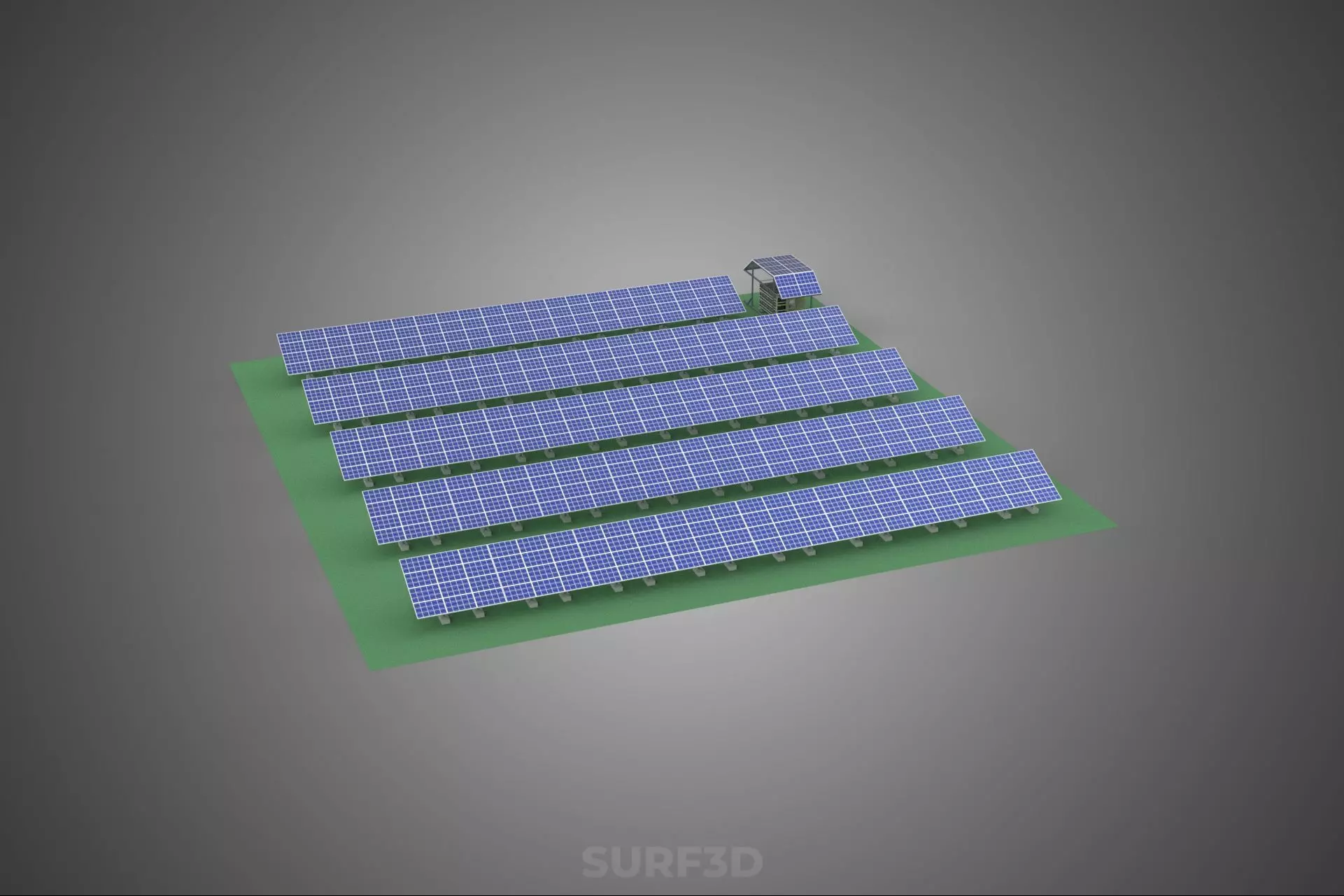
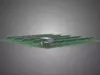
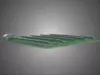
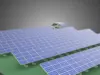
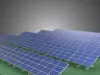
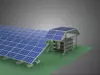
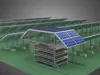
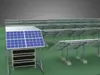
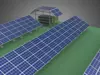
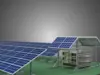
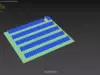
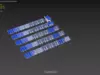
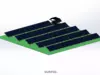
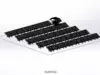
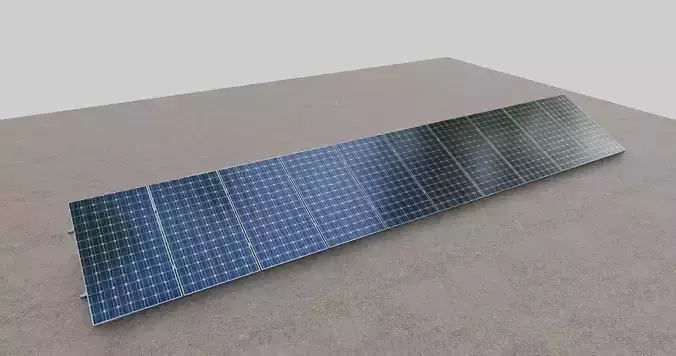
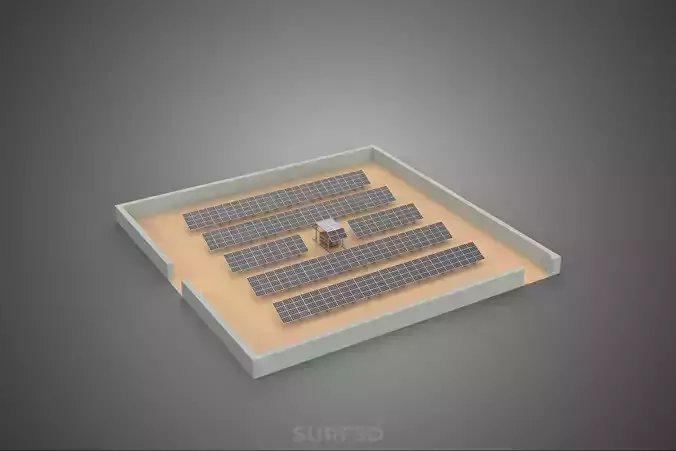
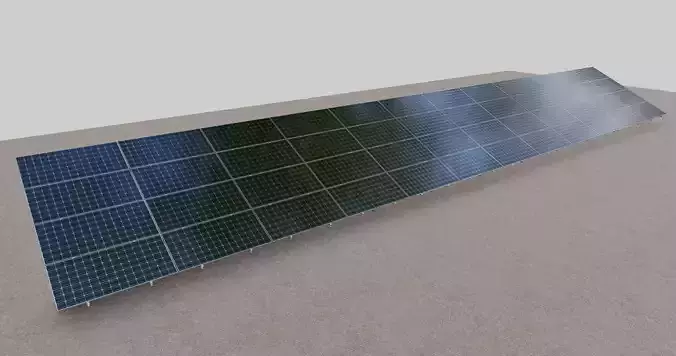
The title SOLAR PANEL POWER STATION PLANT GENERATION ARRAY ROW FIELD FARM aggregates several terms describing a large-scale facility dedicated to converting solar energy into electricity. More formally, such an installation is known as a Photovoltaic (PV) Power Station, Solar Power Plant, or commonly, a Solar Farm or Solar Park. These utility-scale facilities are designed for the extensive generation of electrical power, typically supplied to an electricity transmission or distribution grid.
Fundamentally, a solar power station is a complex system comprising numerous interconnected components:
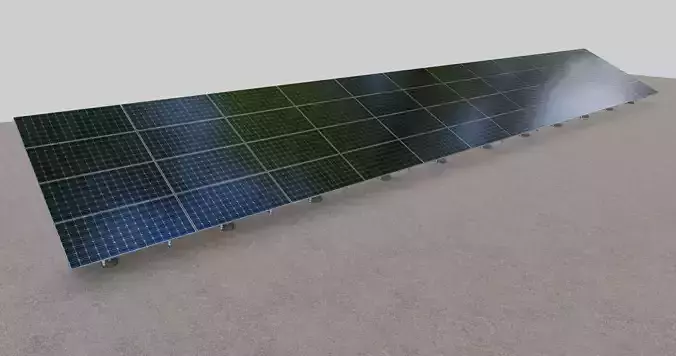
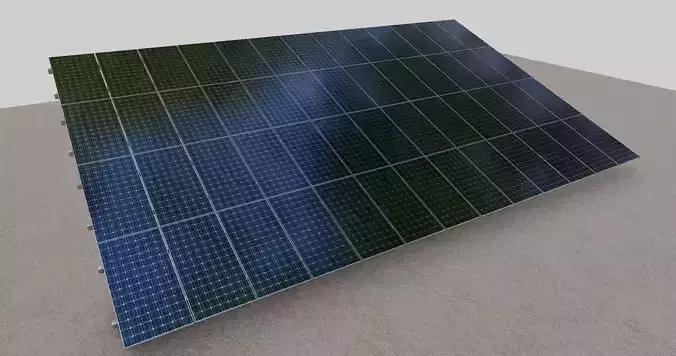
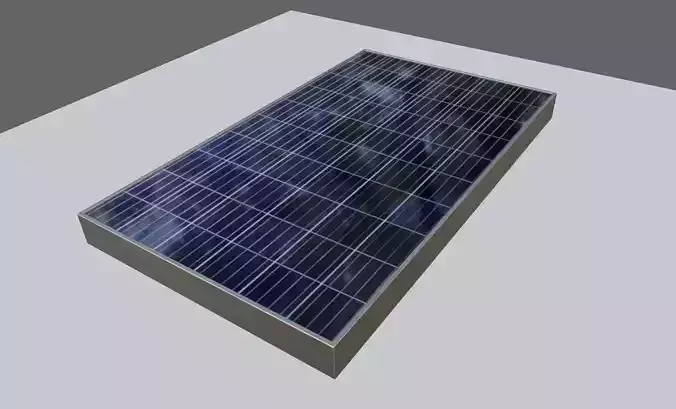
- Photovoltaic (PV) Modules/Panels: These are the primary energy conversion units. Each module consists of multiple solar cells that leverage the photovoltaic effect to convert sunlight (photons) directly into direct current (DC) electricity. Modules are grouped into larger physical and electrical units known as arrays.
- Mounting Structures: These frameworks provide the physical support for the PV modules, typically constructed from robust materials like steel or aluminum. They can be configured as fixed-tilt systems, where panels are oriented at an optimal, permanent angle for local solar insolation, or as tracking systems (single-axis or dual-axis), which dynamically adjust the panel orientation to follow the sun's path throughout the day, maximizing energy capture. Panels are often arranged in linear rows to optimize spacing and access.
- Inverters: As PV modules produce DC electricity, inverters are crucial devices that convert this DC power into alternating current (AC) electricity, which is the standard form required by electricity grids and most consumers. Central inverters manage large blocks of power, while string inverters convert power from smaller groups of panels or arrays.
- Transformers: The AC electricity from the inverters is typically at a relatively low voltage. Transformers step up this voltage to higher levels suitable for efficient transmission over longer distances and connection to the high-voltage grid infrastructure.
- Electrical Balance of System (BOS): This encompasses all auxiliary electrical components, including extensive cabling, combiner boxes, junction boxes, switchgear, surge protectors, and circuit breakers, essential for safely collecting, transmitting, and controlling the electricity within the plant.
- Grid Interconnection Equipment: This includes the high-voltage transmission lines, substations, switchyards, and sophisticated control systems that establish the vital link between the solar power station and the regional or national electricity grid, enabling the generated power to be dispatched to end-users.
- Monitoring and Control Systems: Advanced supervisory control and data acquisition (SCADA) systems continuously monitor the performance of individual modules, arrays, inverters, and the entire plant. They collect real-time data on power output, solar irradiance, temperature, and equipment status, facilitating remote operation, fault detection, predictive maintenance, and overall system optimization.
- Land Area (Field or Farm): Due to the diffuse nature of solar energy, utility-scale solar power stations require significant land areas to accommodate the vast number of PV modules and associated infrastructure. Site selection is critical, considering factors such as solar resource availability, topography, grid proximity, and minimal environmental impact. The term field or farm colloquially refers to this expansive land occupied by the generating arrays.
Operational Principles and Scale:
The operational principle involves the passive capture of sunlight by PV modules, converting it to DC current. This current is then actively converted to AC by inverters, stepped up in voltage by transformers, and injected into the electricity grid. These installations are characterized by their considerable scale, with generating capacities typically ranging from several megawatts (MW) to hundreds of megawatts, and increasingly, gigawatts (GW). Their output is inherently intermittent, dependent on solar irradiance, requiring sophisticated grid integration strategies, often including energy storage solutions, for stable and consistent power supply.
These facilities represent a cornerstone of modern renewable energy infrastructure, playing a pivotal role in global decarbonization efforts, enhancing energy security, and reducing greenhouse gas emissions.
KEYWORDS: Photovoltaic (PV), Solar Power Plant, Solar Farm, Utility-Scale Solar, Electricity Generation, Renewable Energy, Solar Panel, PV Module, Inverter, Transformer, Grid Interconnection, Direct Current (DC), Alternating Current (AC), Mounting Structure, Solar Tracker, Fixed-Tilt Array, Energy Conversion, Solar Radiation, Megawatt (MW), Gigawatt (GW), Electrical Grid, Balance of System (BOS), Monitoring System, Substation, Transmission Line, Decarbonization, Clean Energy, Land Use, Solar Irradiance, Renewable Energy Infrastructure