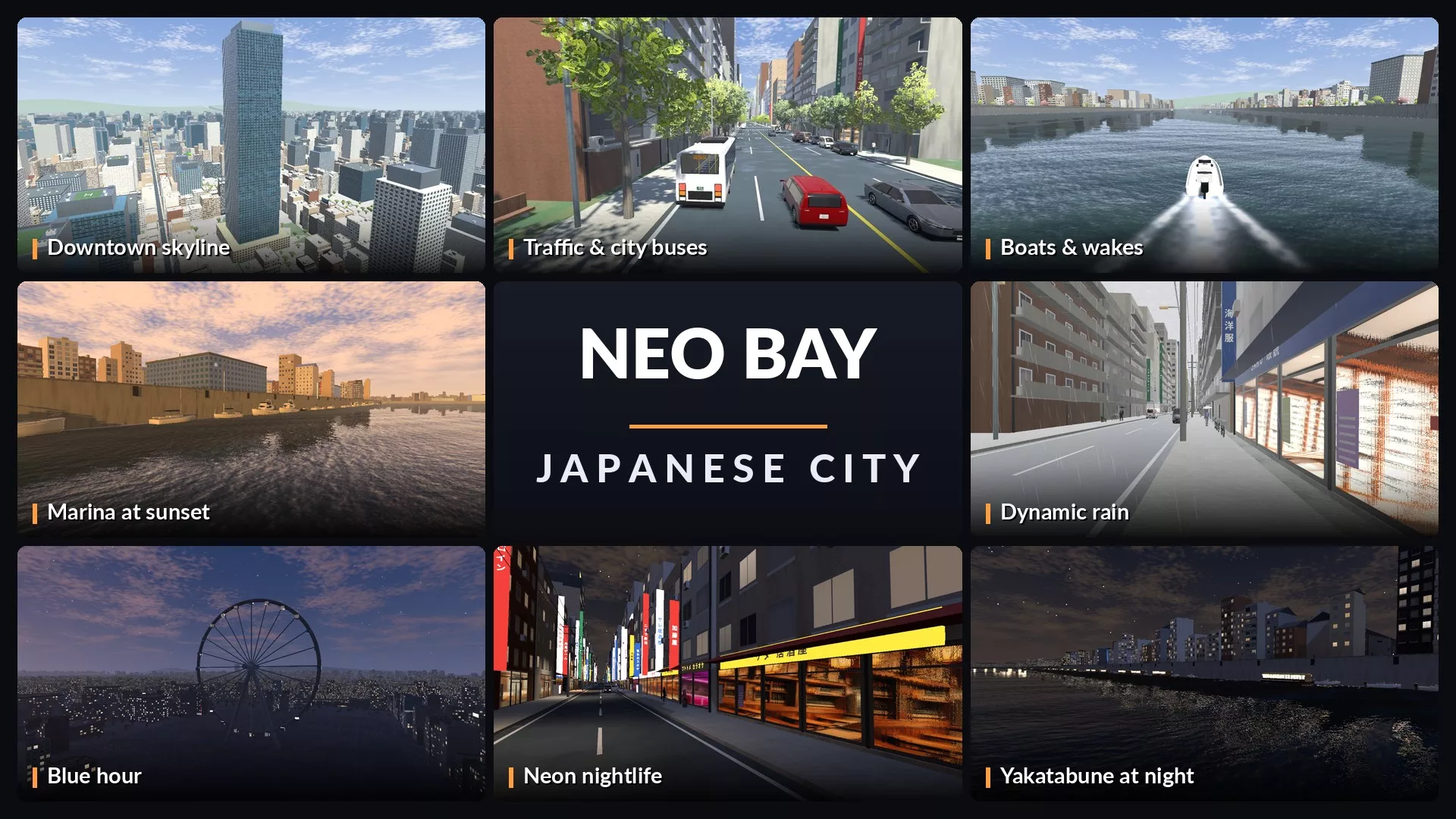
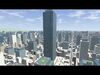
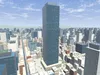
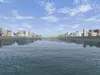
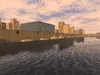
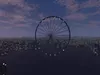
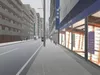
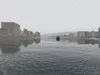
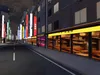
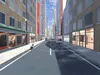
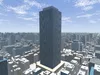
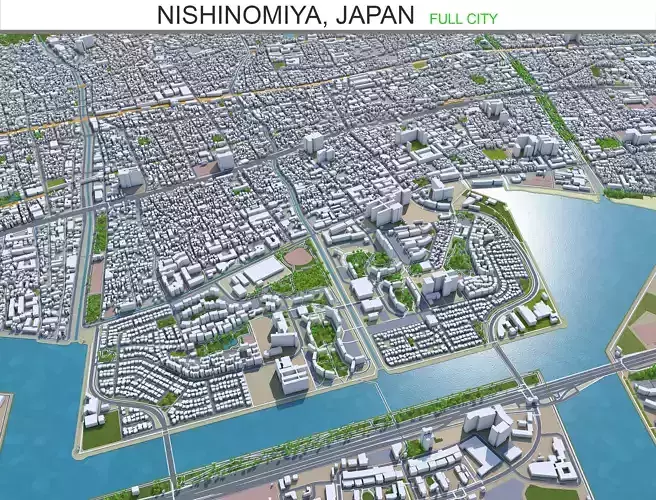
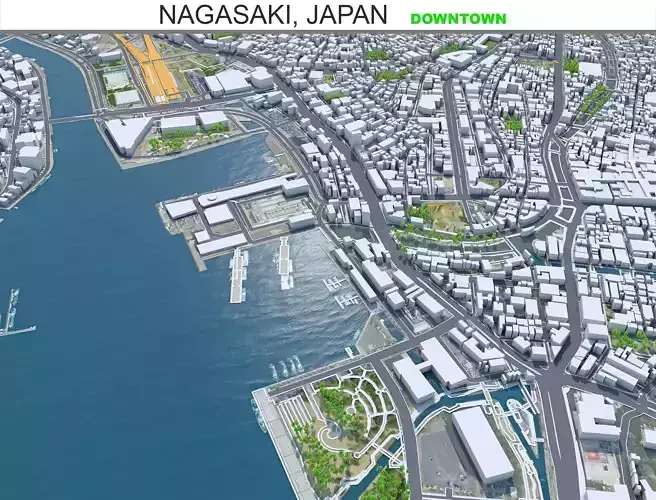
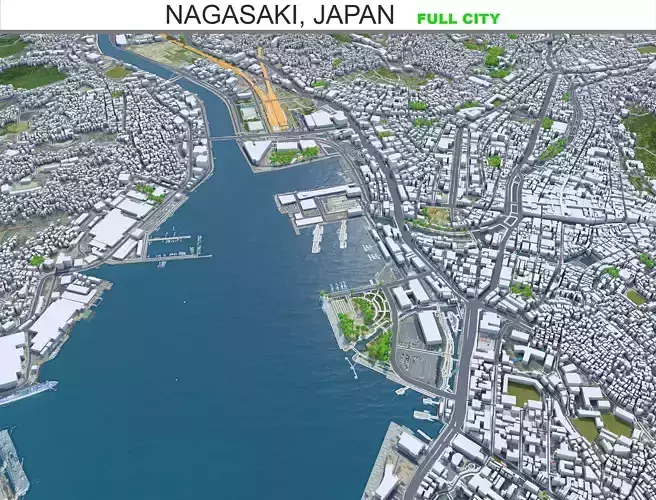
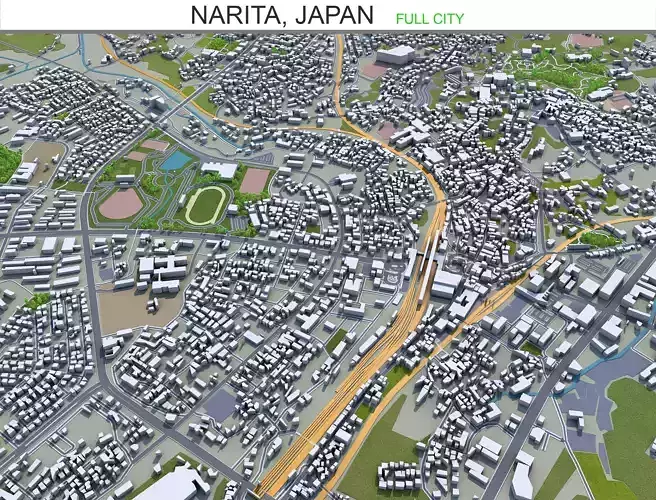
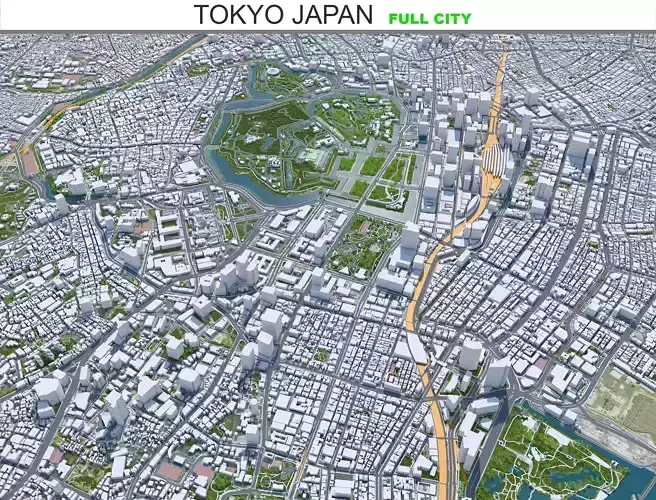
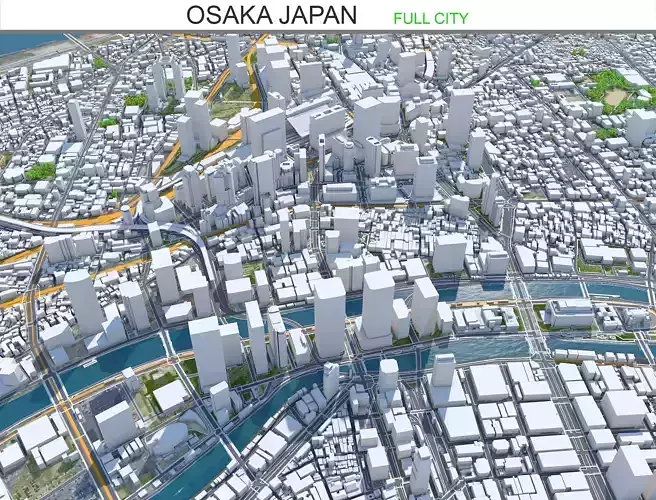
Neo Bay — Japanese City is a complete, explorable Japanese-style metropolis: a bay city of about 20 × 20 km with downtown towers, residential districts, narrow alleys, canals, the Kosei river, a marina and a port. Version 2 adds six furnished, interactive shop interiors. One purchase includes the city in five formats: Unity 6 (URP) with the living city, and the static city for Unreal Engine 5.8, Blender, FBX and glTF/GLB.
NEW IN VERSION 2: SIX INTERACTIVE INTERIORS
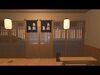
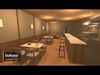
- A konbini, a café, a bar, an izakaya, a pharmacy and a karaoke room, furnished with 57 pieces of furniture and products modelled in code: fridges, stocked shelves, counters, an espresso machine, a beer tap, tables and chairs, a restroom and a karaoke screen (about 880,000 triangles).
- Unity: street and fridge doors open as the camera approaches, and six demo scenes play a camera walk-through of each interior (fridges opening, an espresso being poured, a beer being drawn, sitting down at a table, the restroom, the karaoke screen and out of the door to the street).
- FBX, glTF/GLB and Blender: the six interiors as static models (NeoBay_Interiors_fbx.zip, NeoBay_Interiors_glb.zip, NeoBay_Interiors_blend.zip).
KEY FEATURES
- 14 districts, 1,600 city sectors and about 440,000 buildings with facades and roofs, shop windows with merchandise, shop signs and advertising.
- Detailed streets: vending machines, utility poles, street lamps, traffic lights, bus stops, bollards, bicycles, planters and street trees (ginkgo, zelkova, camphor and sakura).
- Real-world scale and PBR materials; every sector keeps its world position, so the districts fit together.
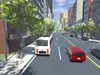
- Unity version: living traffic (cars, vans, trucks, taxis and motorbikes that follow lanes and stop at traffic lights; city buses that serve 549 bus stops), 92 unique people and 19 vehicle and boat models, living water with 708 moored boats, dynamic rain and six lighting profiles (morning, midday, afternoon, blue hour, night and overcast).
FILES AND FORMATS
- Unity 6 (URP 17), native format: neo-bay-japanese-city-1.1.0.unitypackage (2.7 GB). The full living city and the six interiors with their demo scenes, streamed by sector around the camera, with LODs for every building, a merged far city, collision data for every sector and a demo scene to fly and walk around.
- Unreal Engine 5.8: the city already imported as Unreal assets (static meshes, materials and textures), one folder per district and sector. 44 ZIP files (71 GB): unzip all of them into the same folder and open NeoBay.uproject.
- FBX (binary): one .fbx per sector with its textures next to it (normal maps in DirectX convention), for 3ds Max, Maya, Cinema 4D, Houdini and Unreal. 17 ZIP files (18 GB), one per district (Canal Quarter in four parts).
- glTF 2.0 / GLB: one .glb per sector in one folder per district, with the PBR textures (base color, normal, ORM) shared once in a textures folder, for Three.js, Babylon.js, Godot and other real-time engines. Repeated props use GPU instancing (EXT_mesh_gpu_instancing). One ZIP file (2.3 GB).
- Blender (.blend): one file per district (Higashi Ward in two parts and Canal Quarter in four) with packed textures, a physical sky, a sun and a camera, ready to render with Cycles or Eevee. Repeated props (trees, bicycles, air conditioners, balconies) are Geometry Nodes instances, so even the largest district opens and renders fast. 18 ZIP files (4.5 GB).
The Unreal, Blender, FBX and glTF formats contain the static city (geometry, materials and textures). Traffic, pedestrians, boats, rain, water reflections and the lighting profiles are Unity features and come only with the Unity format.
COMPATIBILITYUnity 6 (6000.x) with the Universal Render Pipeline (URP 17) · Unreal Engine 5.8 · Blender 4.0 or later (the interiors .blend files: Blender 5.2 or later) · any software that opens FBX or glTF 2.0.
TECHNICAL INFO
- Size: about 20 × 20 km, 14 districts, 1,600 sectors of 500 × 500 m.
- Polygons: about 121 million for the whole city.
- Units: meters, real-world scale.
- Performance (Unity): around 30 fps at street level on an Intel Iris Xe laptop GPU in our WebGL build (quality level 1, with street life).
- Unity: people are static meshes; vehicles and boats are rigid meshes moved by script (no skeletal animation).
IMPORT NOTES (UNITY)A 2.7 GB download. The first import takes about an hour and needs a lot of memory, because Unity keeps the city's meshes in memory until it finishes: 32 GB of RAM is recommended (with 16 GB the import may run out of memory). It needs about 50 GB of free disk while importing; the imported city takes about 25 GB.
AI DISCLOSUREThe 92 people models were created with generative AI (reference images with FLUX.1 [schnell], 3D meshes with Microsoft TRELLIS.2) and then cleaned, given LODs and re-baked with our own tools. Shop-window products, posters and ads were also generated with AI. The city itself, the vehicles and the boats are generated procedurally by our own code.