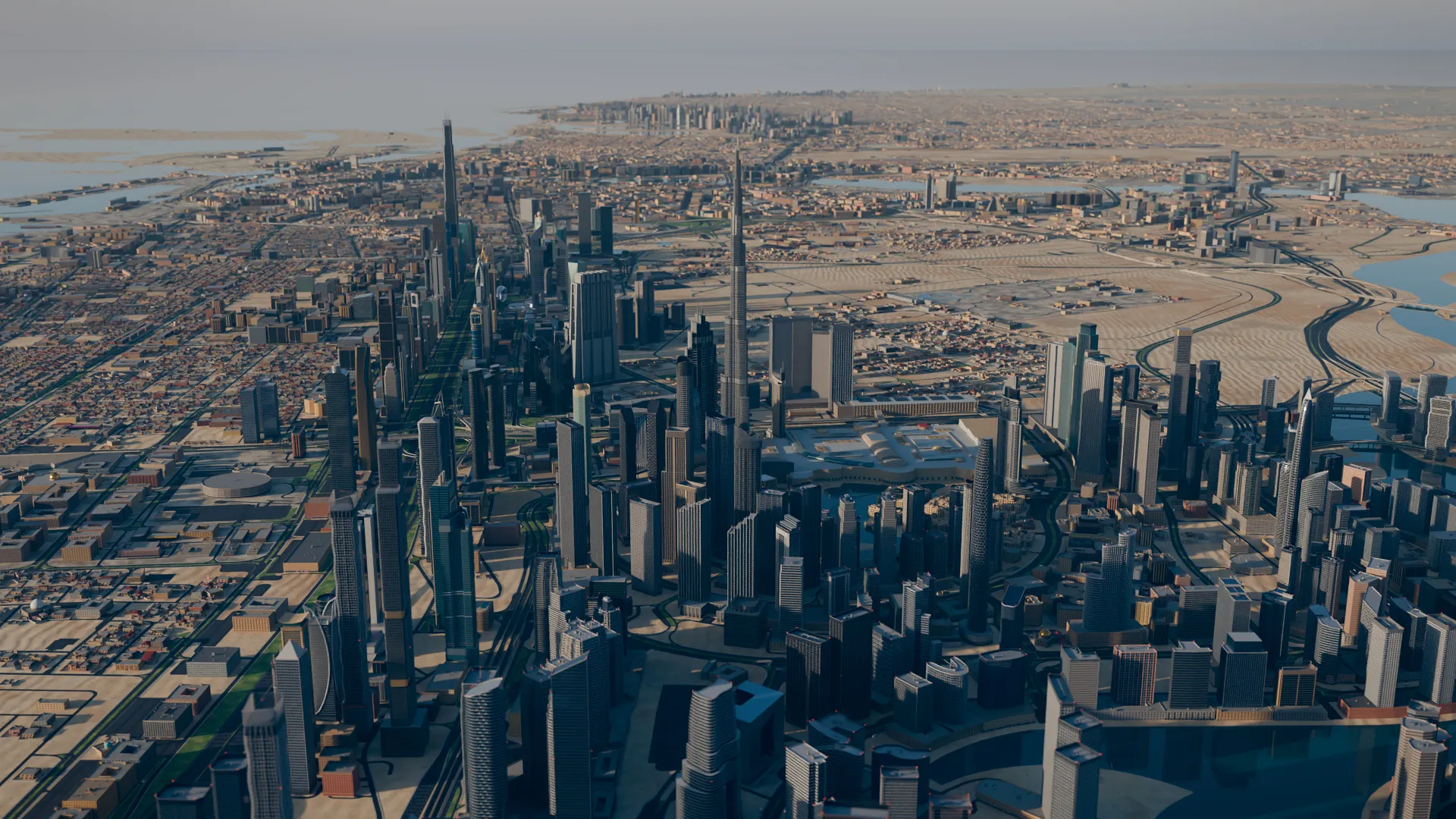
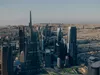
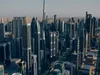
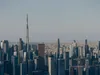
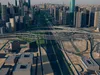
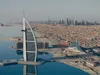
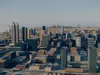
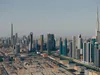
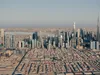
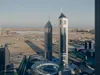
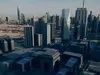
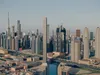
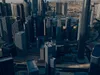
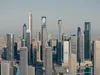
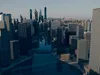
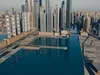
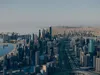
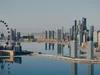
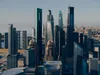
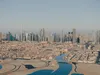
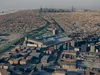
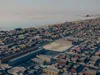
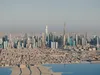
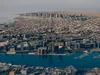
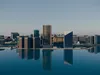
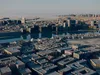
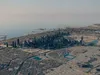
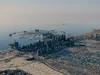
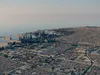
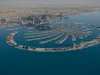
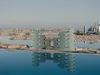
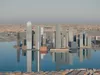
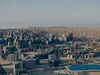
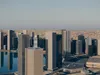
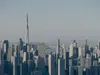
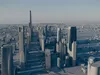
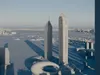
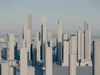
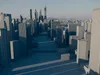
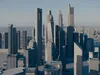
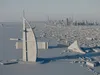
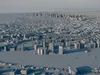
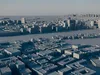
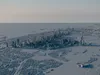
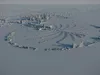
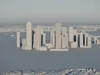
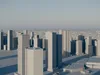
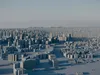
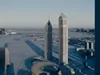
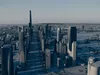
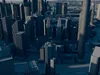
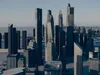
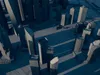
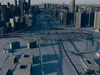
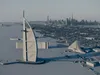
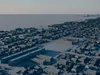
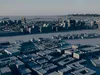
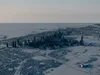
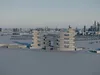
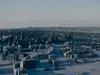
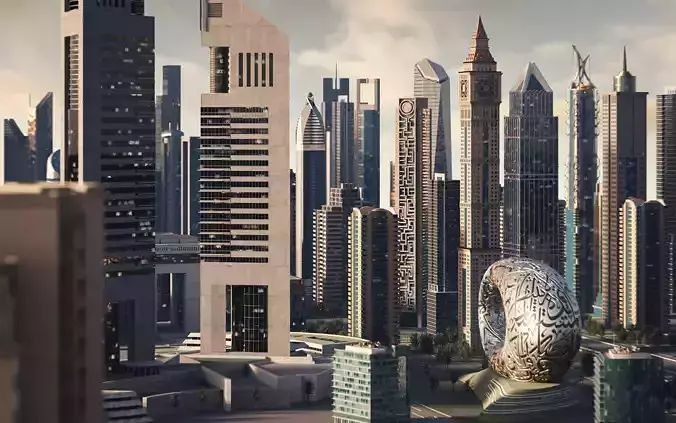
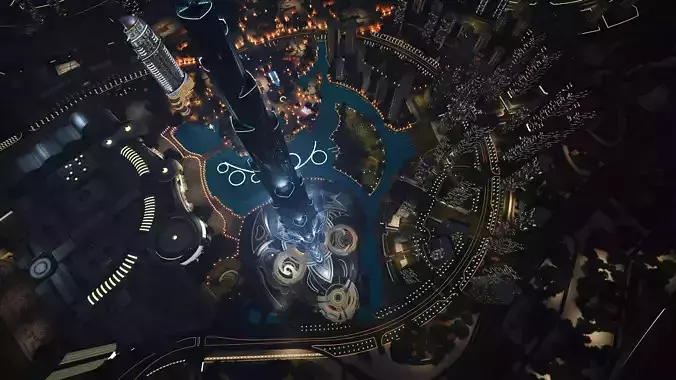
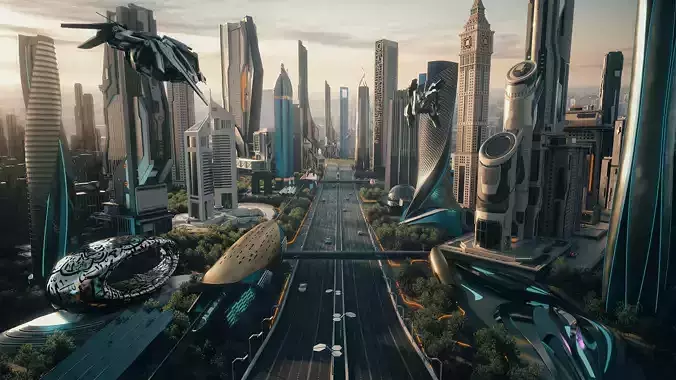
This is Dubai in 2026, modelled at true scale and true position, from Jebel Ali to Deira and Sharjah's Al Nahda. Towers still under construction are shown in their final design. It is built for architectural visualisation, film and advertising, urban studies, simulation and game environments.
WHAT MAKES IT DIFFERENT
• Real geography, not a generic city. About 2,800 km² of built-up area in 1 km tiles, placed in UTM zone 40N (EPSG:32640).
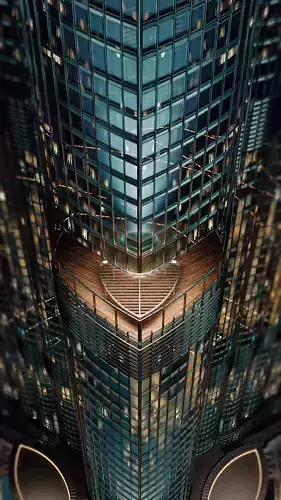
• 1,573 towers modelled one by one from published heights, floor counts and photographs. They were checked against street-level imagery from the same camera position and corrected: shape first, then height.
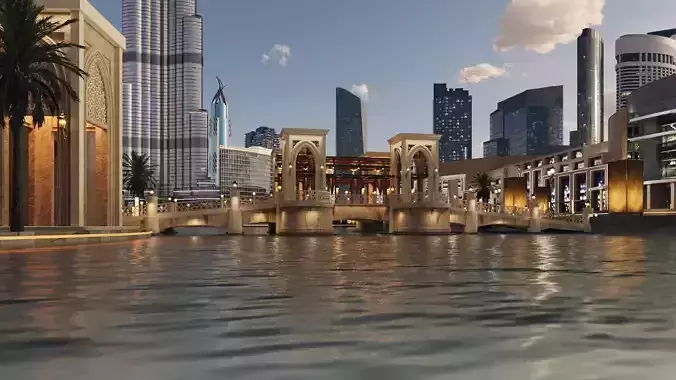
• 93 landmarks: Burj Khalifa, Burj Al Arab, Museum of the Future, Ain Dubai, Dubai Frame, Atlantis The Palm, Atlantis The Royal, Emirates Towers, Cayan Tower, Princess Tower, Dubai Mall, Dubai Opera, Souk Al Bahar and more.
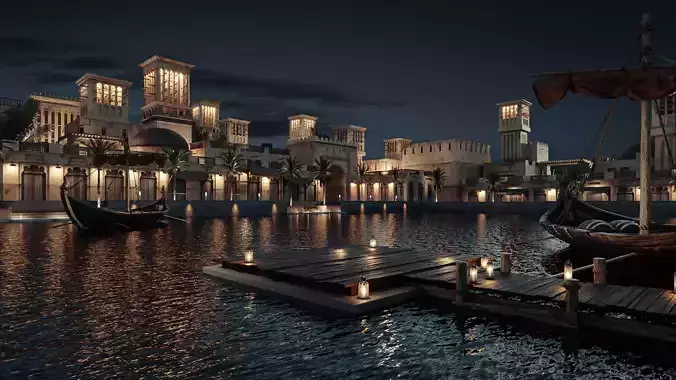
• 358,000+ further buildings on their real footprints, with heights and facades by building type. The heritage quarters of Al Fahidi, Al Seef and Al Shindagha have their own buildings and wall colours.
• A complete road network: 15,000 km of road centrelines rebuilt as clean road surfaces with real widths, lane markings, kerbs, medians, sidewalks and parking. More than 800 bridges, flyovers and ramps, including multi-level interchanges.
• Dubai Metro Red Line: 20 stations, the viaduct, its supports and the track.
• Street life: about 480,000 street lights, 149,000 palms and trees, traffic signals, bus shelters and benches (1.1 million instances).
• Desert and sea: procedural desert sand with dunes, gravel plains, scrub and wind ripples on every desert surface, without seams between tiles.
READY TO RENDER
• 7 Blender files: the full city, a city overview, and five districts (Downtown and Business Bay, Dubai Marina and JBR, Jumeirah and Burj Al Arab, Deira, the Bur Dubai heritage area). Each district keeps the rest of the skyline around it as light context.
• 5 lighting presets, each its own scene: Cinematic (low sun, long shadows), Day, Day Haze, Golden Hour and Blue Hour (lit windows and street lights).
• 21 ready-made cameras over the main landmarks.
• A cinematic grade in Blender's compositor: atmospheric haze, soft bloom and vignette.
• All preview images were rendered in Blender Cycles from the included cameras and presets.
TECHNICAL DETAILS
Format: Blender 5.2 (.blend), native; FBX, 3ds Max and glTF/GLB copies are separate products (see Other formats)
Files: 7 scene files that link the tile files (1 km x 1 km) and the asset libraries; relative paths, so the folder can be moved
Download: 2 zip parts (Dubai_City_BLEND_part1of2 and part2of2); unzip both into the same folder
Extent: about 71 km x 67 km; 2,824 tiles with buildings or roads
Scale and units: real world, metres, Z up, ground at 0 m
Georeference: UTM zone 40N (EPSG:32640); origin at Burj Khalifa (55.27439 E, 25.19720 N); easting = x + 326131.28, northing = y + 2787898.62
Buildings: 358,209 from footprints (29.5 M faces, plus 17.8 M faces of facade detail)
Towers and landmarks: 1,573 individually modelled towers, 93 landmarks, 51 infrastructure assets (58.7 M faces)
Roads: 15,000 km of centrelines; 181 sq km asphalt, 43 sq km sidewalks, 34 sq km parking; 41.8 M triangles with markings and structures
Street furniture: about 630,000 items (street lights, palms, trees, signals, shelters, benches), 1.1 million instances
Lighting: 5 presets as scenes; Cycles; cinematic compositor grade
Cameras: 21
Materials: procedural, plus photo textures; all included
Data checks: no missing textures or libraries, no hidden or unused data in the scene files