High-quality 3D assets at affordable prices — trusted by designers, engineers, and creators worldwide. Made with care to be versatile, accessible, and ready for your pipeline.
Included File Formats
This model is provided in 14 widely supported formats, ensuring maximum compatibility:
• - FBX (.fbx) – Standard format for most 3D software and pipelines
• - OBJ + MTL (.obj, .mtl) – Wavefront format, widely used and compatible
• - STL (.stl) – Exported mesh geometry; may be suitable for 3D printing with adjustments
• - STEP (.step, .stp) – CAD format using NURBS surfaces
• - IGES (.iges, .igs) – Common format for CAD/CAM and engineering workflows (NURBS)
• - SAT (.sat) – ACIS solid model format (NURBS)
• - DAE (.dae) – Collada format for 3D applications and animations
• - glTF (.glb) – Modern, lightweight format for web, AR, and real-time engines
• - 3DS (.3ds) – Legacy format with broad software support
• - 3ds Max (.max) – Provided for 3ds Max users
• - Blender (.blend) – Provided for Blender users
• - SketchUp (.skp) – Compatible with all SketchUp versions
• - AutoCAD (.dwg) – Suitable for technical and architectural workflows
• - Rhino (.3dm) – Provided for Rhino users
Model Info
• - All files are checked and tested for integrity and correct content
• - Geometry uses real-world scale; model resolution varies depending on the product (high or low poly)
• • - Scene setup and mesh structure may vary depending on model complexity
• - Rendered using Luxion KeyShot
• - Affordable price with professional detailing
Buy with confidence. Quality and compatibility guaranteed.
If you have any questions about the file formats, feel free to send us a message — we're happy to assist you!
Sincerely,
SURF3D
Trusted source for professional and affordable 3D models.
More Information About 3D Model :
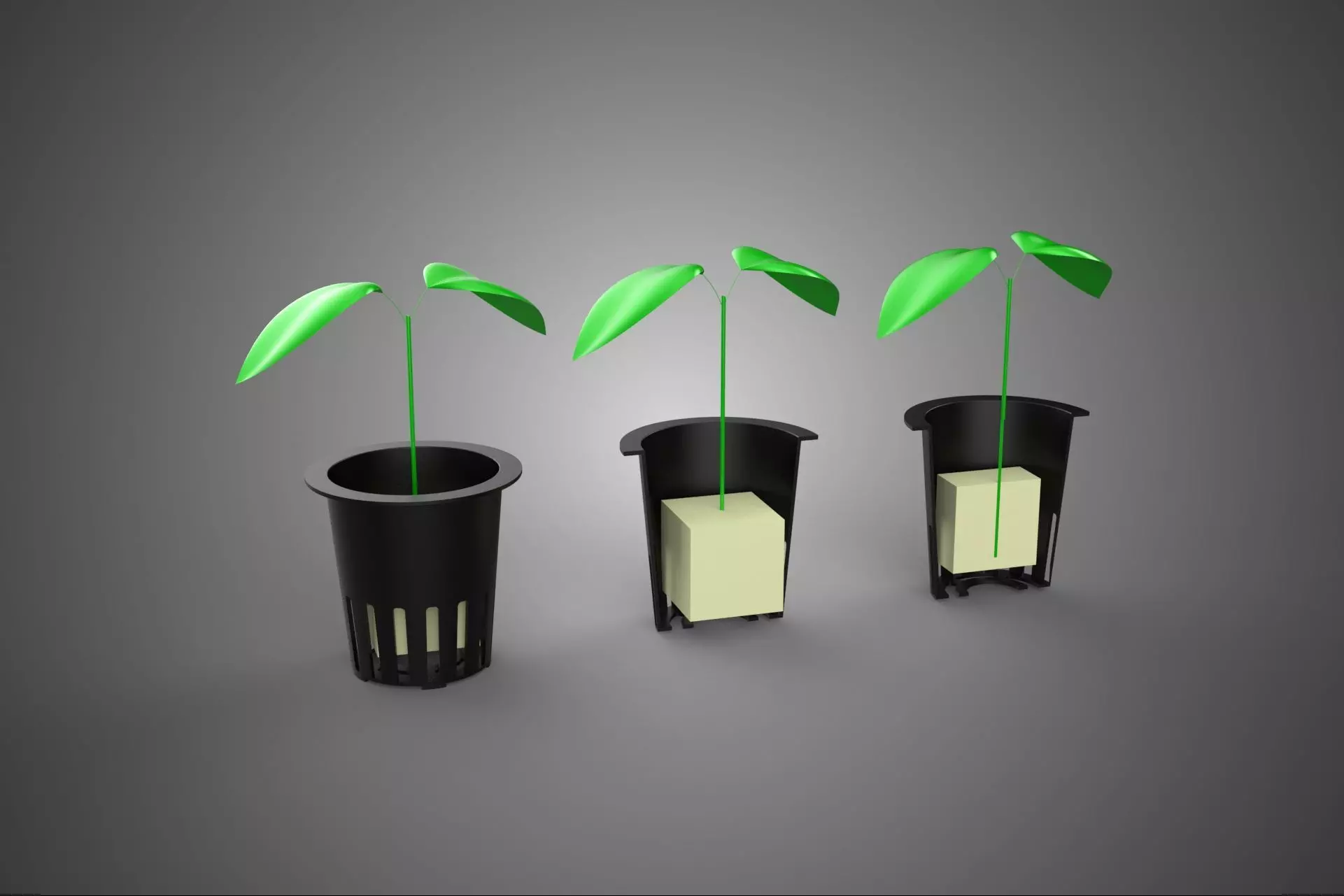
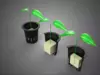
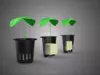
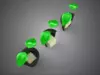
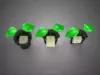
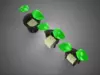
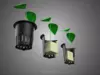
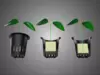
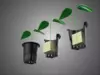
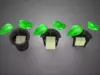
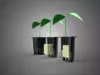
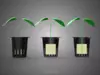
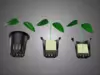
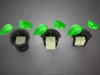
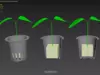
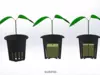
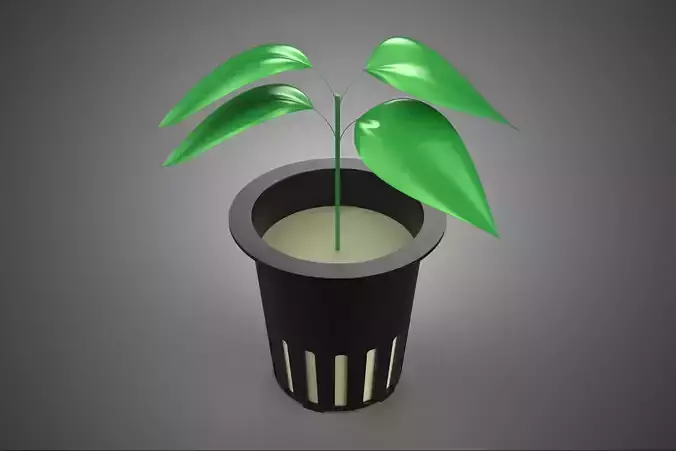
The Standard Cube Sponge Rock Wool Foam Plug Medium in Plant Net Pot refers to a standardized composite assembly widely utilized in Controlled Environment Agriculture (CEA), particularly within soilless cultivation systems such as hydroponics and aeroponics. This assembly is engineered specifically for the highly efficient germination of seeds and the clonal propagation of cuttings, facilitating a seamless transition of young plants into larger hydroponic reservoirs or growing channels.
I. Components and Structure
This system comprises two primary, distinct yet complementary, structural elements: the growing medium (the plug/cube) and the external container (the net pot).
A. The Growing Medium (Plug/Cube)
The medium, often standardized in a cubic or cylindrical geometry for maximizing tray density and system modularity, serves as the initial anchor and water reservoir for the developing seedling.
- Rock Wool (Stone Wool): The prevailing standard medium in this category is rock wool (also known as stone wool). This material is synthesized by melting basaltic rock and/or diatomaceous earth at high temperatures (approximately 1,600 °C) and subsequently spinning the molten material into fine, inert fibers. Rock wool exhibits high porosity (often exceeding 95%), which ensures superior root zone aeration and prevents anaerobic conditions, while simultaneously offering substantial water retention capacity. Critically, rock wool is biologically inert, stable, and minimizes the risk of pathogen introduction. Standard cubes typically feature a pre-drilled depression (dibble hole) for precise seed placement.
- Sponge/Foam Plugs (Alternatives): While rock wool is dominant, alternative synthetic media are included under the nomenclature of sponge or foam plugs. These substitutes are generally composed of materials such as phenolic foam or specialized polyurethane foams. These media mimic the high porosity and stability of rock wool but may offer different chemical stabilities or degradation rates.
#### B. The Plant Net Pot
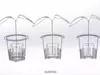
The net pot is a structurally rigid, often reusable, container designed to securely house the growing medium and the developing root system.
- Material and Design: Net pots are typically manufactured from durable, UV-resistant, and chemically inert plastics, commonly polypropylene (PP) or high-density polyethylene (HDPE). The key design feature is the presence of numerous wide slots, mesh openings, or perforations along the side walls and bottom.
- Functionality: The purpose of the net pot is threefold: to provide physical support for the cube medium, to ensure adequate drainage, and crucially, to allow unrestricted growth of the plant roots directly out of the container and into the underlying nutrient solution (or mist zone, in aeroponics). The standard geometry allows the net pot to rest securely in designated openings within hydroponic lids, channels, or reservoirs.
### II. Application and Use
The system facilitates the rapid, sterile, and uniform propagation cycle essential for commercial CEA operations.
- Germination: Seeds are placed directly into the central cavity of the medium cube. The medium is saturated with an initial low-concentration nutrient solution or sterile water. The inert nature of the medium minimizes the need for rigorous sterilization procedures compared to traditional soil mixes.
- Transplantation: Once the seedling achieves a suitable size, the entire assembly (medium plug and net pot) is effortlessly transplanted into the final growing system. This characteristic modularity minimizes transplant shock, as the roots are never disturbed during the transition phase, ensuring continuous growth. The integrated net pot maintains the structural integrity of the root crown as the plant matures.
### III. Advantages
The widespread adoption of this standardized assembly is attributed to several technical advantages: high efficiency due to modularity, consistent substrate properties across batches, excellent oxygen availability to the roots, and minimization of contamination risks inherent to soil-based methods.
KEYWORDS: Rock wool, Hydroponics, Net pot, Germination plug, Soilless culture, Substrate, Propagation, Seed starter, Controlled Environment Agriculture (CEA), Stone wool, Aeroponics, Deep Water Culture (DWC), Nutrient Film Technique (NFT), Phenolic foam, Polyurethane, Basalt, Rooting cube, Modularity, Transplantation, High porosity, Water retention, Inert medium, Horticulture, Commercial cultivation, Seedling, Mesh basket, Root zone aeration, Polypropylene, Standard cube, Sterile.