High-quality 3D assets at affordable prices — trusted by designers, engineers, and creators worldwide. Made with care to be versatile, accessible, and ready for your pipeline.
Included File Formats
This model is provided in 14 widely supported formats, ensuring maximum compatibility:
• - FBX (.fbx) – Standard format for most 3D software and pipelines
• - OBJ + MTL (.obj, .mtl) – Wavefront format, widely used and compatible
• - STL (.stl) – Exported mesh geometry; may be suitable for 3D printing with adjustments
• - STEP (.step, .stp) – CAD format using NURBS surfaces
• - IGES (.iges, .igs) – Common format for CAD/CAM and engineering workflows (NURBS)
• - SAT (.sat) – ACIS solid model format (NURBS)
• - DAE (.dae) – Collada format for 3D applications and animations
• - glTF (.glb) – Modern, lightweight format for web, AR, and real-time engines
• - 3DS (.3ds) – Legacy format with broad software support
• - 3ds Max (.max) – Provided for 3ds Max users
• - Blender (.blend) – Provided for Blender users
• - SketchUp (.skp) – Compatible with all SketchUp versions
• - AutoCAD (.dwg) – Suitable for technical and architectural workflows
• - Rhino (.3dm) – Provided for Rhino users
Model Info
• - All files are checked and tested for integrity and correct content
• - Geometry uses real-world scale; model resolution varies depending on the product (high or low poly)
• • - Scene setup and mesh structure may vary depending on model complexity
• - Rendered using Luxion KeyShot
• - Affordable price with professional detailing
Buy with confidence. Quality and compatibility guaranteed.
If you have any questions about the file formats, feel free to send us a message — we're happy to assist you!
Sincerely,
SURF3D
Trusted source for professional and affordable 3D models.
More Information About 3D Model :
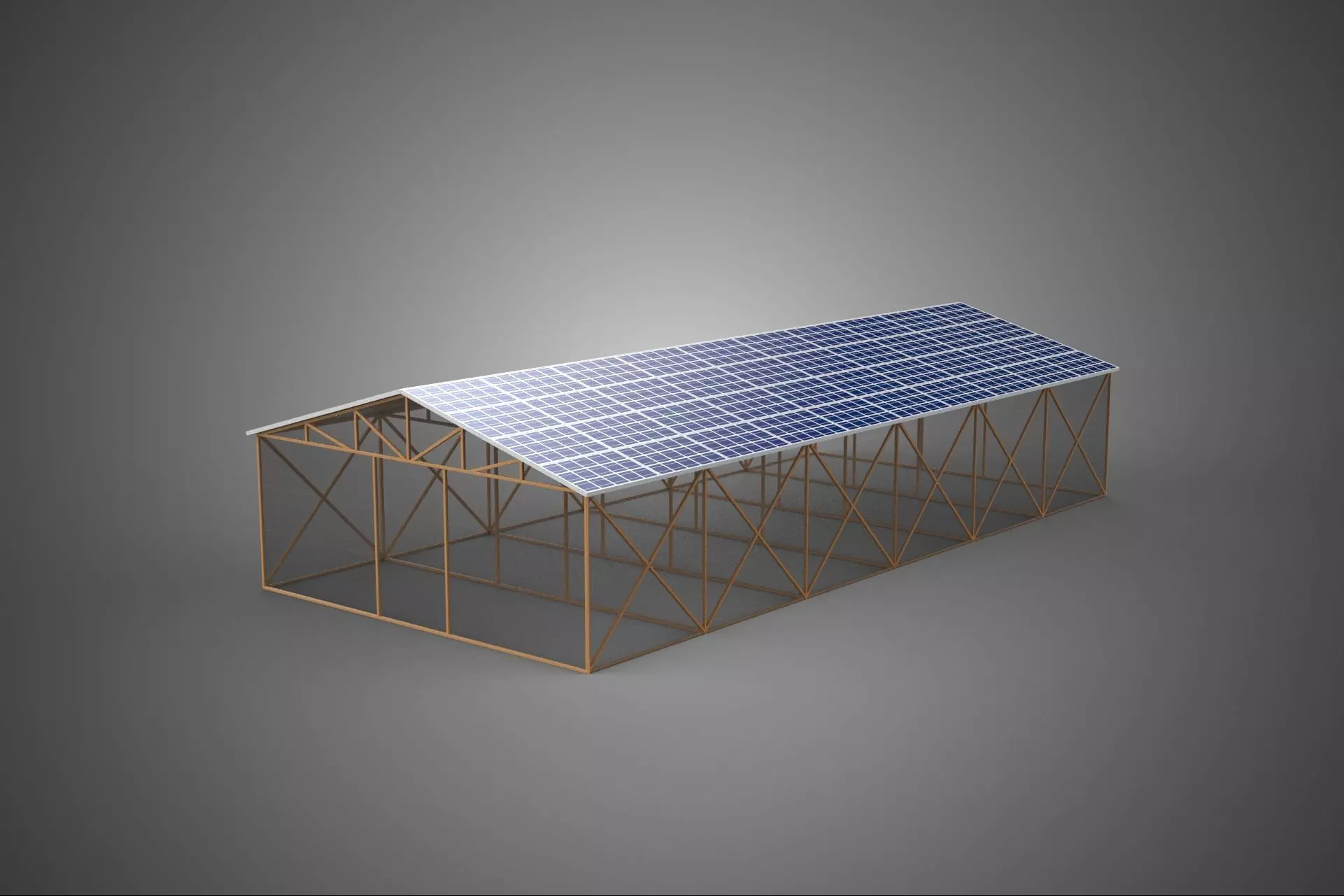
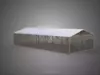
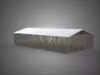
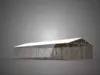
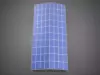
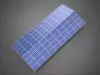
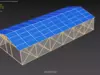
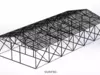
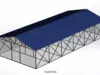
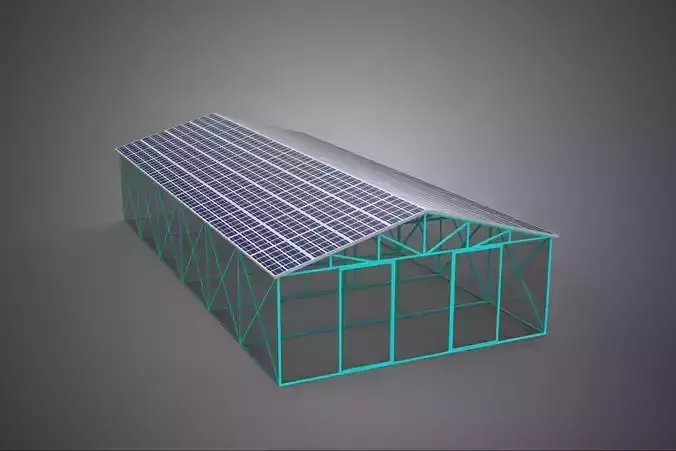
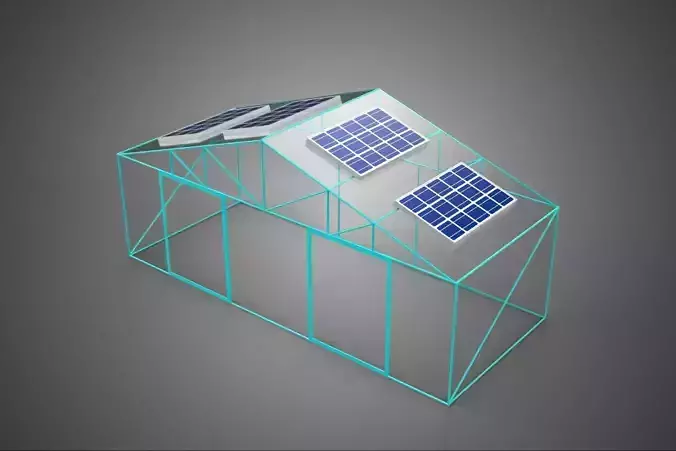
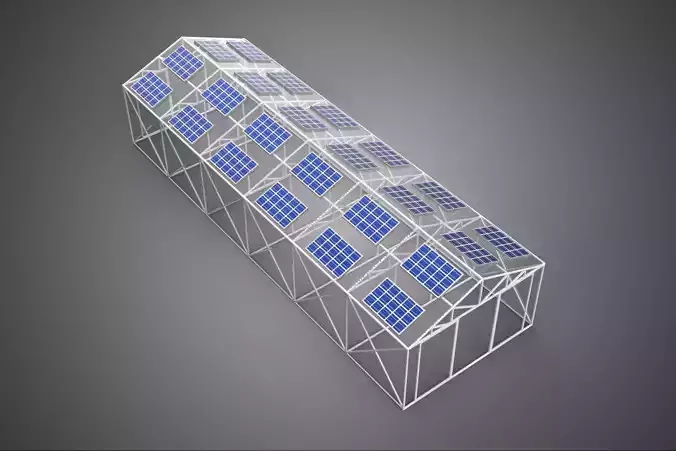
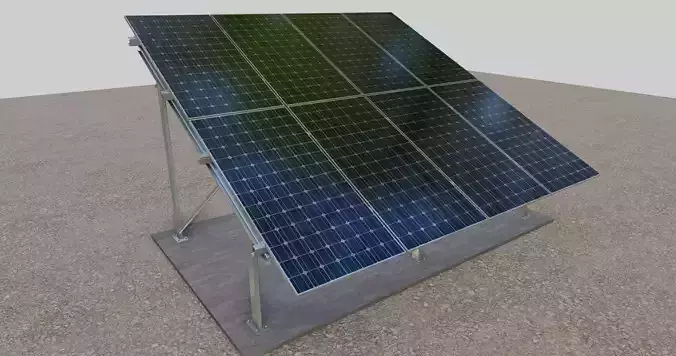
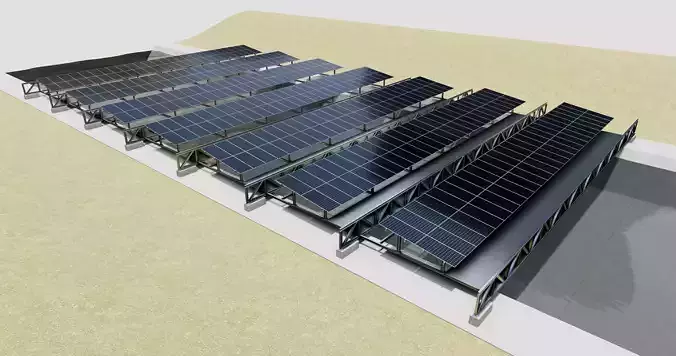
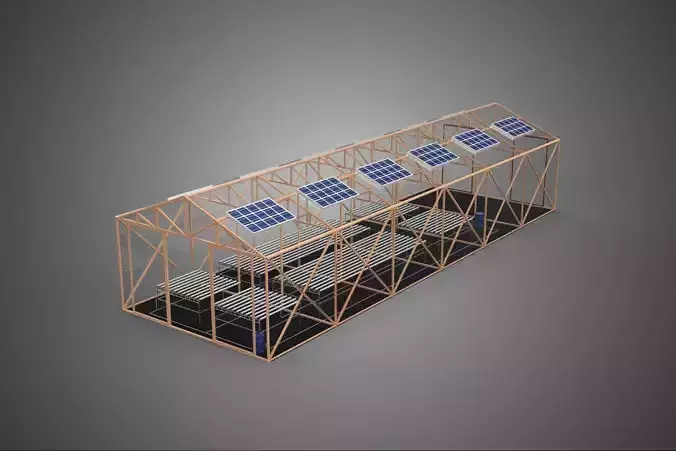
The title PHOTOVOLTAIC SOLAR PANEL TOP ROOF GREENHOUSE HOTHOUSE GLASSHOUSE refers to a specific integration of renewable energy technology with horticultural infrastructure, commonly known as a Solar Greenhouse or a Photovoltaic-Integrated Greenhouse (PV-GH). This architectural fusion involves deploying photovoltaic (PV) modules, typically made of crystalline silicon, amorphous silicon, or semi-transparent organic materials, as a primary or secondary roofing element for structures designed for controlled-environment agriculture (CEA), such as greenhouses, hothouses, or glasshouses.
Architectural and Functional Principles
The fundamental design challenge in PV-GH systems is balancing the energy generation capacity with the requisite photosynthetic active radiation (PAR) levels necessary for optimal crop growth. Traditional greenhouses maximize light transmission; conversely, opaque PV panels inherently reduce incident solar radiation. Successful PV-GH designs employ several strategies to mitigate light obstruction:
- Partial Coverage/Intermittence: PV panels are installed in rows or arrays covering only a fraction of the roof area (e.g., 20% to 50% coverage). The remaining area utilizes conventional transparent glazing (glass, polycarbonate, or film), allowing sufficient light penetration. The spacing and orientation of the panels are precisely calculated based on geographical latitude, panel efficiency, and specific crop light requirements.
- Semi-Transparent PV Modules: These modules utilize advanced materials or structural modifications to allow a portion of the solar spectrum to pass through while converting another portion into electricity. Examples include thin-film amorphous silicon, organic photovoltaics (OPV), or concentrated solar cells coupled with light-selective filters that transmit PAR (400–700 nm) while absorbing or reflecting non-PAR wavelengths (UV and NIR) for energy production.
- Spectral Management: PV-GH systems can employ wavelength-selective technology, such as luminescent solar concentrators (LSCs) or specific dyes embedded in the glazing, which absorb light and re-emit it at a wavelength optimized for the PV cells, simultaneously offering beneficial spectral filtering for the plants.
### Energy Integration and Management
The primary purpose of the integrated PV system is to provide localized, sustainable energy for the greenhouse's operational demands. These demands typically include:
- Environmental Control: Powering heating, ventilation, and air conditioning (HVAC) systems, cooling fans, circulation pumps, and dehumidifiers.
- Irrigation and Nutrient Delivery: Running pumps for drip irrigation or hydroponic/aeroponic systems.
- Supplemental Lighting: Providing power for high-pressure sodium (HPS) lamps or light-emitting diode (LED) fixtures used to extend the photoperiod or compensate for reduced natural light transmission due to the PV integration.
The PV system operates either grid-connected (selling surplus power back to the utility) or in an off-grid configuration (utilizing battery storage). The energy generated can significantly offset the high electricity consumption characteristic of CEA facilities, contributing to reduced operational costs and a lower carbon footprint for food production.
### Horticultural Considerations
The performance of crops within a PV-GH is highly dependent on the level of light reduction and the resulting microclimate changes.
- Light Reduction: Opaque PV coverage necessitates the selection of shade-tolerant crops (e.g., leafy greens, certain herbs, or specific ornamental plants) or the careful optimization of panel placement to ensure light uniformity. For high-light demanding crops (e.g., tomatoes, peppers), minimal PV coverage is essential.
- Thermal Effects: PV panels absorb solar radiation, leading to heat generation. In cold climates, this absorption can provide a slight passive heating benefit, reducing demand on conventional heating systems. Conversely, in hot climates, the panel layer can act as a partial shade and buffer, potentially reducing peak cooling loads. However, inadequate ventilation combined with PV heat must be managed to prevent excessive temperatures (hothouse effect).
- Evapotranspiration: The reduced incident radiation under PV panels can lower evapotranspiration rates, potentially optimizing water use efficiency, especially in arid or water-stressed regions.
### Economic and Environmental Viability
PV-GH installations represent a dual-function land use strategy (agri-photovoltaics or Agrivoltaics), maximizing utility from available land.
- Economic Viability: The initial capital investment for a PV-GH is higher than for a standard greenhouse. However, the long-term economic viability relies on the energy savings, potential revenue generation from electricity sales, and various governmental incentives or feed-in tariffs offered for renewable energy adoption.
- Environmental Benefits: By utilizing the same footprint for food production and renewable energy generation, PV-GH avoids land competition, reduces reliance on fossil fuels for energy, and enhances the sustainability profile of intensive agriculture.
KEYWORDS: Photovoltaic-Integrated Greenhouse, Solar Greenhouse, Agrivoltaics, Controlled Environment Agriculture, Renewable Energy, PV Module, Semi-Transparent PV, Crystalline Silicon, Light Transmission, Photosynthetic Active Radiation, Spectral Management, Energy Generation, Horticultural Integration, Hothouse, Glasshouse, Crop Yield, Shade Tolerance, Dual Land Use, Energy Management, Microclimate, Off-Grid System, Grid-Connected, Energy Efficiency, Sustainable Agriculture, Thin-Film PV, Luminescent Solar Concentrator, Crop Protection, Environmental Control, Carbon Footprint, Capital Investment.