High-quality 3D assets at affordable prices — trusted by designers, engineers, and creators worldwide. Made with care to be versatile, accessible, and ready for your pipeline.
Included File Formats
This model is provided in 14 widely supported formats, ensuring maximum compatibility:
• - FBX (.fbx) – Standard format for most 3D software and pipelines
• - OBJ + MTL (.obj, .mtl) – Wavefront format, widely used and compatible
• - STL (.stl) – Exported mesh geometry; may be suitable for 3D printing with adjustments
• - STEP (.step, .stp) – CAD format using NURBS surfaces
• - IGES (.iges, .igs) – Common format for CAD/CAM and engineering workflows (NURBS)
• - SAT (.sat) – ACIS solid model format (NURBS)
• - DAE (.dae) – Collada format for 3D applications and animations
• - glTF (.glb) – Modern, lightweight format for web, AR, and real-time engines
• - 3DS (.3ds) – Legacy format with broad software support
• - 3ds Max (.max) – Provided for 3ds Max users
• - Blender (.blend) – Provided for Blender users
• - SketchUp (.skp) – Compatible with all SketchUp versions
• - AutoCAD (.dwg) – Suitable for technical and architectural workflows
• - Rhino (.3dm) – Provided for Rhino users
Model Info
• - All files are checked and tested for integrity and correct content
• - Geometry uses real-world scale; model resolution varies depending on the product (high or low poly)
• • - Scene setup and mesh structure may vary depending on model complexity
• - Rendered using Luxion KeyShot
• - Affordable price with professional detailing
Buy with confidence. Quality and compatibility guaranteed.
If you have any questions about the file formats, feel free to send us a message — we're happy to assist you!
Sincerely,
SURF3D
Trusted source for professional and affordable 3D models.
More Information About 3D Model :
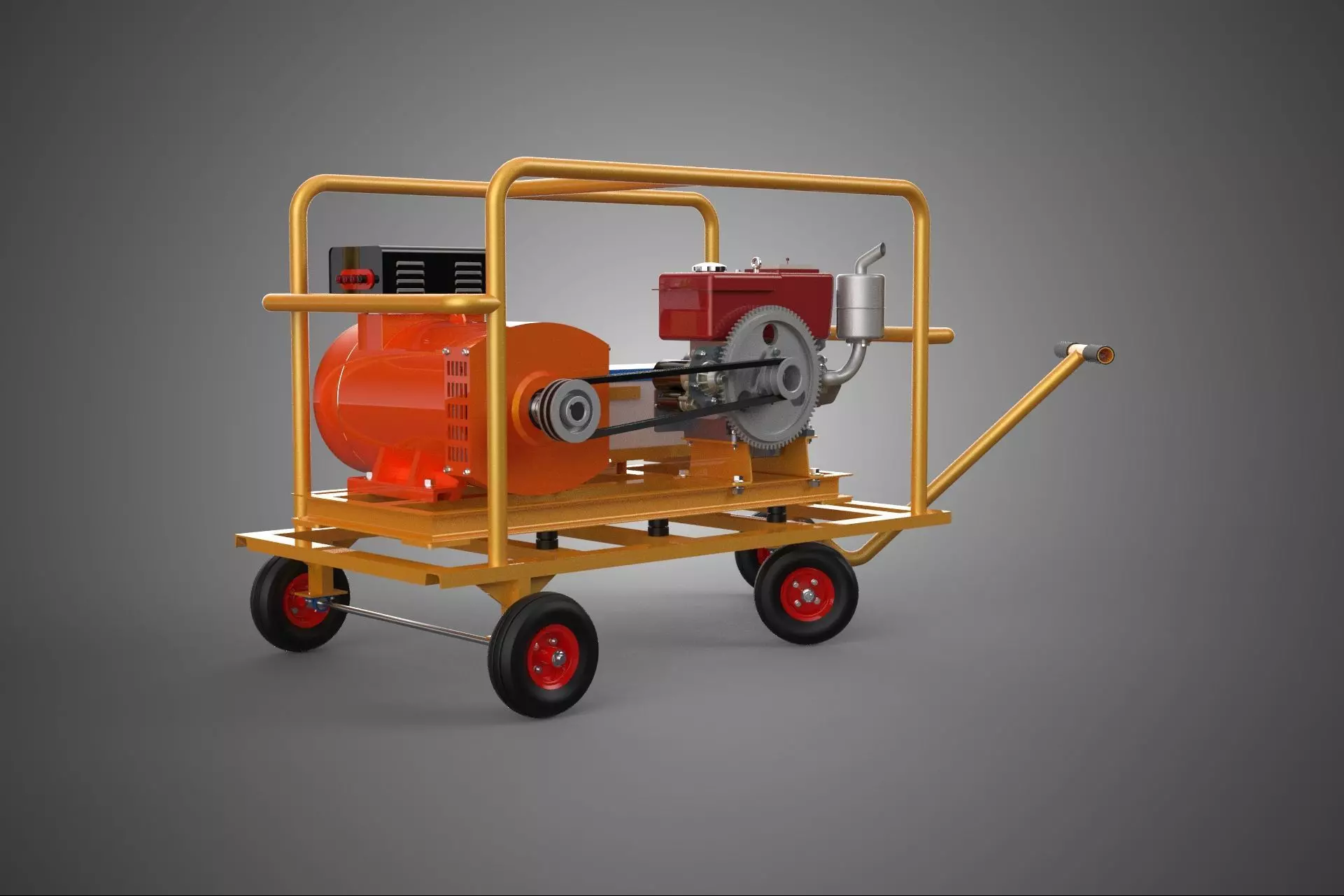
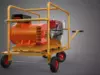
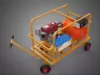
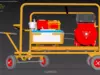
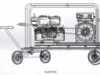
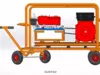
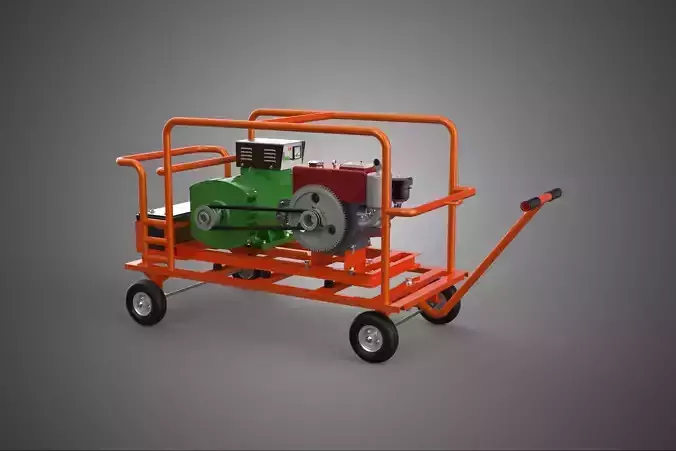
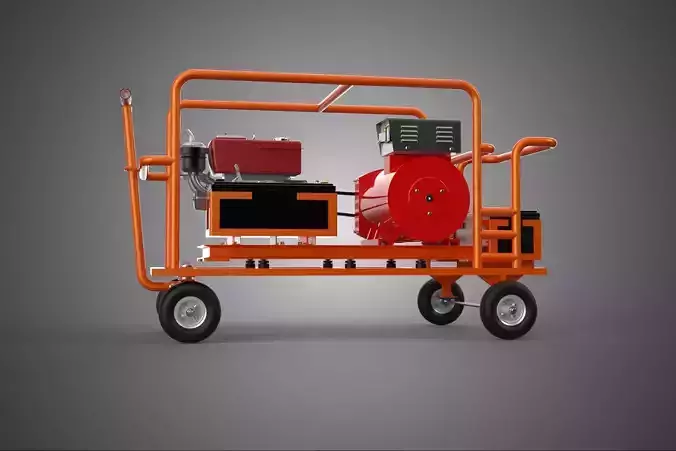
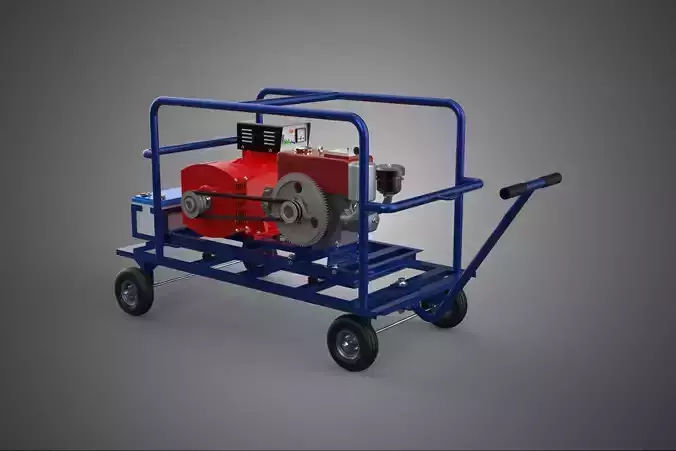
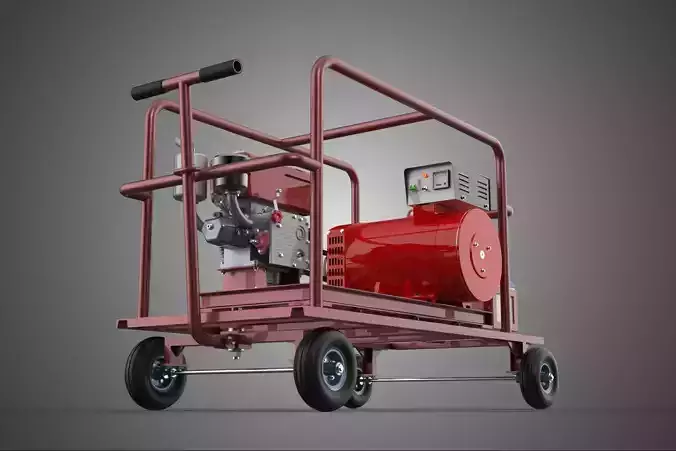
Standard Electrical Generator Set for Backup Power (Diesel Genset KVA)
A Standard Electrical Generator Set (Genset) utilizing a compression-ignition (diesel) engine is an integrated, self-contained system designed to provide electrical power, primarily serving as a Backup Power source during grid outages or brownouts. These systems are critical components in ensuring business continuity, safety, and operational resilience across various sectors. The output capacity of these units is universally rated in Kilo-Volt-Amperes (KVA), a crucial metric for electrical system specification.
Definition and Function
A diesel genset functions by converting the chemical energy stored in diesel fuel into mechanical energy via the internal combustion engine (the prime mover), which then drives an electrical machine (the synchronous alternator or generator) to produce alternating current (AC).
These systems are categorized primarily by their duty cycle:
- Standby Power: Used exclusively for emergency purposes when the main utility supply fails, operating for limited periods.
- Prime Power: Used for continuous operation in applications where grid power is unreliable or unavailable (e.g., remote sites).
- Continuous Power: Reserved for applications requiring constant load supply throughout extended periods.
For backup applications, the integration of an Automatic Transfer Switch (ATS) is standard. The ATS monitors the utility supply and, upon detecting a disruption, automatically signals the genset to start, disconnects the load from the grid, and transfers it to the generator supply.
### Core Components and Configuration
A standard diesel genset comprises several interconnected subsystems mounted on a robust, vibration-dampening base frame (skid):
#### 1. The Prime Mover (Diesel Engine)
The engine utilizes the diesel cycle, characterized by high thermal efficiency and robust construction, making it suitable for demanding, rapid load application and variable operational demands. Key engine subsystems include the fuel injection system, lubrication system, and the speed governing system, which maintains the required rotational speed (typically 1500 or 1800 revolutions per minute) to ensure stable output frequency (50 Hz or 60 Hz).
#### 2. The Alternator (Synchronous Generator)
The alternator is typically a brushless, revolving-field synchronous machine designed to generate AC power at specific voltages (low, medium, or high). It is characterized by its stator (fixed armature winding) and rotor (field winding) and often includes an Automatic Voltage Regulator (AVR) to maintain output voltage stability regardless of fluctuating load conditions.
#### 3. The Control System
Modern genset control panels employ microprocessor-based logic for comprehensive monitoring and protection. Functions include:
- Engine starting/stopping sequences.
- Monitoring critical parameters (oil pressure, coolant temperature, fuel level, battery voltage).
- Electrical protection (overcurrent, over/under voltage, over/under frequency).
- Communication protocols (e.g., Modbus) for remote monitoring.
#### 4. Auxiliary Systems
- Cooling System: Typically liquid-cooled (radiator-based) to dissipate excess heat generated by the engine.
- Exhaust System: Manages and directs combustion byproduct gases away from the unit, often incorporating mufflers to minimize acoustic pollution.
- Fuel System: Includes the main fuel tank, filtration units, and the injection pump.
### Electrical Rating (KVA)
The capacity of a generator set is specified in Kilo-Volt-Amperes (KVA). KVA represents the apparent power ($S$), which is the vector sum of the real power ($P$, measured in Kilowatts or kW) and the reactive power ($Q$, measured in Kilo-Volt-Amperes Reactive or KVAR).
The relationship is governed by the Power Factor (PF):
$$\text{kW} = \text{KVA} \times \text{PF}$$
For sizing backup power systems, KVA is the preferred rating unit because the alternator must be designed to handle the total current draw, including reactive components (common with inductive loads like motors and transformers). Standard commercial gensets are typically rated assuming a lagging power factor of 0.8. Selecting a genset based purely on required kW may lead to inadequate reactive current capacity, causing instability.
### Applications in Critical Infrastructure
Diesel gensets are ubiquitous as reliable backup sources due to the diesel engine's quick start capability and reliable load acceptance. Typical applications include:
- Healthcare: Hospitals and medical facilities (ensuring life support and operational theatres remain active).
- Data Centers: Maintaining continuous server operation and cooling during utility loss.
- Commercial & Industrial: Factories, large office buildings, and retail complexes.
- Telecommunications: Powering cell towers and central switching stations.
- Public Safety: Emergency services, water treatment plants, and governmental infrastructure.
### Regulatory Compliance
The deployment of standard diesel gensets is subject to strict environmental and safety regulations. Emissions controls (e.g., Tier 4 standards in the US or Stage V in Europe) govern the engine’s exhaust output, especially concerning Nitrogen Oxides (NOx) and Particulate Matter (PM). Furthermore, installation and safety standards (e.g., NFPA guidelines) mandate proper ventilation, fuel storage, noise mitigation, and electrical grounding procedures.
***
KEYWORDS: Diesel Engine, Generator Set, Backup Power, Standby Power, Kilo-Volt-Amperes, KVA, Synchronous Alternator, Prime Mover, Automatic Transfer Switch, ATS, Prime Power, Apparent Power, Real Power, Power Factor, Governing System, Automatic Voltage Regulator, AVR, Emergency Power, Critical Infrastructure, Transient Response, Emissions Control, NFPA, Data Center, Industrial Power, Commercial Power, Electrical Generation, Load Profile, Compression-Ignition, Voltage Regulation, Cooling System.