High-quality 3D assets at affordable prices — trusted by designers, engineers, and creators worldwide. Made with care to be versatile, accessible, and ready for your pipeline.
Included File Formats
This model is provided in 14 widely supported formats, ensuring maximum compatibility:
• - FBX (.fbx) – Standard format for most 3D software and pipelines
• - OBJ + MTL (.obj, .mtl) – Wavefront format, widely used and compatible
• - STL (.stl) – Exported mesh geometry; may be suitable for 3D printing with adjustments
• - STEP (.step, .stp) – CAD format using NURBS surfaces
• - IGES (.iges, .igs) – Common format for CAD/CAM and engineering workflows (NURBS)
• - SAT (.sat) – ACIS solid model format (NURBS)
• - DAE (.dae) – Collada format for 3D applications and animations
• - glTF (.glb) – Modern, lightweight format for web, AR, and real-time engines
• - 3DS (.3ds) – Legacy format with broad software support
• - 3ds Max (.max) – Provided for 3ds Max users
• - Blender (.blend) – Provided for Blender users
• - SketchUp (.skp) – Compatible with all SketchUp versions
• - AutoCAD (.dwg) – Suitable for technical and architectural workflows
• - Rhino (.3dm) – Provided for Rhino users
Model Info
• - All files are checked and tested for integrity and correct content
• - Geometry uses real-world scale; model resolution varies depending on the product (high or low poly)
• • - Scene setup and mesh structure may vary depending on model complexity
• - Rendered using Luxion KeyShot
• - Affordable price with professional detailing
Buy with confidence. Quality and compatibility guaranteed.
If you have any questions about the file formats, feel free to send us a message — we're happy to assist you!
Sincerely,
SURF3D
Trusted source for professional and affordable 3D models.
More Information About 3D Model :
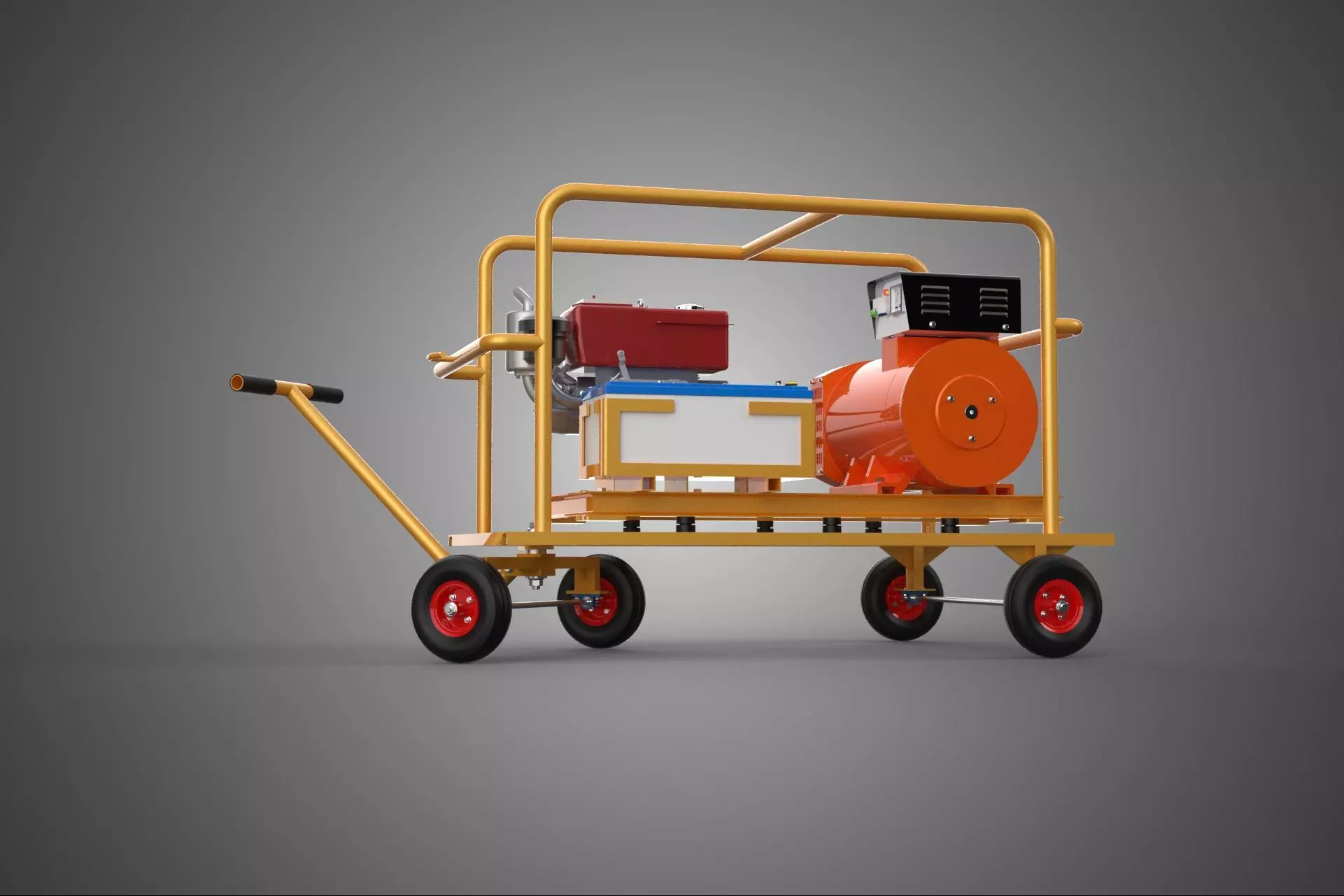
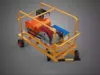
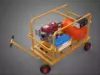
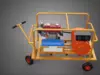
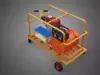
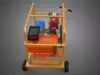
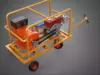
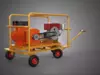
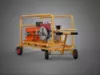
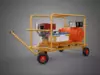
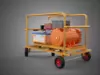
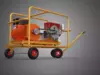
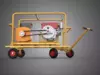
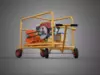
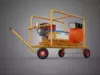
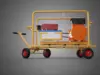
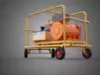
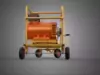
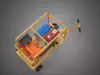
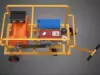
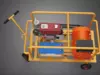
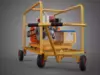
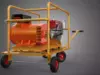
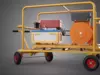
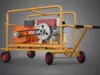
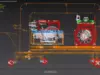
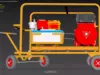
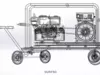
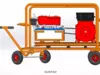
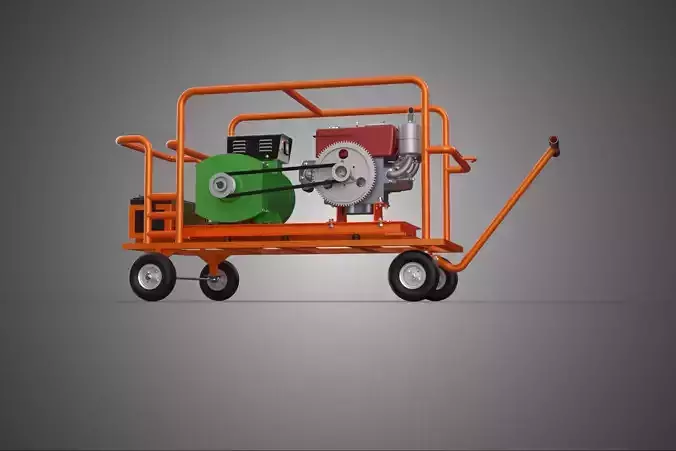
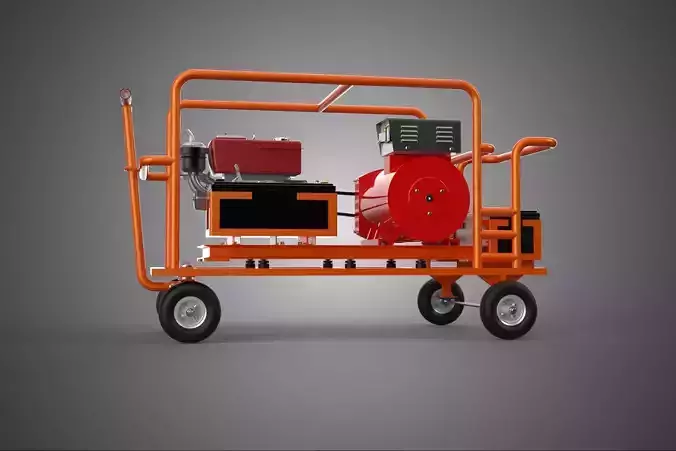
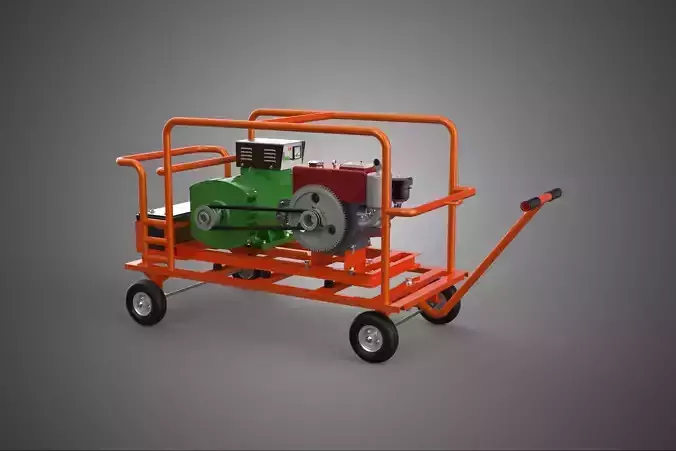
The apparatus described is a specialized iteration of a mobile or portable power generation system, commonly referred to as a Generator Set (Genset), mounted upon a dedicated Cart superstructure. This integrated unit is designed to provide localized, autonomous electrical power (measured in Kilowatts, KW) while maintaining operational flexibility and ease of transport across various environments, such as construction sites, remote field operations, or during emergency response scenarios.
Generator Set (Genset) and Power Output (KW)
The core function is performed by the Genset, which typically comprises an internal combustion engine (diesel, gasoline, or propane) coupled directly to an alternator. The output, denominated in Kilowatts (kW), represents the active (real) electrical power the unit can sustainably deliver. The genset's maximum capacity dictates its utility, ranging from small utility units (2 kW to 10 kW) to medium industrial units (up to several hundred kW).
Mobility and Structure (Cart)
The Cart forms the robust foundation, distinguishing this assembly from stationary units. It consists of a durable chassis, often featuring pneumatic or solid rubber wheels, designed to absorb operational vibration and facilitate movement over uneven terrain. The cart structure includes stabilizing elements, mounting points for vibration dampening, and sometimes integrated fuel tanks. Portability is a defining characteristic, achieved either through manual maneuvering or connection to a prime mover (e.g., a service vehicle) via a tow hitch.
Operator Interface and Ergonomics (Steering Handle)
The Steering Handle is a critical ergonomic and control component integrated into the cart's frame. In smaller units, the handle serves as the primary means for manual repositioning, directional guidance, and stabilization during movement. It is often designed for optimal leverage and may incorporate locking mechanisms to prevent accidental rolling when the unit is operating. For safety, the handle assembly frequently includes elements of a dead-man switch or a primary braking actuator, ensuring the operator must maintain physical control during high-speed transit or positioning.
Control Mechanisms (Lever, Range Control)
The control system of the mobile genset is accessed via dedicated input interfaces, generally referred to collectively as the Lever and Range Control mechanisms. These mechanisms are central to governing the unit’s performance characteristics:
- Lever Controls: These typically involve manual inputs related to engine operation, such as the throttle lever (governing engine speed and thus electrical frequency), the choke lever (for cold starting), or switches for activating pre-heating systems. On heavier carts, a lever may act as a dedicated mechanical brake control, separate from the steering handle interlocks.
- Range Control (KW/Performance Adjustment): This feature refers to the operator’s ability to define and adjust the operational envelope of the generator. Specifically, the Range Control KW function permits the setting of maximum permissible load, high/low idle speeds, or voltage regulation thresholds. Modern gensets employ electronic control modules (ECMs) linked to these inputs, allowing the operator to modulate engine speed (RPM) to optimize fuel efficiency under light load or to ensure stable frequency (Hz) output under varying load conditions, thereby controlling the overall operational power delivery range in kilowatts. This adjustment capability is essential for matching the generator’s output precisely to the demands of connected equipment, protecting both the generator and the load from transient overloads or insufficient power supply.
The integration of these handling and control elements ensures safe, effective deployment and operational management of high-power mobile generation assets.
KEYWORDS: GENERATOR SET, GENSET, MOBILE POWER, PORTABLE GENERATOR, CART CHASSIS, STEERING HANDLE, POWER DELIVERY, KILOWATT, KW RATING, ENGINE CONTROL, THROTTLE LEVER, RANGE CONTROL, LOAD MANAGEMENT, FREQUENCY REGULATION, VOLTAGE STABILITY, PORTABILITY, CHASSIS DESIGN, EMERGENCY POWER, CONSTRUCTION EQUIPMENT, FIELD OPERATIONS, CONTROL PANEL, ERGONOMICS, SAFETY INTERLOCK, BRAKE SYSTEM, ACTUATOR, ALTERNATOR, INTERNAL COMBUSTION ENGINE, OPERATOR INTERFACE, FUEL EFFICIENCY.