High-quality 3D assets at affordable prices — trusted by designers, engineers, and creators worldwide. Made with care to be versatile, accessible, and ready for your pipeline.
Included File Formats
This model is provided in 14 widely supported formats, ensuring maximum compatibility:
• - FBX (.fbx) – Standard format for most 3D software and pipelines
• - OBJ + MTL (.obj, .mtl) – Wavefront format, widely used and compatible
• - STL (.stl) – Exported mesh geometry; may be suitable for 3D printing with adjustments
• - STEP (.step, .stp) – CAD format using NURBS surfaces
• - IGES (.iges, .igs) – Common format for CAD/CAM and engineering workflows (NURBS)
• - SAT (.sat) – ACIS solid model format (NURBS)
• - DAE (.dae) – Collada format for 3D applications and animations
• - glTF (.glb) – Modern, lightweight format for web, AR, and real-time engines
• - 3DS (.3ds) – Legacy format with broad software support
• - 3ds Max (.max) – Provided for 3ds Max users
• - Blender (.blend) – Provided for Blender users
• - SketchUp (.skp) – Compatible with all SketchUp versions
• - AutoCAD (.dwg) – Suitable for technical and architectural workflows
• - Rhino (.3dm) – Provided for Rhino users
Model Info
• - All files are checked and tested for integrity and correct content
• - Geometry uses real-world scale; model resolution varies depending on the product (high or low poly)
• • - Scene setup and mesh structure may vary depending on model complexity
• - Rendered using Luxion KeyShot
• - Affordable price with professional detailing
Buy with confidence. Quality and compatibility guaranteed.
If you have any questions about the file formats, feel free to send us a message — we're happy to assist you!
Sincerely,
SURF3D
Trusted source for professional and affordable 3D models.
More Information About 3D Model :
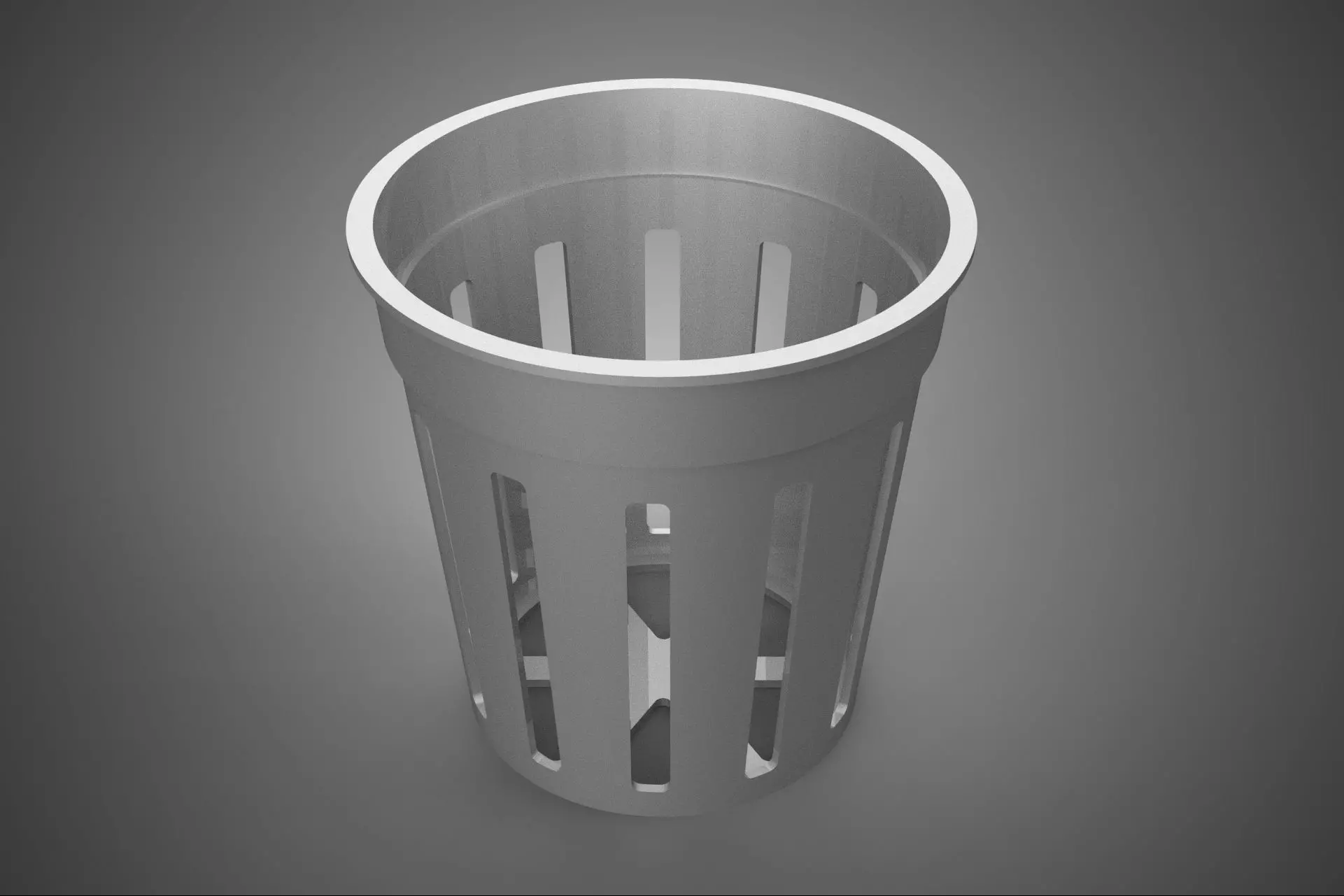
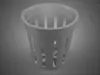
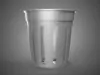
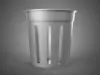
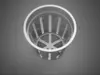
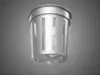
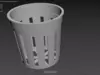
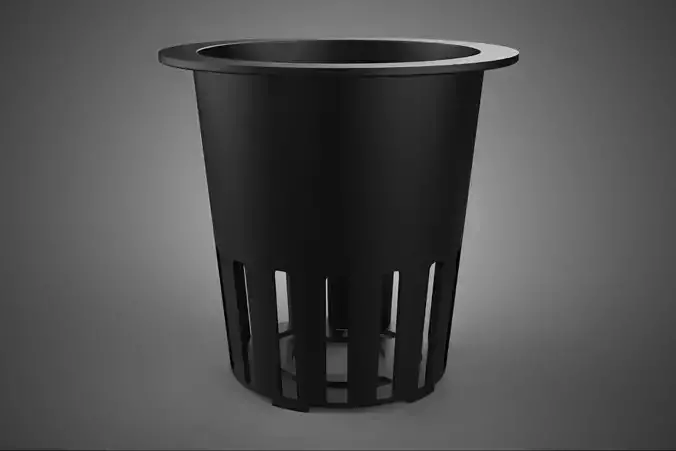
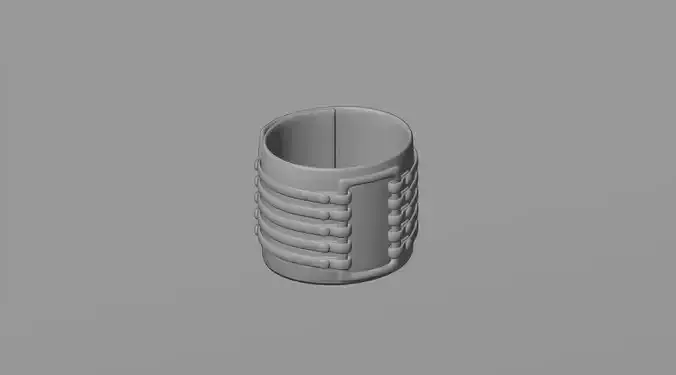
The Standard Slotted Net Pot Cup is a specialized horticultural component designed for use across various configurations of controlled environment agriculture (CEA), predominantly within hydroponic and aeroponic systems. It functions as the primary interface between the plant’s base, the rooting substrate, and the delivery system for the nutrient solution.
Nomenclature and Definition
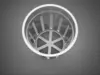
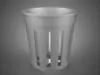
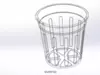
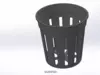
Commonly referred to simply as a Net Pot, this equipment is characterized by a perforated design, typically featuring vertical or angled slots (or a mesh grid) around the circumference and base. The designation Standard implies adherence to widely accepted dimensional parameters facilitating compatibility with commercial lids, bucket openings (e.g., 5-gallon buckets utilized in Deep Water Culture), or standard channel configurations. The term Medium Grow relates to the pot's internal volume, suitable for starter plants, intermediate vegetative growth stages, or mature production of moderately sized crops such as herbs, leafy greens (e.g., lettuce), and smaller fruiting plants (e.g., strawberries or dwarf tomatoes).
Design and Functional Anatomy
The net pot cup is engineered for maximum permeability to ensure optimal root zone conditions.
1. Material Composition:
The cups are overwhelmingly manufactured from durable, inert, and UV-resistant thermoplastic polymers, such as food-grade polypropylene (PP) or high-density polyethylene (HDPE). The choice of material ensures chemical stability, preventing leaching into the nutrient solution and resisting degradation from continuous moisture exposure or exposure to common hydroponic sterilizers.
2. Slotted Architecture:
The defining feature is the slotted or mesh sidewall structure. These perforations serve three critical functions:
- Root Egress: They permit unrestricted lateral and downward growth of the root system out of the pot and directly into the nutrient reservoir or delivery stream.
- Aeration: The open structure promotes superior air exchange within the limited volume of the rooting medium, critical for delivering oxygen to the plant roots (preventing anoxia) and maintaining root health.
- Drainage: In systems utilizing intermittent wetting (e.g., Ebb and Flow or Drip systems), the slots ensure rapid, complete drainage, preventing waterlogging of the substrate.
3. Structural Components:
A typical medium net pot features a broad upper lip or flange designed to rest securely on the opening of a reservoir lid or specialized container. The pot depth and base diameter are calibrated to balance structural support for the plant crown with accessibility for the emerging roots. Common dimensions for medium applications range typically from 3 to 6 inches (7.6 cm to 15.2 cm) in diameter.
### Operational Integration
The Standard Slotted Net Pot Cup is central to several hydroponic methodologies:
- Deep Water Culture (DWC): The pot is inserted into a hole in the reservoir lid, with the base partially submerged in the nutrient solution. The slots allow the roots to grow directly into the water, where they are constantly bathed in nutrients and typically supplied with oxygen via an air stone.
- Ebb and Flow (Flood and Drain): The net pot sits within the grow tray. The substrate within wicks the solution upwards during the flooding cycle, and the slots facilitate rapid drainage when the reservoir empties.
- Nutrient Film Technique (NFT) and Aeroponics: While less common than DWC integration, net pots may be utilized as holders within channels or manifolds, often utilizing an inert starter medium (such as rockwool or clay pebbles).
### Substrate and Media
Due to the slotted design, the net pot requires a coarse, porous, and relatively large-particulate growing medium to prevent washout. Commonly employed media include expanded clay aggregate (hydroton/LECA), coco coir chips, perlite, vermiculite, and specialized rockwool blocks. These media provide structural support while maintaining high air-filled porosity.
KEYWORDS: Hydroponics, Net Pot, Slotted Container, Deep Water Culture, DWC, Soilless Culture, Hydroculture, Grow Cup, Standard Design, Medium Size, Root System, Aeration, Drainage, Nutrient Solution, Polypropylene, HDPE, Horticultural Equipment, Growing Media, Ebb and Flow, Flood and Drain, CEA, Controlled Environment Agriculture, Substrate Support, Rockwool, LECA, Expanded Clay, Reservoir Lid, Plant Culture, Root Egress, Receptacle, Perforated.