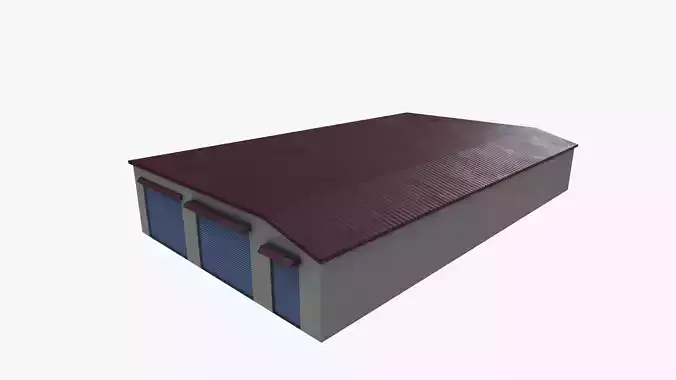
High-quality 3D assets at affordable prices — trusted by designers, engineers, and creators worldwide. Made with care to be versatile, accessible, and ready for your pipeline.
Included File Formats
This model is provided in 14 widely supported formats, ensuring maximum compatibility:
• - FBX (.fbx) – Standard format for most 3D software and pipelines
• - OBJ + MTL (.obj, .mtl) – Wavefront format, widely used and compatible
• - STL (.stl) – Exported mesh geometry; may be suitable for 3D printing with adjustments
• - STEP (.step, .stp) – CAD format using NURBS surfaces
• - IGES (.iges, .igs) – Common format for CAD/CAM and engineering workflows (NURBS)
• - SAT (.sat) – ACIS solid model format (NURBS)
• - DAE (.dae) – Collada format for 3D applications and animations
• - glTF (.glb) – Modern, lightweight format for web, AR, and real-time engines
• - 3DS (.3ds) – Legacy format with broad software support
• - 3ds Max (.max) – Provided for 3ds Max users
• - Blender (.blend) – Provided for Blender users
• - SketchUp (.skp) – Compatible with all SketchUp versions
• - AutoCAD (.dwg) – Suitable for technical and architectural workflows
• - Rhino (.3dm) – Provided for Rhino users
Model Info
• - All files are checked and tested for integrity and correct content
• - Geometry uses real-world scale; model resolution varies depending on the product (high or low poly)
• • - Scene setup and mesh structure may vary depending on model complexity
• - Rendered using Luxion KeyShot
• - Affordable price with professional detailing
Buy with confidence. Quality and compatibility guaranteed.
If you have any questions about the file formats, feel free to send us a message — we're happy to assist you!
Sincerely,
SURF3D
Trusted source for professional and affordable 3D models.
More Information About 3D Model :
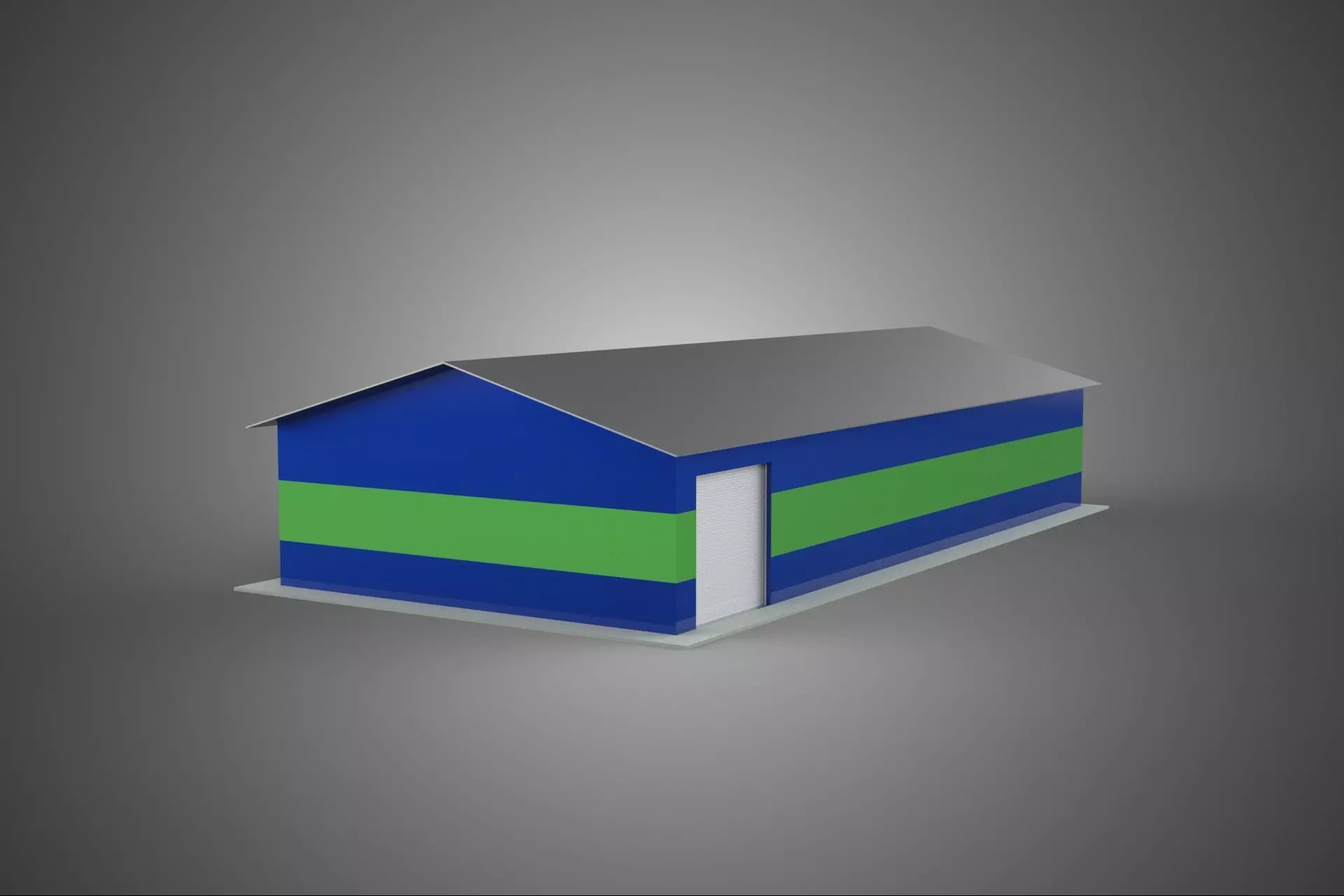
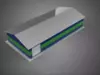
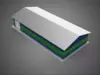
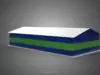
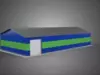
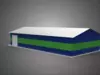
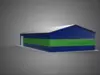
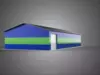
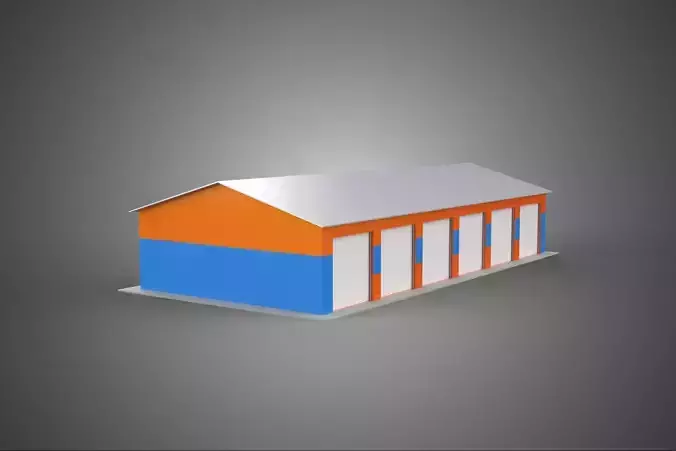
The title STRIPed SHELTER SHACK HUT HOVEL COTTAGE SHANTY CRIB WICKIUP WIGWAM is a composite nomenclature constructed by concatenating various terms describing small, rudimentary, or temporary dwellings, prefixed by the adjective STRIPed. This construction does not refer to a singular, established architectural type or cultural artifact, but rather serves as a conceptual framework encompassing a spectrum of marginal, vernacular, or improvised human habitation characterized by specific superficial or structural ornamentation.
Interpretation and Analysis
The analysis must proceed by dissecting the components: the modifier (STRIPed) and the extensive list of dwelling types (SHELTER through WIGWAM).
I. The Modifier: STRIPed
The term STRIPed, when applied to architecture, universally denotes structures featuring linear, parallel bands or markings (striations) in their external finishing, coloration, or material application. This patterning can be achieved through:
- Paint or Pigment: Deliberate application of contrasting colors onto the exterior surface (e.g., walls, roof).
- Material Variation: Alternating bands of different materials, such as wood planks of varying stains, metal panels, or textiles (especially relevant for temporary structures like tents or wickiups).
- Shadow and Relief: Structural components creating linear relief patterns, sometimes accentuated by light.
The significance of striped decoration in vernacular or improvised dwellings often relates to visible repair, layered construction, rapid identification, or purely aesthetic choice, though it may also reflect readily available, pre-patterned materials (e.g., salvaged awning fabric, striped tarpaulins).
#### II. Dwelling Typologies (SHELTER – WIGWAM)
The listed typologies represent a decreasing scale of formality and permanence, ranging from generic protection to specific indigenous North American structures.
A. Generic and Improvised Structures (SHELTER, SHACK, HUT, HOVEL, SHANTY, CRIB):
- SHELTER: The most general term, signifying any structure affording protection from the elements.
- SHACK / HUT: Small, crudely built structures, often constructed from basic or salvaged materials. They imply limited infrastructure and non-compliance with formal building codes.
- HOVEL: Often carries a pejorative connotation, describing a small, dilapidated, or wretched dwelling, typically associated with poverty or extreme marginalization.
- SHANTY: A temporary or hastily constructed shelter, often associated with informal settlements, squatter camps, or construction sites (shantytowns). Materials are generally disparate and low-cost.
- CRIB: While often referring to a small storage building or granary, in certain contexts (e.g., mining or logging), it may denote a small, basic sleeping quarters or temporary accommodation.
B. Formalized Vernacular Structure (COTTAGE):
- COTTAGE: Generally implies a small, detached, often charming dwelling, typically associated with rural or semi-rural settings. It suggests greater permanence, architectural intentionality, and a higher standard of construction than a shack or hovel, though it remains modest in scale.
C. Indigenous North American Structures (WICKIUP, WIGWAM):
- WICKIUP (or WIKIYUP): A conical or dome-shaped dwelling traditionally used by nomadic indigenous groups, particularly those of the American Southwest (e.g., Apache). It is characterized by a framework of wooden poles covered with brush, mats, reeds, or hides.
- WIGWAM (or WETU): A dome-shaped or conical structure historically used by various Algonquian-speaking peoples in the Northeastern U.S. and Canada. It is built using a frame of bent poles (often saplings) covered traditionally with bark sheets (birch) or mats.
### Conceptual Synthesis: The STRIPed Catalogue
The prefixing of STRIPed across this entire continuum implies a common aesthetic or material condition shared regardless of the structure’s permanence, cultural origin, or social status.
A STRIPed SHELTER SHACK HUT HOVEL COTTAGE SHANTY CRIB WICKIUP WIGWAM thus defines a class of dwellings unified by the presence of prominent striation. This concept serves as an inventory of marginalized or specialized architecture where decoration (or visible material layering) manifests in linear patterns.
Architectural Significance: The inclusion of both highly temporary structures (Shanty, Wickiup) and more permanent ones (Cottage) under the STRIPed banner suggests that the decorative motif transcends socio-economic status or material availability. In impoverished contexts, stripes might result from using diverse, salvaged linear materials (e.g., different colored corrugated metal sheets). In formal contexts (Cottage), it would be a deliberate design choice (e.g., board-and-batten siding or intentional paint schemes).
Conclusion: The title is a comprehensive, abstract classification highlighting the intersection of rudimentary architecture and a ubiquitous decorative element (striation), useful primarily for comparative architectural studies focusing on surface treatment and typology across disparate housing categories.
KEYWORDS: Vernacular architecture, improvised housing, temporary structures, indigenous dwellings, striation, painted decoration, hut, shack, hovel, shanty, cottage, wickiup, wigwam, rudimentary shelter, nomadic housing, architectural typology, salvaged materials, marginal housing, dwelling classification, surface treatment, exterior siding, linear patterns, cultural architecture, temporary encampment, primitive construction, low-cost housing, comparative architecture, indigenous shelter, building materials, aesthetic marginalia.