High-quality 3D assets at affordable prices — trusted by designers, engineers, and creators worldwide. Made with care to be versatile, accessible, and ready for your pipeline.
Included File Formats
This model is provided in 14 widely supported formats, ensuring maximum compatibility:
• - FBX (.fbx) – Standard format for most 3D software and pipelines
• - OBJ + MTL (.obj, .mtl) – Wavefront format, widely used and compatible
• - STL (.stl) – Exported mesh geometry; may be suitable for 3D printing with adjustments
• - STEP (.step, .stp) – CAD format using NURBS surfaces
• - IGES (.iges, .igs) – Common format for CAD/CAM and engineering workflows (NURBS)
• - SAT (.sat) – ACIS solid model format (NURBS)
• - DAE (.dae) – Collada format for 3D applications and animations
• - glTF (.glb) – Modern, lightweight format for web, AR, and real-time engines
• - 3DS (.3ds) – Legacy format with broad software support
• - 3ds Max (.max) – Provided for 3ds Max users
• - Blender (.blend) – Provided for Blender users
• - SketchUp (.skp) – Compatible with all SketchUp versions
• - AutoCAD (.dwg) – Suitable for technical and architectural workflows
• - Rhino (.3dm) – Provided for Rhino users
Model Info
• - All files are checked and tested for integrity and correct content
• - Geometry uses real-world scale; model resolution varies depending on the product (high or low poly)
• • - Scene setup and mesh structure may vary depending on model complexity
• - Rendered using Luxion KeyShot
• - Affordable price with professional detailing
Buy with confidence. Quality and compatibility guaranteed.
If you have any questions about the file formats, feel free to send us a message — we're happy to assist you!
Sincerely,
SURF3D
Trusted source for professional and affordable 3D models.
More Information About 3D Model :
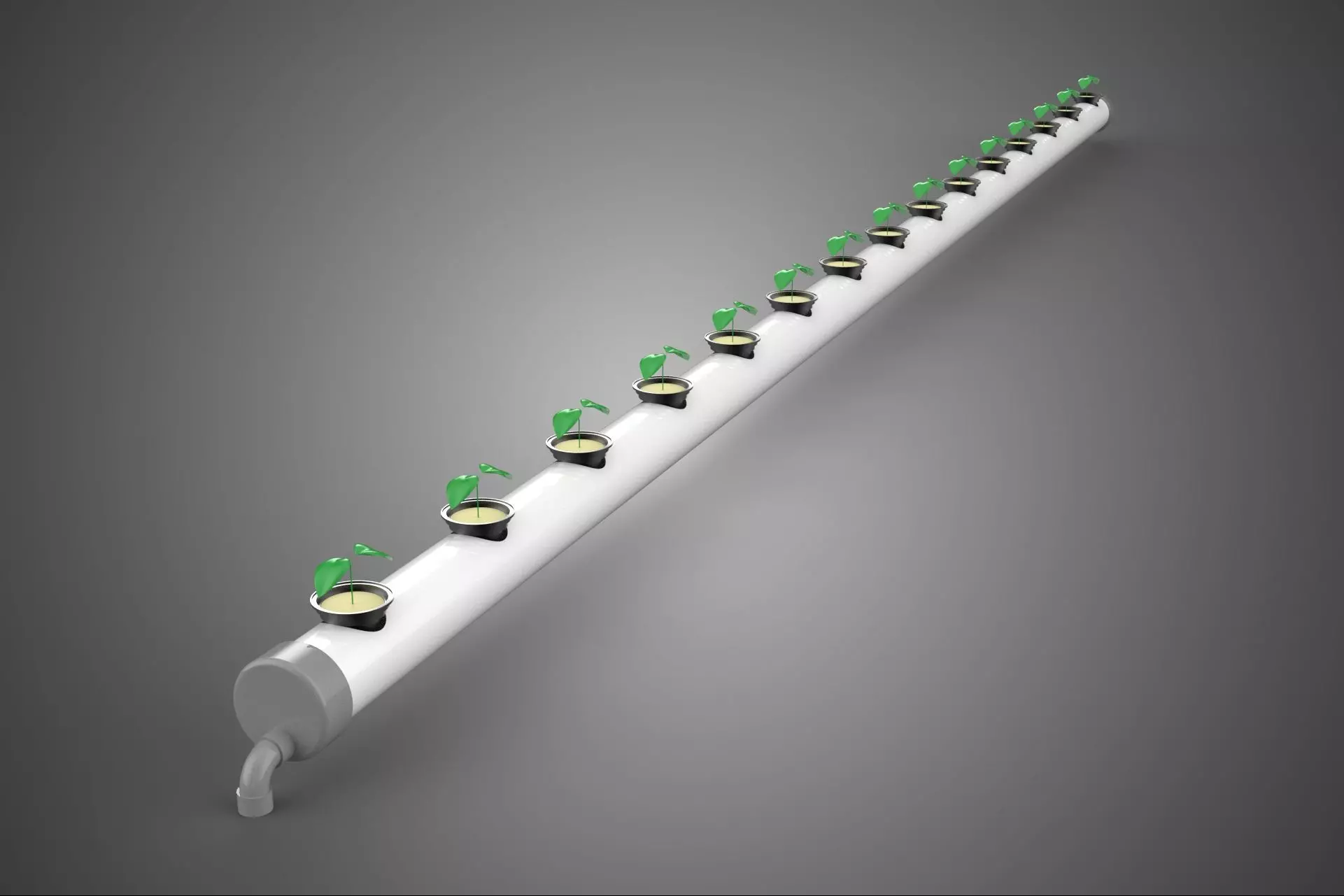
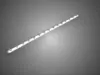
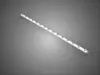
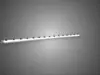
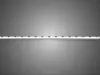
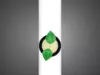
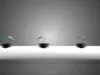
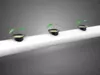
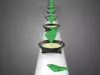
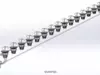
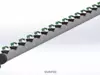
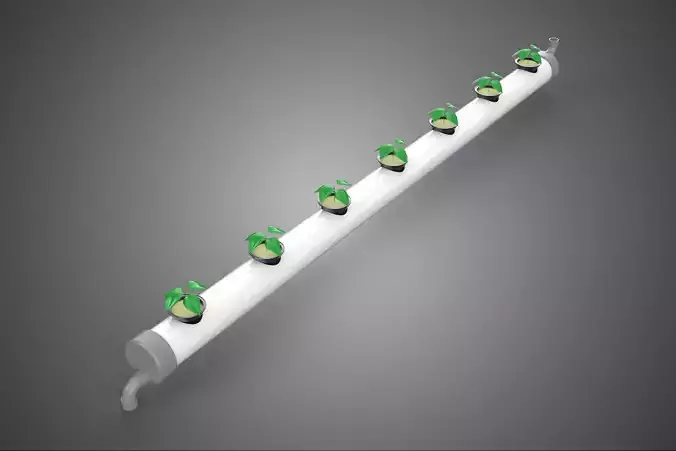
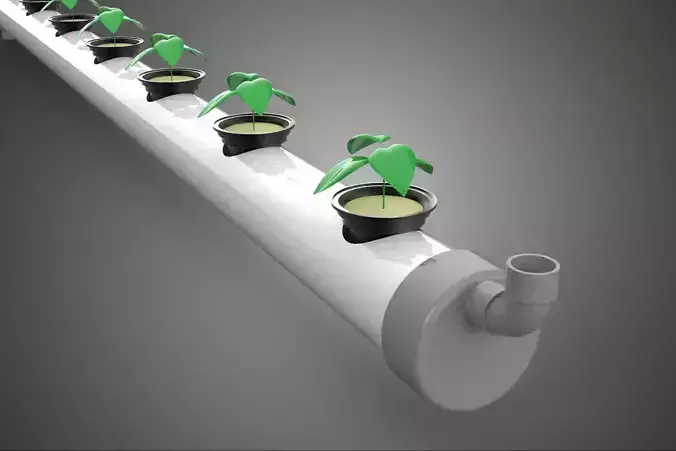
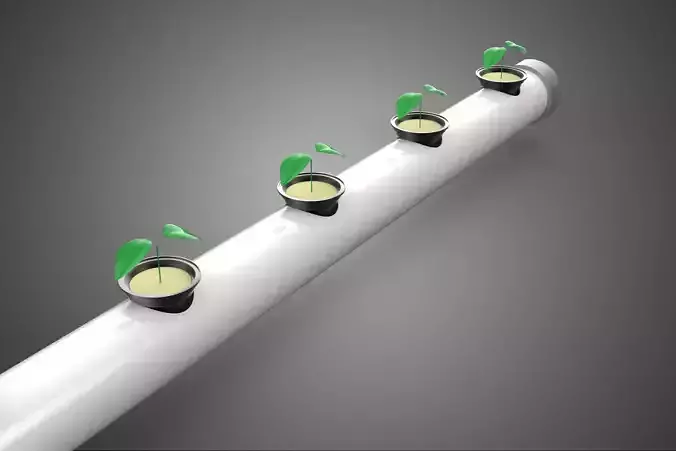
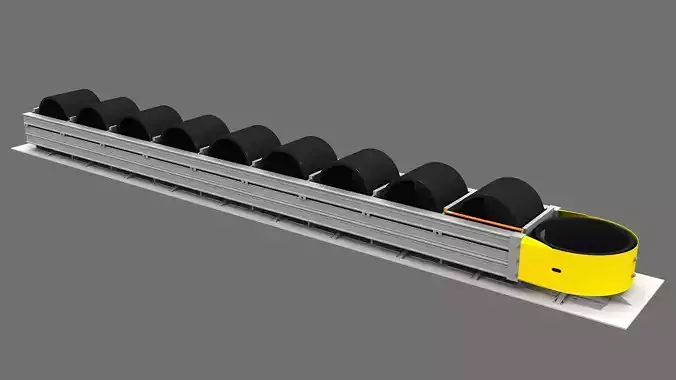
PVC PIPE CHANNEL NET POTS NFT HYDROPONIC CROP SEEDLING PLANT
The system described, utilizing PVC pipe channels and net pots within a Nutrient Film Technique (NFT) framework, constitutes a highly standardized and efficient method of soilless cultivation (hydroponics), primarily aimed at the propagation and early vegetative growth of commercial crops. This configuration is widely deployed in Controlled Environment Agriculture (CEA) due to its efficiency in water use, nutrient delivery, and space optimization.
Methodology: Nutrient Film Technique (NFT)
NFT is a recirculating hydroponic method characterized by the continuous flow of a shallow stream of water, laden with dissolved mineral nutrients, over the bare roots of plants. In a successful NFT setup, the depth of the nutrient solution is maintained at a minimal level (typically 1 to 3 millimeters), forming a thin film. This design ensures that the upper portion of the root mass remains exposed to the air, providing optimal oxygenation, while the lower roots absorb the required water and nutrients from the flowing solution. This critical balance between hydration, nutrition, and aeration prevents root hypoxia, a common issue in deep-water culture systems.
System Components and Engineering
1. PVC Pipe Channels
Polyvinyl Chloride (PVC) pipe is the material of choice for the cultivation channels due to its low cost, durability, ease of fabrication, non-reactive nature, and inherent opacity. The opacity is essential as it prevents light penetration into the channel, thereby inhibiting the growth of algae and pathogenic microorganisms within the nutrient solution.
The PVC channels are typically configured horizontally, either in single- or multi-tiered racks, and are set at a slight, consistent gradient, usually between 1.0% and 3.0%. This slope allows gravity to drive the nutrient solution flow from the high end (inlet) to the low end (outlet), where the solution is collected and returned to a central reservoir for monitoring, replenishment, and recirculation. While cylindrical PVC piping is used, rectangular or square channel profiles are often preferred in commercial operations as they provide a flatter base, facilitating uniform net pot placement and flow distribution.
2. Net Pots
Net pots are small, reusable containers—often constructed from high-density polyethylene (HDPE)—that are inserted into pre-drilled apertures along the top surface of the PVC channels. Their function is two-fold:
- They provide mechanical support for the plant seedling during its initial establishment phase.
- Their open mesh design allows the plant roots to pass through and down into the flowing nutrient film below.
Seedlings are typically started in an inert rooting medium, such as rockwool cubes, coco coir plugs, or specialized foam, before being transplanted directly into the net pots. The size and spacing of the net pots are determined by the specific crop being cultivated and the desired plant density.
#### 3. Recirculation and Automation
The NFT system operates as a closed loop. A submersible pump draws the nutrient solution from the main reservoir and distributes it to the inlets of the PVC channels. The flow rate must be meticulously managed; excessive flow can lead to channeling and waste, while insufficient flow can result in nutrient depletion and excessive temperature rise in distal sections. The solution collected at the outlets is filtered and returned to the reservoir.
Automation systems are frequently integrated to monitor and adjust critical parameters, including:
- Electrical Conductivity (EC): Measures the concentration of dissolved nutrients.
- Potential of Hydrogen (pH): Regulates nutrient bioavailability and uptake efficiency.
- Temperature: Affects dissolved oxygen levels and root metabolism.
### Application in Crop Cultivation
The PVC channel NFT system is particularly effective for high-turnover, short-duration crops that do not require deep rooting or heavy structural support. It is the dominant methodology for commercial production of:
- Leafy Greens: Various species of lettuce (e.g., butterhead, romaine), spinach, arugula, and kale.
- Herbs: Basil, mint, chives, and coriander.
- Small Fruits: Specialized variations are used for growing crops like strawberries, though these often require modification to the channel dimensions.
Its efficiency in maintaining a consistent, well-oxygenated root zone makes it ideal for cultivating high-quality, uniform seedling plants, which can then either be harvested or transferred to larger hydroponic systems if required.
KEYWORDS: Hydroponics, Nutrient Film Technique, NFT, PVC Pipe, Net Pots, Soilless Culture, Controlled Environment Agriculture, CEA, Recirculating System, Seedling Propagation, Crop Cultivation, Root Mat, Rockwool, Electrical Conductivity, pH Monitoring, Commercial Farming, Aeroponics, Deep Water Culture, Passive Hydroponics, Nutrient Solution, Water Efficiency, Channel Gradient, Root Oxygenation, Polyvinyl Chloride, Leafy Greens, Vertical Farming, Greenhouse Production, Inert Medium, Flow Rate Management, Transpiration.