High-quality 3D assets at affordable prices — trusted by designers, engineers, and creators worldwide. Made with care to be versatile, accessible, and ready for your pipeline.
Included File Formats
This model is provided in 14 widely supported formats, ensuring maximum compatibility:
• - FBX (.fbx) – Standard format for most 3D software and pipelines
• - OBJ + MTL (.obj, .mtl) – Wavefront format, widely used and compatible
• - STL (.stl) – Exported mesh geometry; may be suitable for 3D printing with adjustments
• - STEP (.step, .stp) – CAD format using NURBS surfaces
• - IGES (.iges, .igs) – Common format for CAD/CAM and engineering workflows (NURBS)
• - SAT (.sat) – ACIS solid model format (NURBS)
• - DAE (.dae) – Collada format for 3D applications and animations
• - glTF (.glb) – Modern, lightweight format for web, AR, and real-time engines
• - 3DS (.3ds) – Legacy format with broad software support
• - 3ds Max (.max) – Provided for 3ds Max users
• - Blender (.blend) – Provided for Blender users
• - SketchUp (.skp) – Compatible with all SketchUp versions
• - AutoCAD (.dwg) – Suitable for technical and architectural workflows
• - Rhino (.3dm) – Provided for Rhino users
Model Info
• - All files are checked and tested for integrity and correct content
• - Geometry uses real-world scale; model resolution varies depending on the product (high or low poly)
• • - Scene setup and mesh structure may vary depending on model complexity
• - Rendered using Luxion KeyShot
• - Affordable price with professional detailing
Buy with confidence. Quality and compatibility guaranteed.
If you have any questions about the file formats, feel free to send us a message — we're happy to assist you!
Sincerely,
SURF3D
Trusted source for professional and affordable 3D models.
More Information About 3D Model :
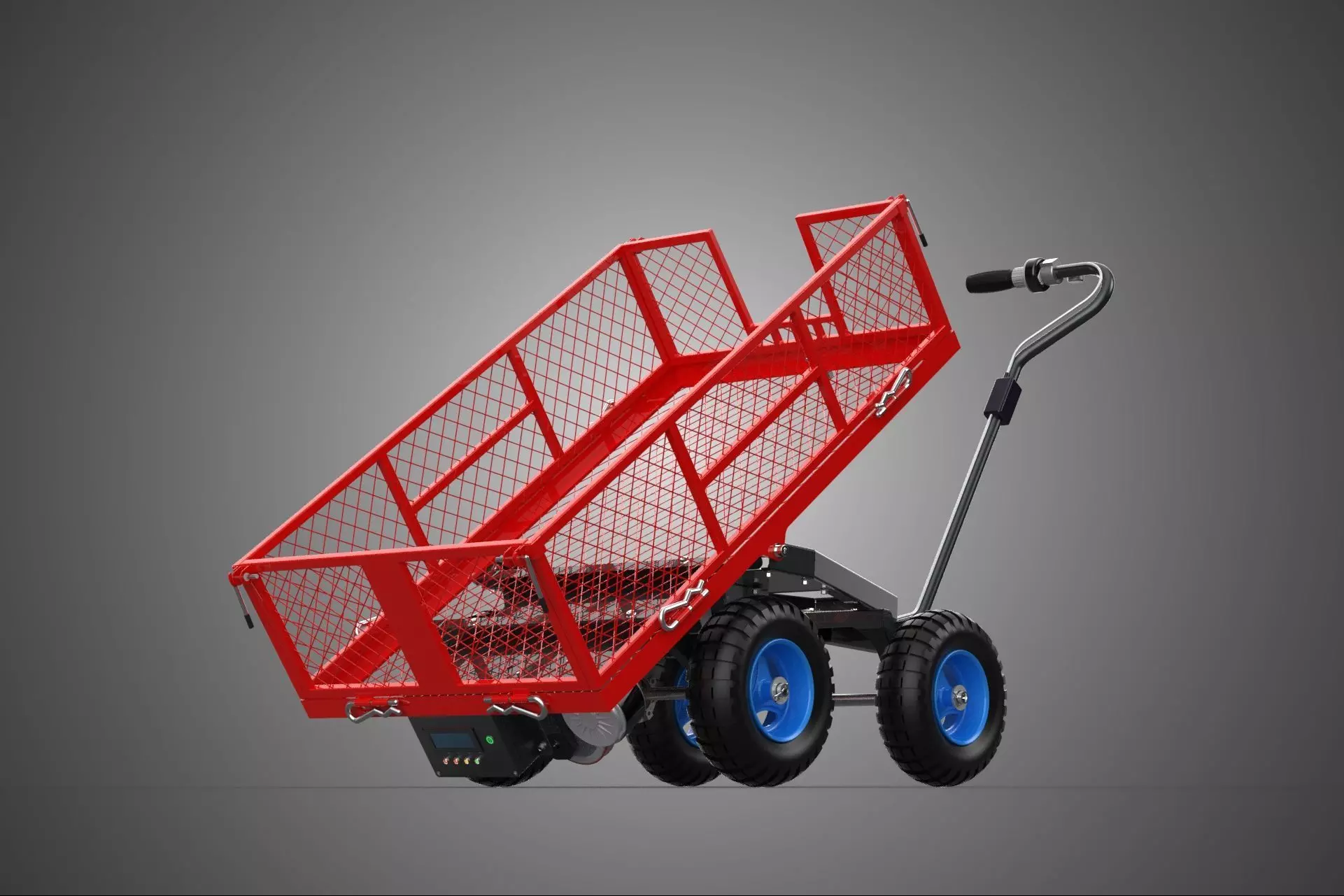
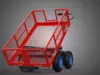
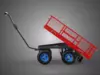
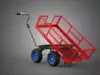
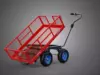
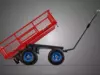
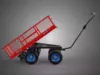
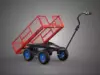
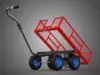
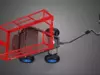
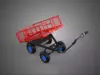
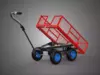
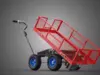
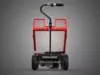
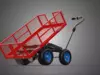
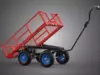
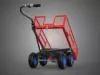
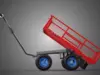
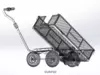
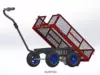
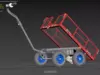
An Electric Metal Steel Grid Wiremesh Net Cage Cart Wagon Tilt Bed designates a highly specialized and robust mobile apparatus engineered for the efficient transport and controlled discharge of various bulk and contained goods. This comprehensive nomenclature precisely describes a wheeled utility vehicle characterized by its integrated electrical power system for both motive force and operational mechanisms, its durable steel construction, an open-lattice or cage-like cargo containment area, and an integrated, electrically actuated tilting bed for simplified unloading.
Structural Composition:
The primary framework and foundational components of this equipment are predominantly fabricated from steel, a ferrous alloy renowned for its exceptional tensile strength, rigidity, and durability. This construction ensures the unit's capacity to withstand substantial loads and rigorous operational conditions across diverse environments. The cargo containment structure, interchangeably referred to as a grid, wiremesh, net, or cage, is typically composed of welded or interwoven steel wires. This design forms an open-lattice enclosure that offers several critical advantages: it allows for unimpeded visibility of the cargo, facilitates ventilation or drainage, minimizes overall weight compared to solid-sided alternatives, and securely retains items within the bed during transit, preventing spillage while maintaining structural integrity. The cage aspect specifically implies a multi-sided enclosure providing comprehensive retention.
Electrical System and Mobility:
The **electric** attribute signifies the integration of an onboard electrical power system, generally comprising rechargeable batteries, an electric motor, and associated control circuitry. This system is primarily responsible for two critical functions:
- Propulsion: Driving the wheels for self-propelled mobility, offering quiet, emission-free operation. This makes the unit particularly suitable for indoor environments where exhaust fumes are prohibited, as well as outdoor use where noise reduction or environmental considerations are paramount.
- Actuation: Powering the mechanical system for the tilting bed mechanism, which might involve hydraulic pumps or linear actuators.
The **cart wagon** descriptor refers to the vehicle's fundamental form as a wheeled transport platform. Cart often implies smaller, hand-guided units, while wagon may suggest larger capacities or the capability for towing or self-driving. Both terms denote a mobile platform designed for the conveyance of materials.
Tilt Bed Mechanism:
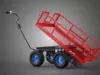
The **tilt bed** is a pivotal functional feature. It consists of an articulated loading platform designed to pivot or incline at a substantial angle. This mechanism, actuated electrically (often via hydraulic cylinders or linear actuators), enables the rapid, efficient, and ergonomic discharge of bulk materials such as soil, gravel, sand, agricultural feed, construction debris, or waste without the need for manual scooping or intervention. The ability to tilt the bed significantly enhances operational efficiency, reduces manual labor requirements, and improves turnaround times for material handling tasks.
Applications and Advantages:
This highly functional equipment finds extensive application in a broad spectrum of industrial, commercial, agricultural, and landscaping sectors. It is commonly deployed in manufacturing facilities, warehouses, horticultural operations, farms, construction sites, and municipal services for tasks requiring frequent movement and dumping of loose or packaged goods, tools, and equipment over varied terrains. Key advantages include superior durability from steel construction, enhanced operational efficiency through electric propulsion and a powered tilt bed, reduced physical labor, suitability for environmentally sensitive areas (due to zero emissions), and the secure yet visible containment provided by the wiremesh cage. This comprehensive designation precisely communicates the advanced features and robust capabilities of this specialized material handling solution.
KEYWORDS: Electric cart, Utility wagon, Material handling, Steel construction, Wire mesh, Cage cart, Tilt bed wagon, Powered transport, Industrial equipment, Warehouse cart, Agricultural wagon, Landscaping cart, Bulk material handling, Self-propelled cart, Battery powered, Zero emission, Durable cart, Articulated bed, Hydraulic tilt, Linear actuator, Cargo containment, Grid structure, Net enclosure, Mobile platform, Heavy duty, Ergonomic unloading, Site utility vehicle, Material conveyance, Utility vehicle, Dump cart