High-quality 3D assets at affordable prices — trusted by designers, engineers, and creators worldwide. Made with care to be versatile, accessible, and ready for your pipeline.
Included File Formats
This model is provided in 14 widely supported formats, ensuring maximum compatibility:
• - FBX (.fbx) – Standard format for most 3D software and pipelines
• - OBJ + MTL (.obj, .mtl) – Wavefront format, widely used and compatible
• - STL (.stl) – Exported mesh geometry; may be suitable for 3D printing with adjustments
• - STEP (.step, .stp) – CAD format using NURBS surfaces
• - IGES (.iges, .igs) – Common format for CAD/CAM and engineering workflows (NURBS)
• - SAT (.sat) – ACIS solid model format (NURBS)
• - DAE (.dae) – Collada format for 3D applications and animations
• - glTF (.glb) – Modern, lightweight format for web, AR, and real-time engines
• - 3DS (.3ds) – Legacy format with broad software support
• - 3ds Max (.max) – Provided for 3ds Max users
• - Blender (.blend) – Provided for Blender users
• - SketchUp (.skp) – Compatible with all SketchUp versions
• - AutoCAD (.dwg) – Suitable for technical and architectural workflows
• - Rhino (.3dm) – Provided for Rhino users
Model Info
• - All files are checked and tested for integrity and correct content
• - Geometry uses real-world scale; model resolution varies depending on the product (high or low poly)
• • - Scene setup and mesh structure may vary depending on model complexity
• - Rendered using Luxion KeyShot
• - Affordable price with professional detailing
Buy with confidence. Quality and compatibility guaranteed.
If you have any questions about the file formats, feel free to send us a message — we're happy to assist you!
Sincerely,
SURF3D
Trusted source for professional and affordable 3D models.
More Information About 3D Model :
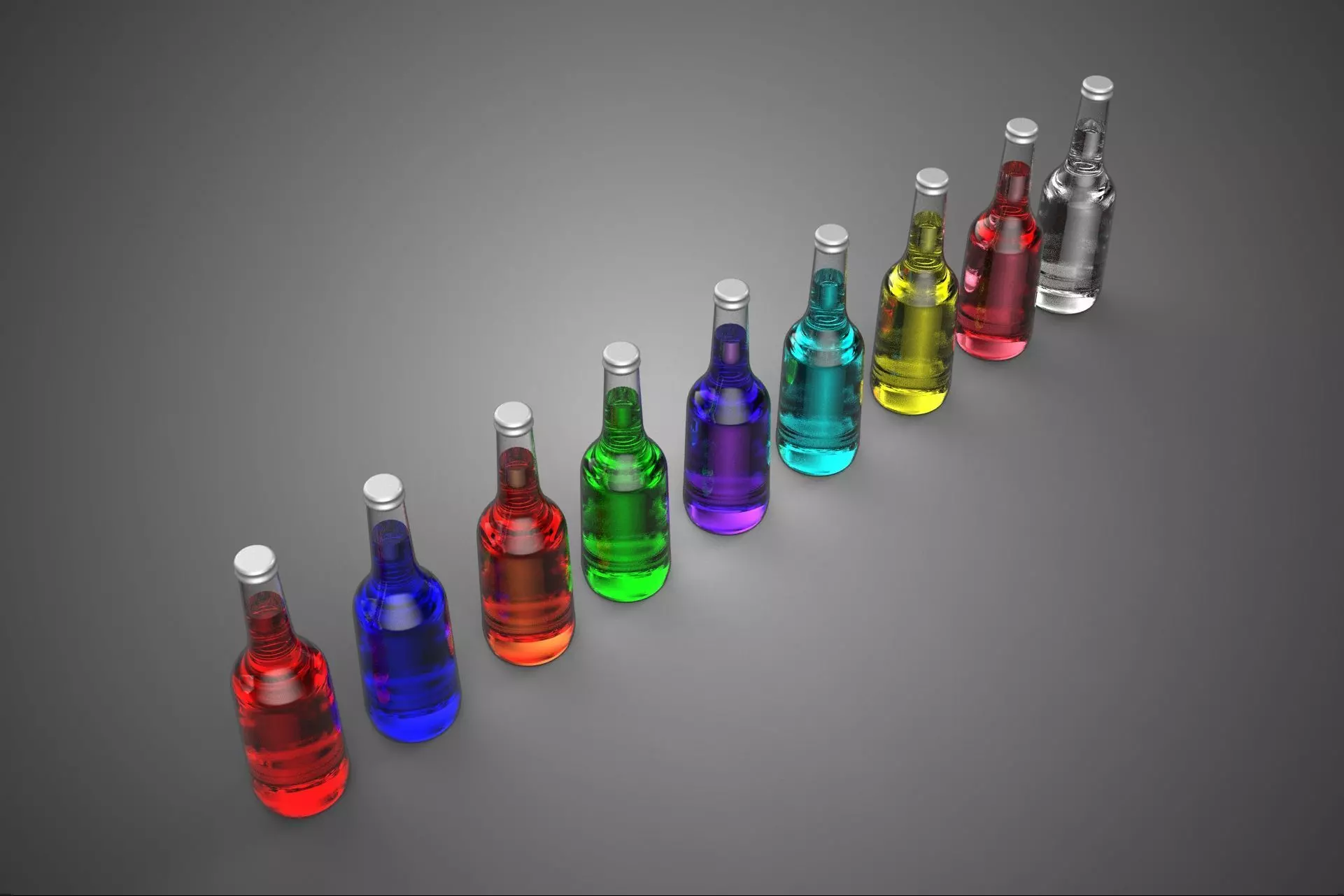
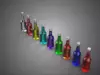
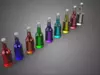
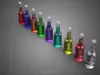
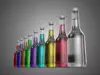
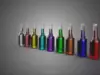
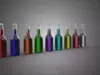
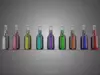
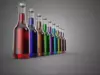
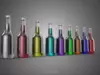
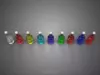
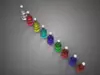
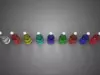
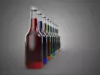
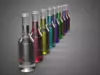
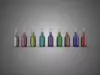
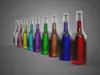
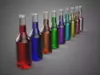
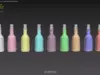
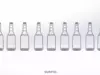
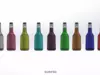
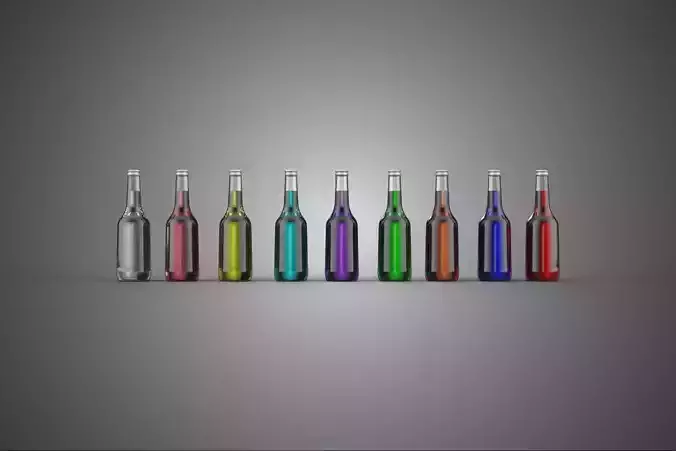
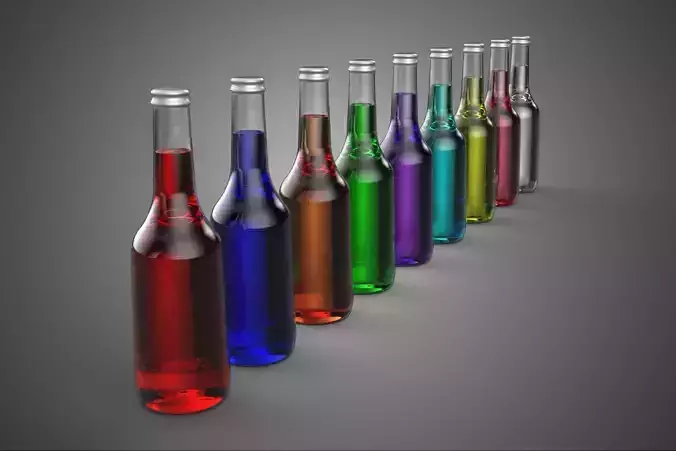
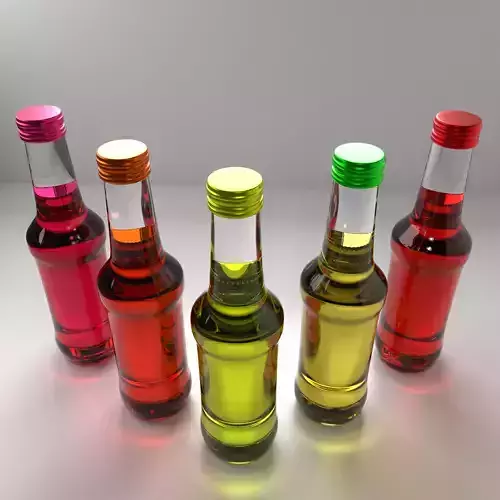
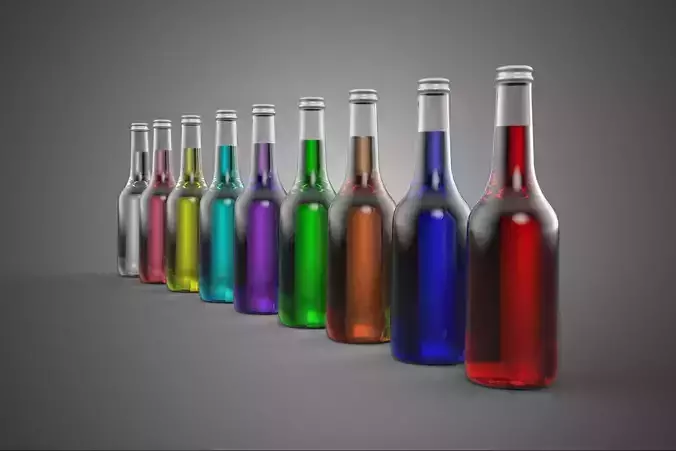
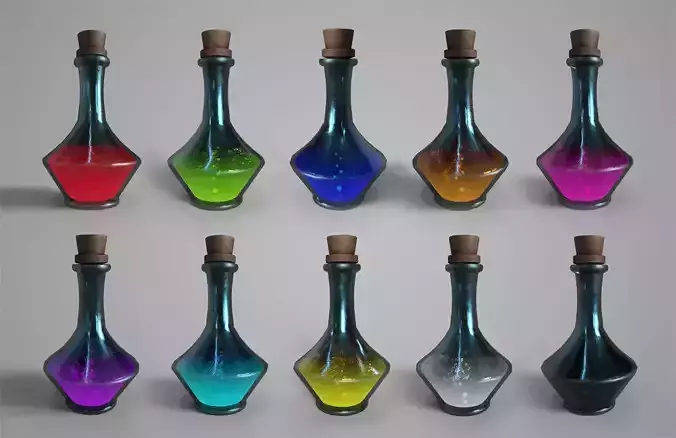
ZERO ALCOHOL FREE BEVERAGE DRINK LIQUID MOCKTAIL BOTTLE GLASS
A Zero Alcohol Free Beverage is defined as a consumable liquid product containing negligible or zero ethanol content, typically intended as an alternative or substitute for traditional alcoholic drinks. Regulatory standards governing the classification of alcohol-free vary internationally, but generally require the product to contain less than 0.5% Alcohol by Volume (ABV), and often stipulating 0.0% ABV for specific labeling claims such as 100% Alcohol-Free or Zero Proof.
Classification and Nomenclature
These products fall into several primary categories:
- De-alcoholized Equivalents: Beverages (such as beer or wine) produced through standard fermentation processes followed by the physical removal of ethanol. These often retain flavor compounds characteristic of their alcoholic counterparts but usually fall between 0.05% and 0.5% ABV.
- Zero-Proof Spirits/Alternatives: Highly complex liquids formulated entirely without fermentation, designed to mimic the texture, aroma, and botanical profile of traditional spirits (gin, whiskey, rum). These are constructed using distillation, maceration, or compounding of botanicals and generally maintain 0.0% ABV.
- Mocktails and Ready-to-Drink (RTD) Beverages: Pre-mixed, non-alcoholic cocktails (Mocktails) or sophisticated soft drinks that utilize specialized flavorings, acidulants, and functional ingredients. These RTDs are tailored for immediate consumption and often utilize complex layering to replace the flavor contribution of alcohol.
### Production and Methodology
The production of non-alcoholic liquids that mimic the sensory profile of alcohol necessitates specific technological processes to preserve volatile aromatic compounds while removing ethanol.
- Vacuum Distillation: This is the most common method for de-alcoholizing fermented products. By reducing pressure, ethanol evaporates at temperatures significantly lower than its standard boiling point (often between 30°C and 40°C), thereby minimizing the thermal damage to delicate flavors.
- Reverse Osmosis: A membrane filtration process where the fermented liquid is forced against a semipermeable membrane. Water and alcohol pass through, leaving behind flavor and color components. The separated water and flavor are then combined with water that has been filtered of alcohol.
- Controlled Fermentation: Utilizing specific yeast strains or controlling temperature/fermentation time to restrict ethanol production to trace levels (under 0.5% ABV) from the outset.
- Botanical Infusion and Compounding: For zero-proof spirits, botanicals are steeped in water or distilled to create a flavor base. The resulting aqueous solution is then compounded with natural oils, glycerin, or capsaicinoids (for perceived heat/mouthfeel) to simulate the viscosity and sensory effect of ethanol.
### Packaging and Presentation
The delivery formats (BOTTLE GLASS) are integral to the premium positioning of the category. Non-alcoholic beverages are commonly packaged in high-quality BOTTLE formats—glass being predominant for both RTDs and zero-proof spirits—to mirror the aesthetics and shelf presence of traditional alcoholic products. These containers often emphasize design and labeling to signify the premium nature and functional attributes of the liquid.
Service standards often demand the use of specific GLASS vessels (e.g., coupes, highball glasses, or rocks tumblers) to enhance the consumer experience, reinforcing the ritual and sophistication associated with traditional mixology and cocktail consumption. This focus on presentation helps integrate the Zero Alcohol category into social drinking environments without visual distinction from alcoholic servings.
### Market Relevance
The demand for non-alcoholic beverages has surged as part of a global trend toward mindful consumption, health consciousness, and sustained sobriety. These drinks appeal to consumers seeking reduced calorie intake, enhanced hydration, or participation in social drinking rituals without the psychoactive effects of ethanol. The market expansion reflects a move beyond simple carbonated soft drinks toward complex, adult-oriented flavor profiles.
KEYWORDS: Zero Proof, Non-Alcoholic, NA Beverage, Mocktail, De-alcoholized, Low ABV, Functional Beverage, Mindful Drinking, Sobriety, Ethanol-Free, Vacuum Distillation, Reverse Osmosis, Botanical Infusion, Spirit Alternative, Wine Alternative, Beer Alternative, Ready-to-Drink, RTD, Zero Sugar, Premiumization, Mixology, Designated Driver, Glassware, Bottled Drink, Non-Fermented, Flavor Profile, Hydration, Compound Distillate, Zero Proof Spirits, Mixer.