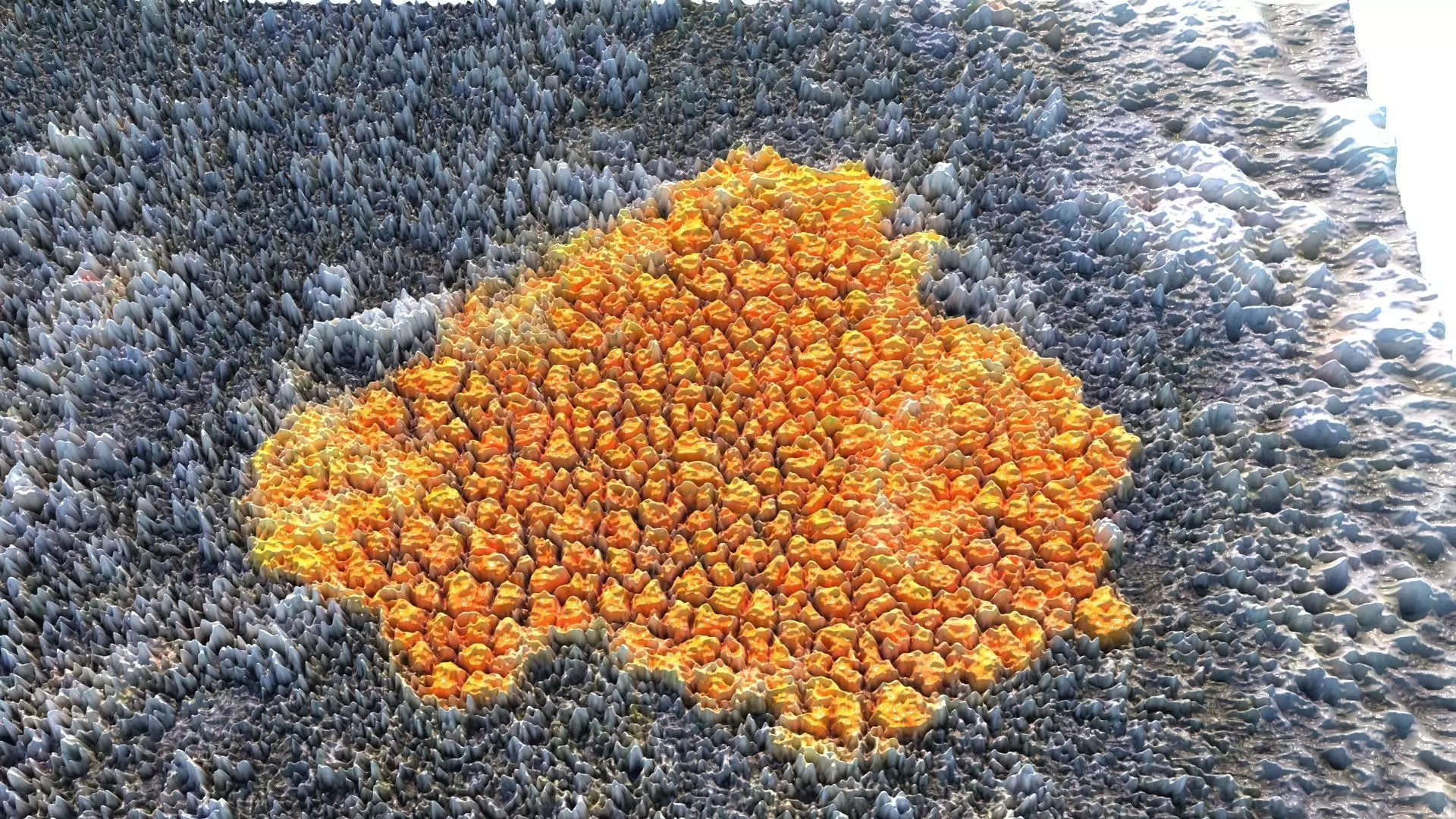
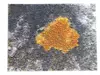
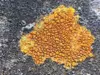
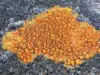
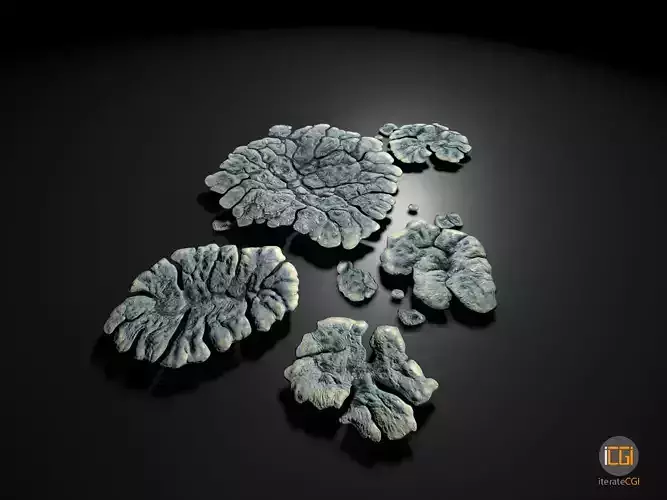
DescriptionA lichen is a hybrid colony of algae or cyanobacteria living symbiotically among filaments of multiple fungus species, along with bacteria embedded in the cortex or skin, in a mutualistic relationship. Lichens are the lifeform that first brought the term symbiosis (as Symbiotismus) into biological context. Lichens have since been recognized as important actors in nutrient cycling and producers which many higher trophic feeders feed on, such as reindeer, gastropods, nematodes, mites, and springtails. Lichens have properties different from those of their component organisms. They come in many colors, sizes, and forms and are sometimes plant-like, but are not plants. They may have tiny, leafless branches (fruticose) or flat, leaf-like structures (foliose); they may grow crust-like, adhering tightly to a surface (substrate) like a thick coat of paint (crustose), have a powder-like appearance (leprose), or feature other growth forms. A macrolichen is a lichen that is either bush-like or leafy; all other lichens are termed microlichens. Here, macro and micro do not refer to size, but to the growth form. Common names for lichens may contain the word moss (e.g., reindeer moss, Iceland moss), and lichens may superficially look like and grow with mosses, but they are not closely related to mosses or any plant. : 3 Lichens do not have roots that absorb water and nutrients as plants do, : 2 but like plants, they produce their own energy by photosynthesis. When they grow on plants, they do not live as parasites, but instead use the plant's surface as a substrate. Lichens occur from sea level to high alpine elevations, in many environmental conditions, and can grow on almost any surface. They are abundant growing on bark, leaves, mosses, or other lichens and hanging from branches living on thin air (epiphytes) in rainforests and in temperate woodland. They grow on rock, walls, gravestones, roofs, exposed soil surfaces, rubber, bones, and in the soil as part of biological soil crusts. Various lichens have adapted to survive in some of the most extreme environments on Earth: arctic tundra, hot dry deserts, rocky coasts, and toxic slag heaps. They can even live inside solid rock, growing between the grains (endolithic). There are about 20,000 known species. Some lichens have lost the ability to reproduce sexually, yet continue to speciate. They can be seen as being relatively self-contained miniature ecosystems, where the fungi, algae, or cyanobacteria have the potential to engage with other microorganisms in a functioning system that may evolve as an even more complex composite organism. Lichens may be long-lived, with some considered to be among the oldest living things. They are among the first living things to grow on fresh rock exposed after an event such as a landslide. The long life-span and slow and regular growth rate of some species can be used to date events (lichenometry). Lichens are a keystone species in many ecosystems and benefit trees and birds.
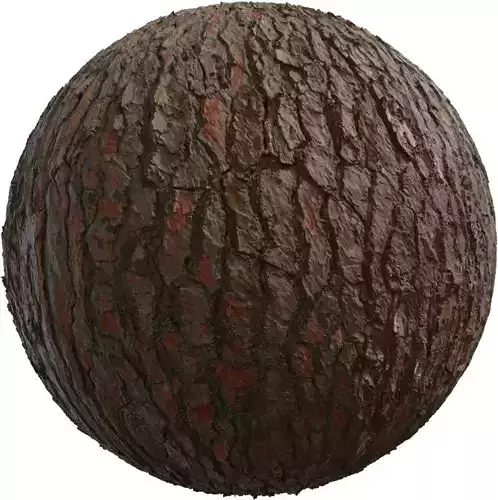
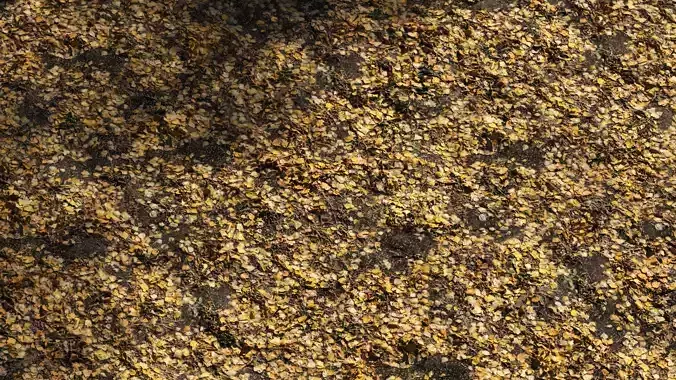
Texture Resolution: 1024 x 814