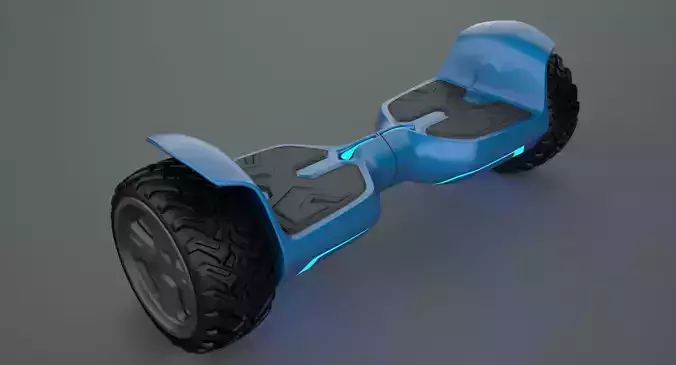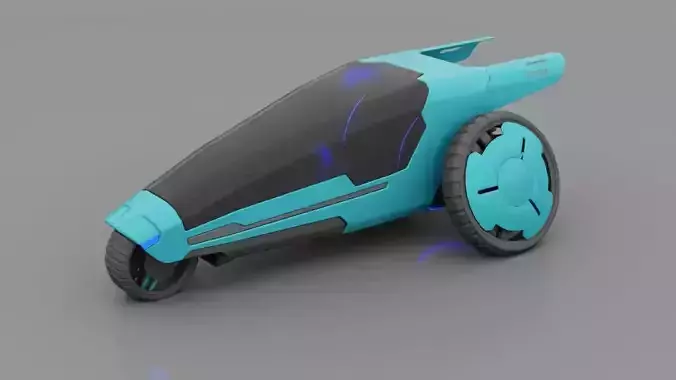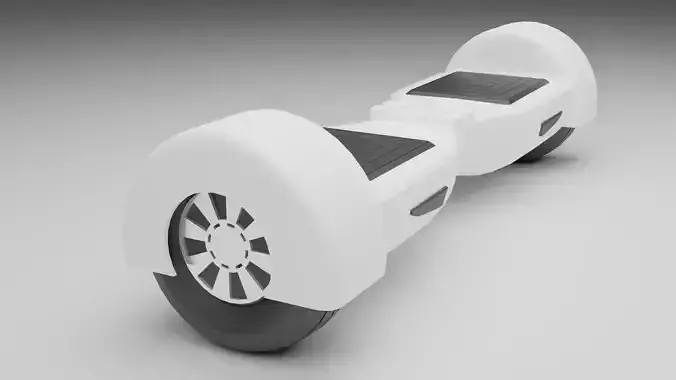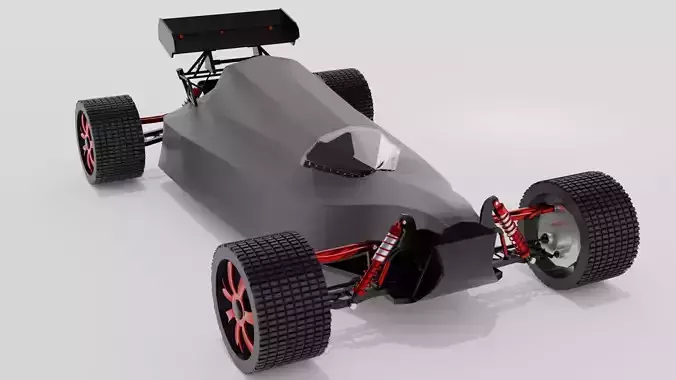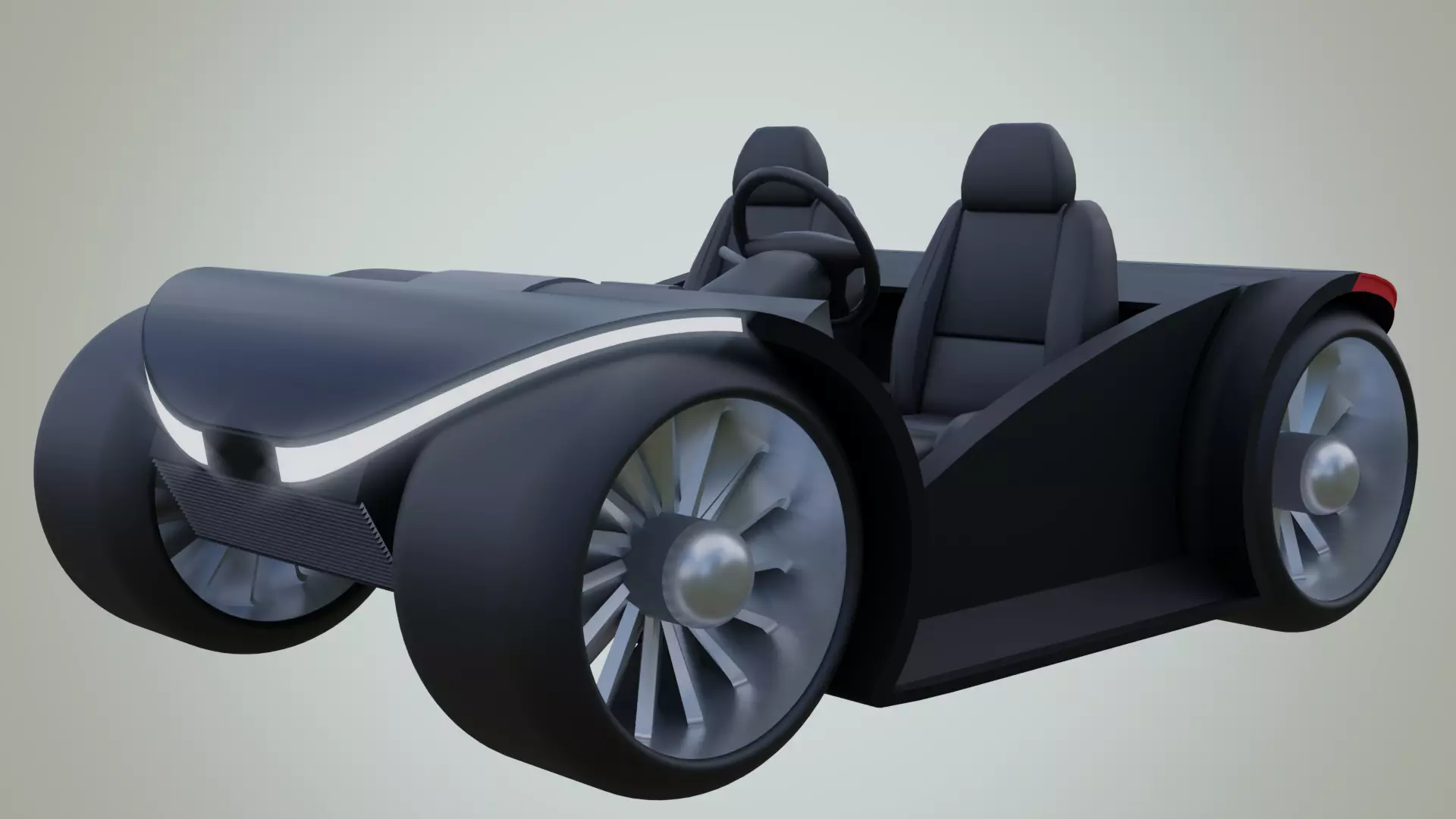
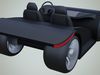
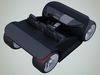
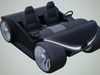
DESCRIPTION

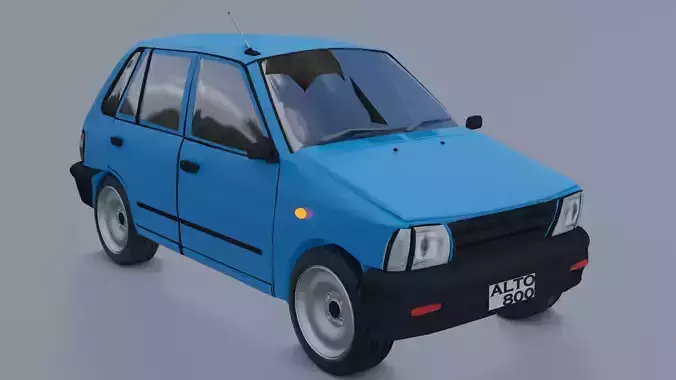
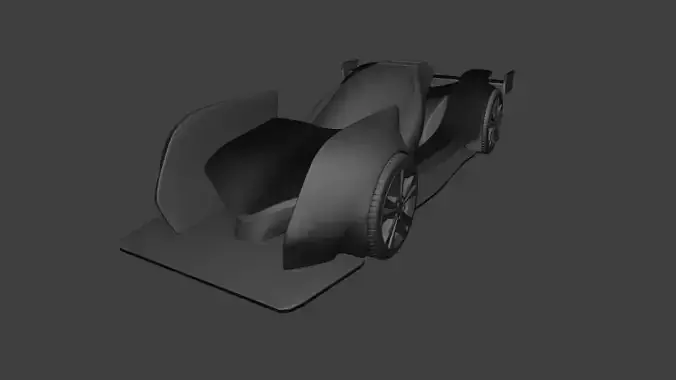
Mountain Car, a standard testing domain in Reinforcement Learning, is a problem in which an under-powered car must drive up a steep hill. Since gravity is stronger than the car's engine, even at full throttle, the car cannot simply accelerate up the steep slope. The car is situated in a valley and must learn to leverage potential energy by driving up the opposite hill before the car is able to make it to the goal at the top of the rightmost hill. The domain has been used as a test bed in various Reinforcement Learning papers.The mountain car problem appeared first in Andrew Moore's PhD Thesis (1990).[1] It was later more strictly defined in Singh and Sutton's Reinforcement Leaning paper with eligibility traces.The problem became more widely studied when Sutton and Barto added it to their book Reinforcement Learning: An Introduction (1998). Throughout the years many versions of the problem have been used, such as those which modify the reward function, termination condition, and/or the start state.A car is on a one-dimensional track, positioned between two mountains. The goal is to drive up the mountain on the right; however, the car's engine is not strong enough to scale the mountain in a single pass. Therefore, the only way to succeed is to drive back and forth to build up momentum.

REVIEWS & COMMENTS

See what other buyers think about this model - real feedback on quality,
accuracy, and usability.
There are no reviews or comments yet. Please be the first one to write it.

MOUNTAIN CAR Free low-poly 3D model

Royalty Free License (no AI)
Hire
Like this model to show appreciation to the designer.
See how many times this model was viewed.
Share this model to support the designer and boost their visibility.
Native file format
BLEND
Size: 584 KB
Renderer: Cycles | 2.81
Exchange formats
OBJ
OBJ<br />File Size: 3.6 MB
FBX
Autodesk FBX<br />File Size: 1.55 MB
STL
Stereolithography<br />File Size: 2.68 MB
SLDPRT
SolidWorks<br />File Size: 1.57 MB
Provided by designer
Information and details shared directly by the model's designer.
3D Features
The model includes animations (movement or actions) that can be played in supported software or engines.
The model has a skeleton or bone structure, making it ready for posing or animation.
PBR
Uses Physically Based Rendering materials, which give the model realistic lighting and surface properties.
Textures
The model includes image files (textures) that add color, patterns, or detail to its surfaces.
Materials
The model has material settings that define how surfaces look (color, shine, transparency, etc.).
UV Mapping
The model's surfaces are mapped to a 2D image, allowing textures to display correctly.
Plugins Used
Some external plugins were used to create the model. These may be required for full functionality.
3D printing
Indicates whether the designer marked this model as suitable for 3D printing.
Model is not 3D printable
The designer indicates this model is intended for digital use only (rendering, animation, or AR/VR) and not for 3D printing.
Geometry
Polygon mesh
A model built from polygons (triangles or quads) connected in a mesh.
49493 polygons
The total number of polygons (flat shapes) that make up the 3D model.
/ 28112 vertices
The number of points (corners) that define the shape of the model's polygons.
Unwrapped UVs
Publish date
Model ID
Chat