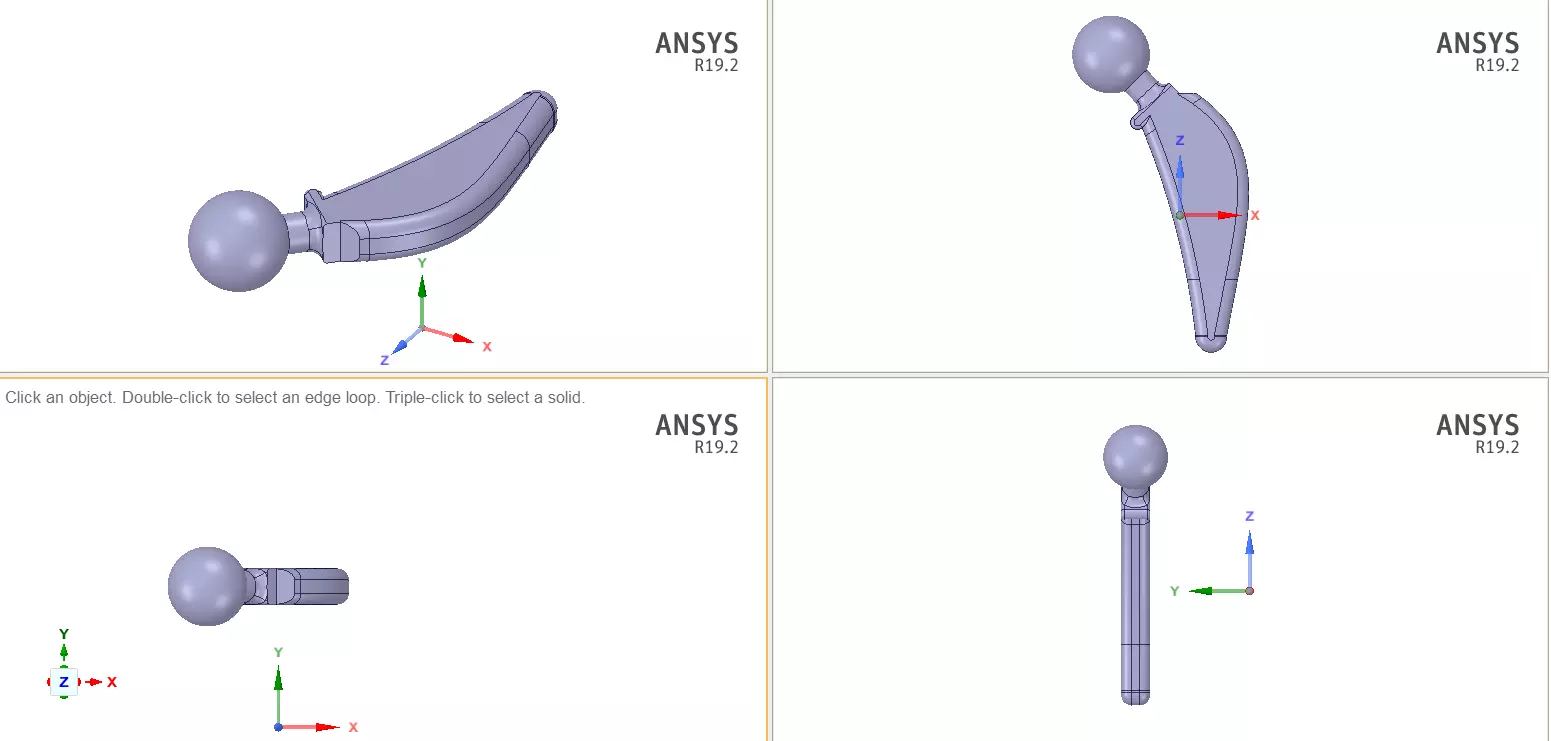
Hip implants, or prostheses, are medical devices replacing a damaged hip joint, typically involving a metal stem with a ball for the thigh bone (femur) and a metal cup with a liner (plastic, ceramic) for the hip socket (acetabulum) to allow smooth movement, used in surgeries for pain relief from arthritis or injury, with various materials and fixation methods chosen by surgeons. ComponentsStem: A metal (often titanium) component inserted into the femur. Ball: A metal or ceramic ball that sits on the stem, replacing the femoral head. Cup: A metal cup (usually titanium) fixed into the pelvis. Liner: A plastic (polyethylene), ceramic, or metal liner inside the cup that allows the ball to glide smoothly. Types (Bearing Surfaces)Metal-on-Polyethylene: Metal ball with a plastic liner (common). Ceramic-on-Polyethylene: Ceramic ball with a plastic liner. Ceramic-on-Ceramic: Ceramic ball with a ceramic liner (very hard). Metal-on-Metal: Metal ball with a metal liner (less common now due to FDA concerns). Fixation MethodsCemented: Uses bone cement to fix the implant. Uncemented (Press-fit): The implant has a porous surface that bone grows into for fixation. Purpose & ProcedureReplaces a diseased or damaged hip joint, usually due to osteoarthritis, rheumatoid arthritis, or fractures, relieving pain and restoring mobility.Can be a total hip replacement (both sides) or partial (just the ball). MaterialsCommonly uses biocompatible metals like titanium, cobalt-chromium alloys, and ceramics, chosen for strength and wear resistance.