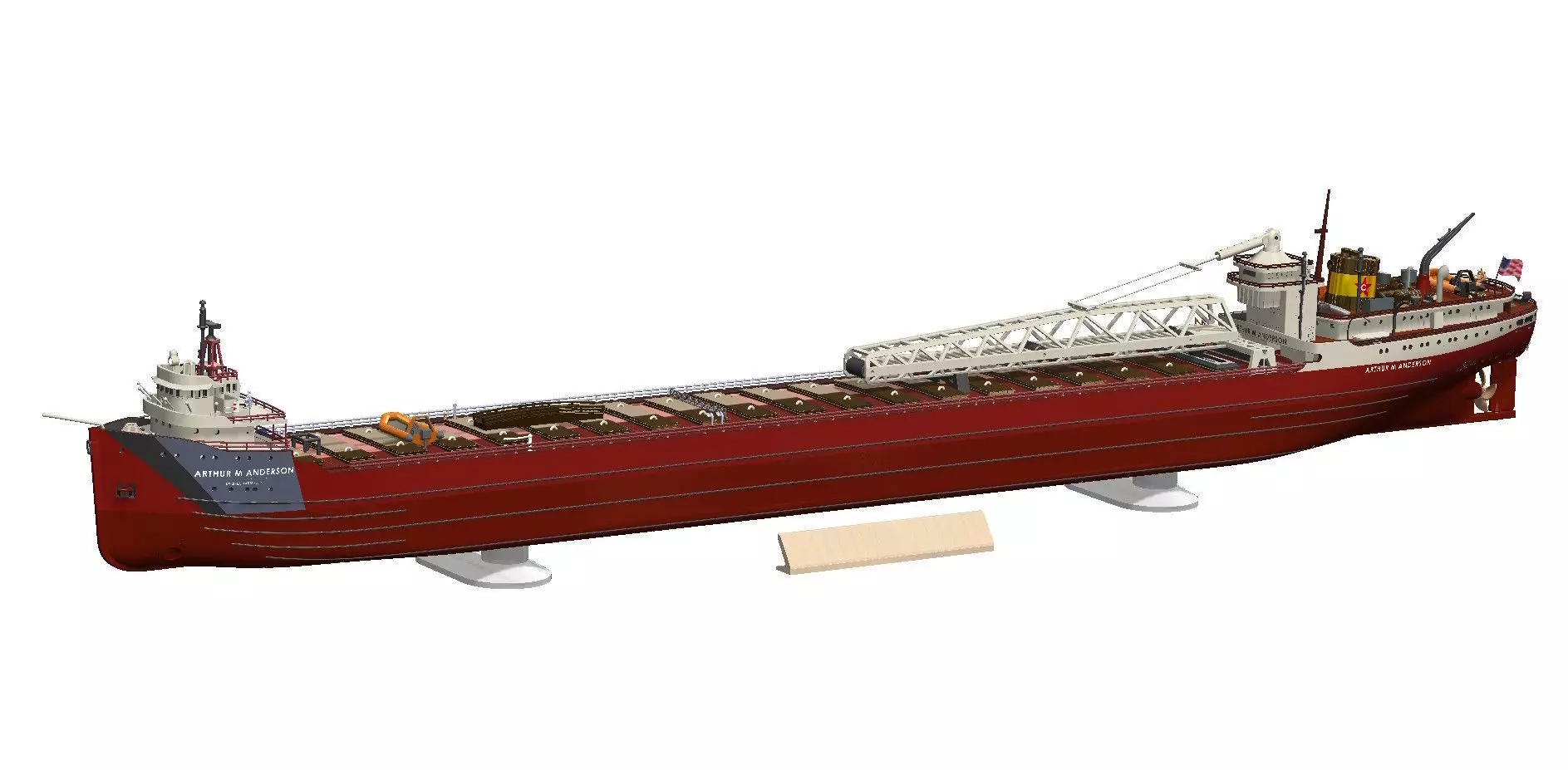
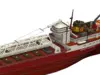
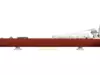
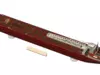
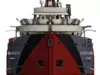
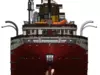
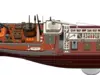
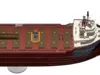
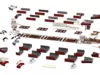
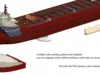
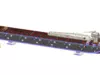
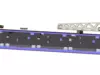
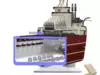
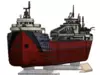
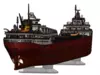
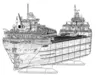
This large-scale 3D printable model represents the Arthur M. Anderson, designed as a highly detailed and modular interpretation of a classic Great Lakes bulk carrier. With an overall length of approximately 1.5 meters, the model is conceived as a serious, long-term build aimed at experienced modelers who enjoy complex assemblies and large-format projects. The structure is fully modular, allowing the vessel to be built in manageable sections while preserving accurate proportions and a strong visual presence once assembled. When completed, the model can exceed 200 individual parts, making it a demanding but deeply rewarding project for builders seeking something well beyond a casual print.
The model features an empty interior, offering flexibility for custom projects, structural experimentation, or future upgrades, and includes four human figurines inspired by real individuals, adding scale reference and narrative character to the finished ship. This is very much a model for committed builders—careful planning, test fitting, and patience are expected, and the design is intentionally not simplified to suit beginners. The reward is a striking centerpiece model with substantial physical presence and authenticity.
3D printing settingsPrinting and assembly are optimized for standard desktop 3D printers through careful part segmentation, though the overall size and part count place this project firmly in the advanced category. PLA or PETG is recommended for most structural parts, with a layer height around 0.2 mm for a good balance between detail and print time. Parts are designed to be assembled using adhesive and mechanical alignment features, and builders are encouraged to approach the project in stages. While primarily intended as a display model, the empty hull and modular construction leave room for skilled builders to explore custom modifications. This is not a model for the faint-hearted—but for those who take it on, it offers a truly immersive and impressive build experience.