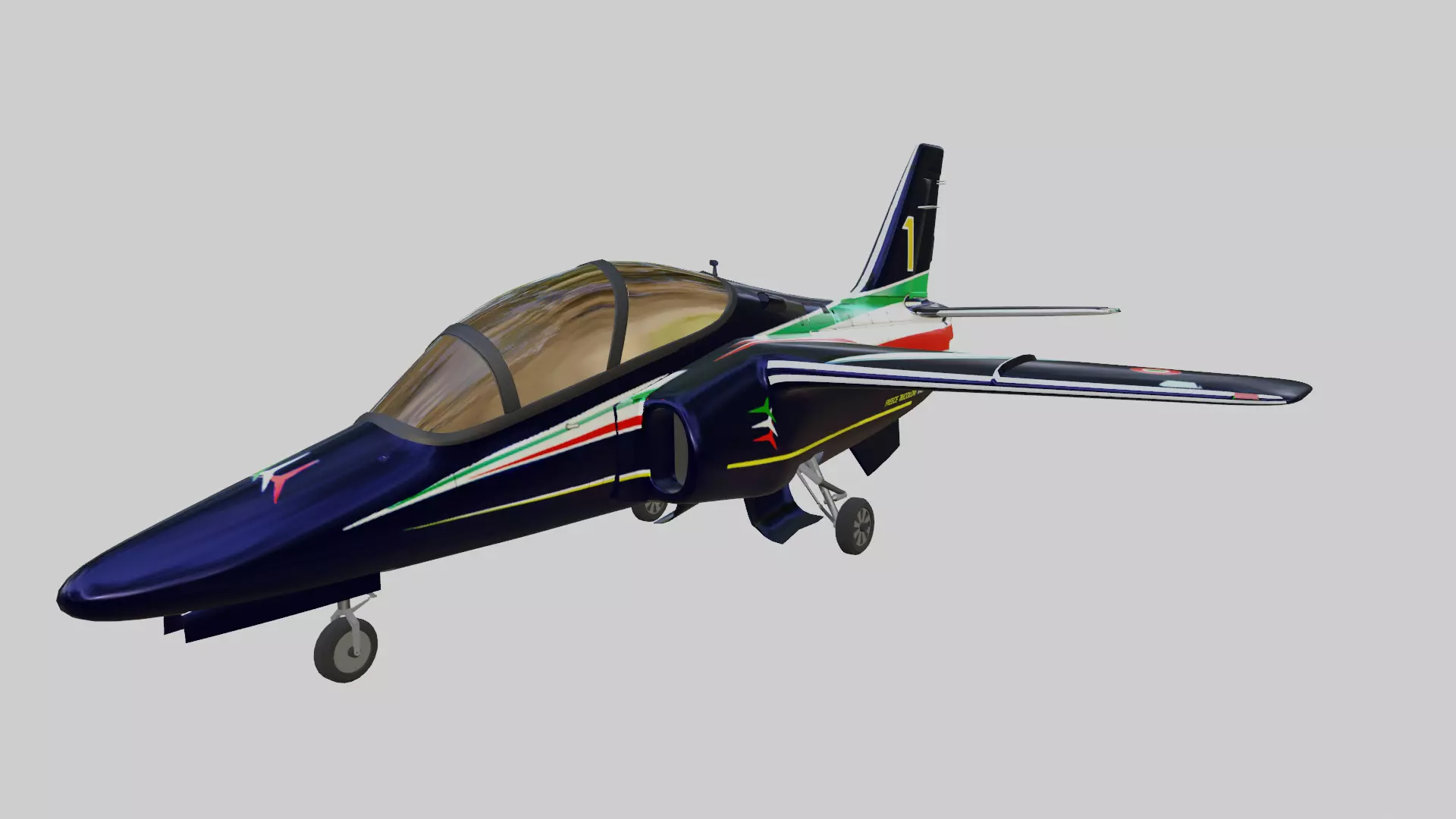
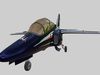
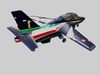
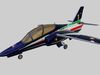
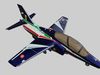
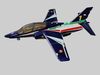
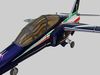
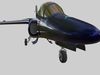
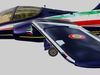
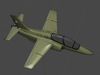
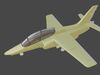
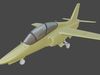
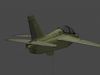
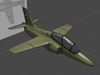
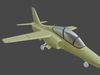
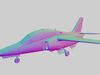
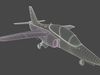
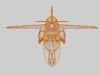
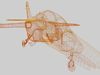
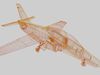
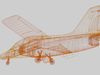
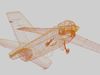
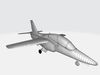
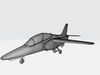
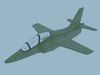
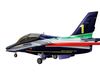
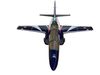
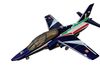
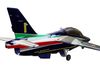
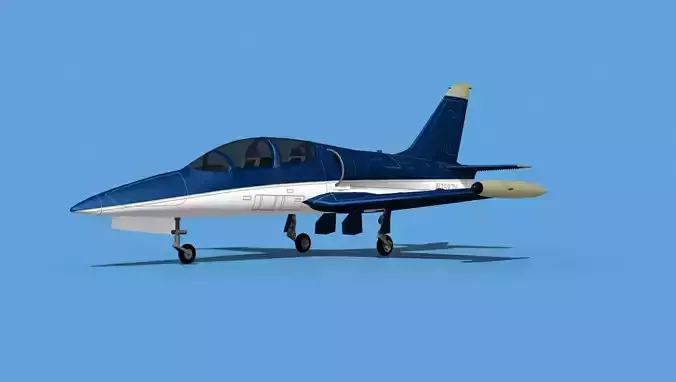
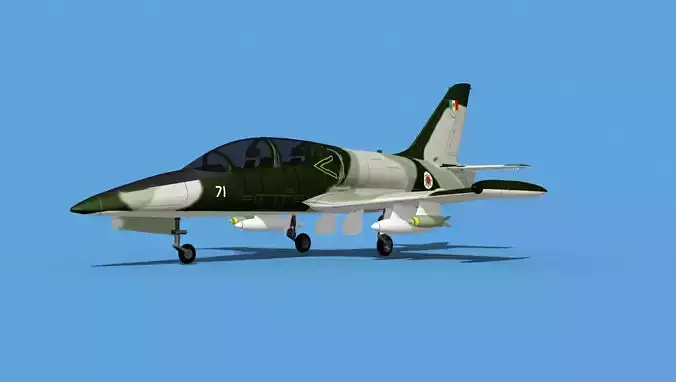
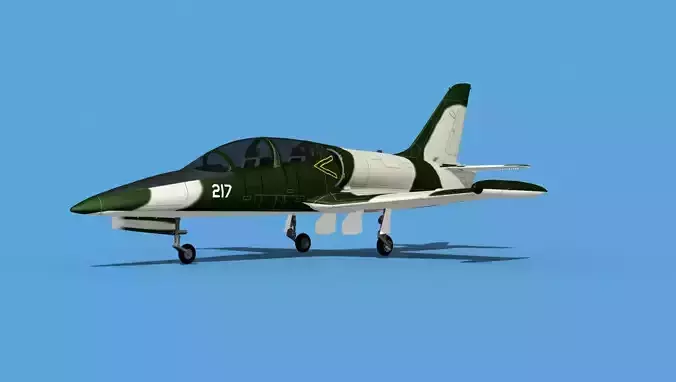
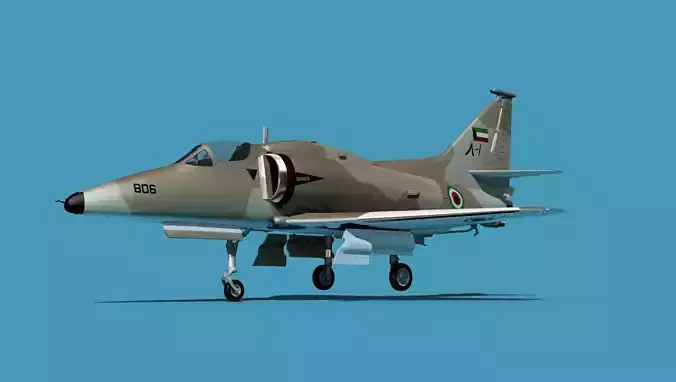
Perfect for use in games and simulation projects.
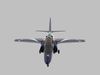
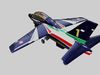
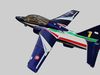
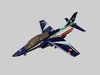
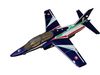
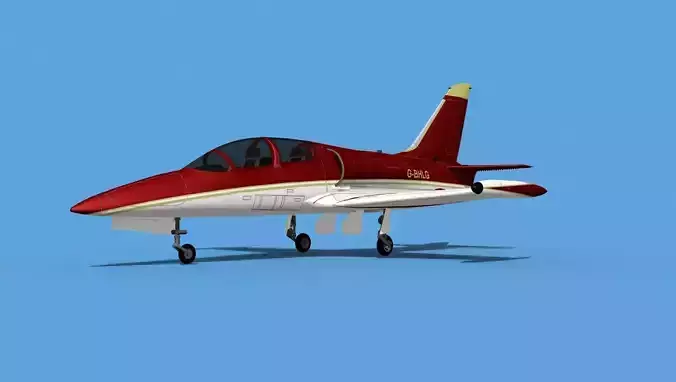
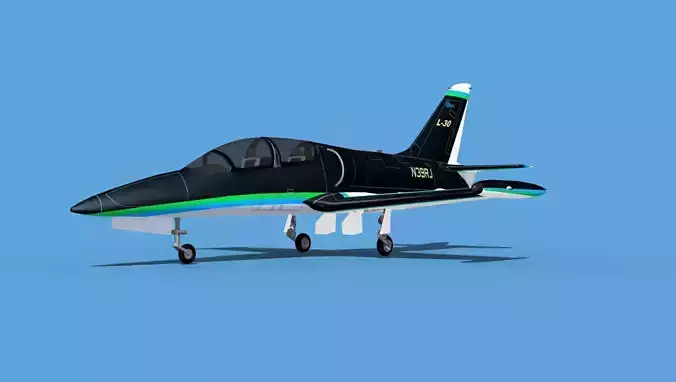
The Aermacchi M-345 is a turbofan-powered military trainer aircraft designed and produced by the Italian defense conglomerate Leonardo S.p.A. It represents the latest evolution of the SIAI-Marchetti S.211, known for its simplicity and cost-effectiveness in pilot training programs. The development of the M-345 was driven by the need for an advanced trainer that could bridge the gap between basic trainers and more sophisticated front-line fighter trainers. Leonardo aimed to deliver an aircraft that combines high performance with low operating costs, making it an attractive option for air forces worldwide.
The M-345 features a Pratt & Whitney Canada PW615 turbofan engine, providing a significant power boost over the piston and turboprop engines typically used in basic trainers. This engine ensures better performance and efficiency, crucial for advanced pilot training. The aircraft's design incorporates modern avionics and a digital glass cockpit, which includes multi-function displays and head-up displays, mirroring the systems found in contemporary fighter jets. This allows trainee pilots to transition more seamlessly to frontline aircraft.
The M-345's maiden flight took place on 29 December 2016, marking a significant milestone in its development. This flight demonstrated the aircraft's basic handling characteristics and performance parameters, setting the stage for subsequent testing and evaluation. Just one month after its first flight, the Italian Air Force placed the first order for the M-345, signaling strong domestic confidence in the aircraft. This initial order was a critical endorsement for Leonardo, highlighting the aircraft's potential to meet the rigorous demands of modern military pilot training programs.
The first production-standard M-345 was flown from Venegono Superiore, Leonardo's test and production facility, in December 2018. This version incorporated refinements and enhancements based on feedback from the initial flight tests and ongoing evaluations. By December 2020, the M-345 had entered service with the Italian Air Force, replacing the aging MB-339 trainers. The MB-339 had served as the backbone of Italy's jet training fleet for decades, and its replacement with the M-345 underscored the latter's advanced capabilities and the trust placed in it by the Italian military.
The M-345 is designed to perform a variety of training roles, from basic flight instruction to more advanced training missions. Its performance allows for aerobatic maneuvers, formation flying, and tactical training exercises. Additionally, the aircraft can be equipped with external stores, such as practice bombs and rockets, to provide weapons training. One of the key selling points of the M-345 is its cost-effectiveness. Leonardo has emphasized that the operating costs of the M-345 are comparable to those of high-end turboprop trainers, while offering the performance benefits of a jet engine. This combination of low operational costs and high performance makes the M-345 a versatile and attractive option for air forces looking to modernize their training fleets.
Leonardo is actively marketing the M-345 to various air forces around the world, positioning it as a competitive choice for countries looking to enhance their pilot training capabilities. The aircraft's modern avionics, coupled with its jet performance and cost efficiency, are key factors in its appeal. The future of the M-345 looks promising as more countries seek to upgrade their training programs to better prepare pilots for the demands of modern air combat. Leonardo's ongoing efforts to secure additional international orders will likely ensure the M-345's place in the global market for military training aircraft.
In summary, the Aermacchi M-345 by Leonardo S.p.A. represents a significant advancement in military training aircraft, combining the legacy of the S.211 with modern technology and performance enhancements. Its successful integration into the Italian Air Force and potential for international adoption highlight its role as a cornerstone of future pilot training programs.
Formats include: .BLEND, .OBJ, .FBX.
Feel free to check out the other models, just click on the user name to see the complete portfolio.