High-quality 3D assets at affordable prices — trusted by designers, engineers, and creators worldwide. Made with care to be versatile, accessible, and ready for your pipeline.
Included File Formats
This model is provided in 14 widely supported formats, ensuring maximum compatibility:
• - FBX (.fbx) – Standard format for most 3D software and pipelines
• - OBJ + MTL (.obj, .mtl) – Wavefront format, widely used and compatible
• - STL (.stl) – Exported mesh geometry; may be suitable for 3D printing with adjustments
• - STEP (.step, .stp) – CAD format using NURBS surfaces
• - IGES (.iges, .igs) – Common format for CAD/CAM and engineering workflows (NURBS)
• - SAT (.sat) – ACIS solid model format (NURBS)
• - DAE (.dae) – Collada format for 3D applications and animations
• - glTF (.glb) – Modern, lightweight format for web, AR, and real-time engines
• - 3DS (.3ds) – Legacy format with broad software support
• - 3ds Max (.max) – Provided for 3ds Max users
• - Blender (.blend) – Provided for Blender users
• - SketchUp (.skp) – Compatible with all SketchUp versions
• - AutoCAD (.dwg) – Suitable for technical and architectural workflows
• - Rhino (.3dm) – Provided for Rhino users
Model Info
• - All files are checked and tested for integrity and correct content
• - Geometry uses real-world scale; model resolution varies depending on the product (high or low poly)
• • - Scene setup and mesh structure may vary depending on model complexity
• - Rendered using Luxion KeyShot
• - Affordable price with professional detailing
Buy with confidence. Quality and compatibility guaranteed.
If you have any questions about the file formats, feel free to send us a message — we're happy to assist you!
Sincerely,
SURF3D
Trusted source for professional and affordable 3D models.
More Information About 3D Model :
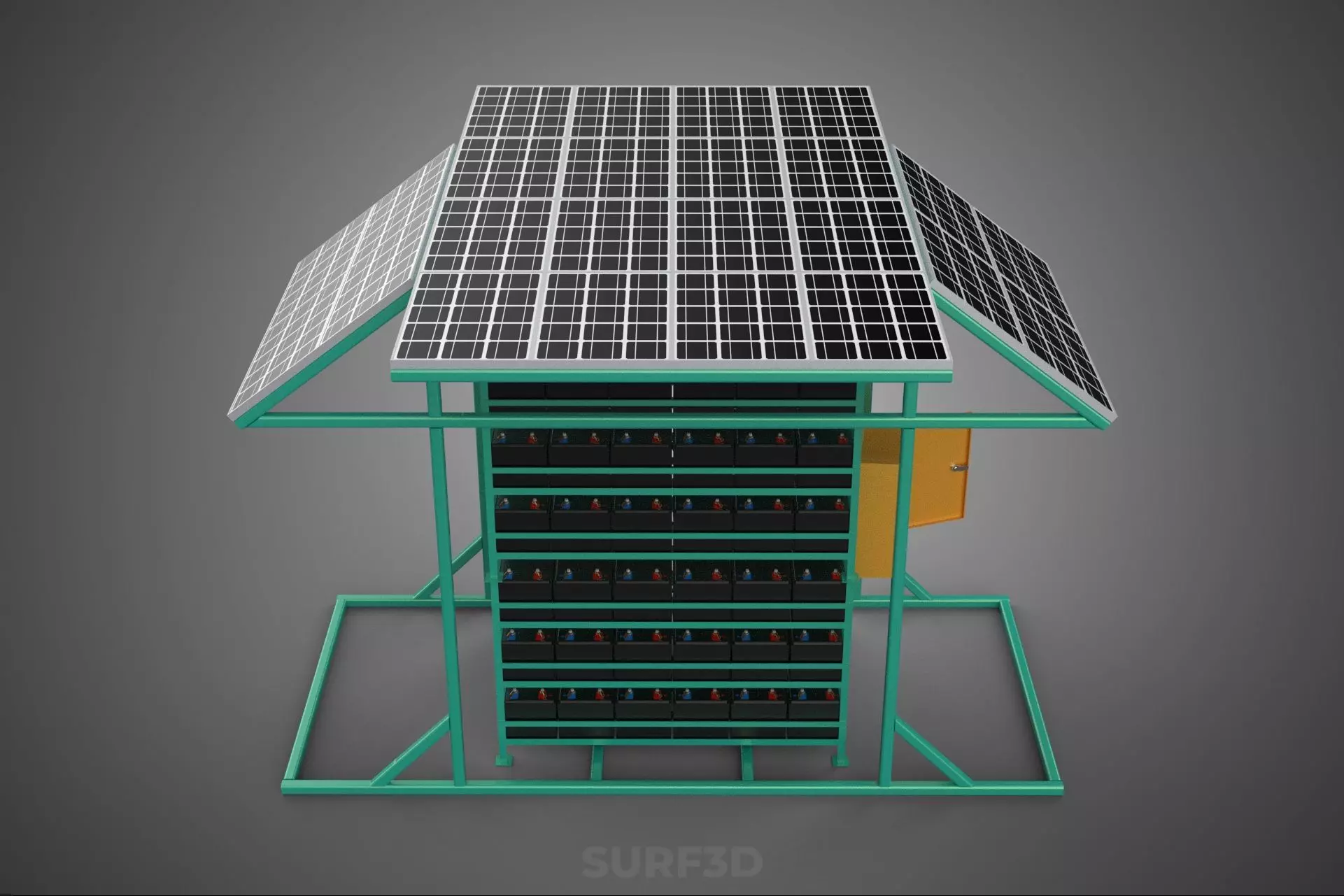
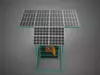
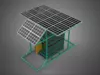
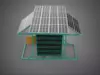
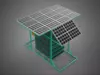
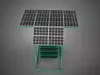
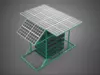
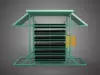
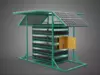
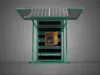
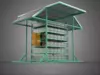
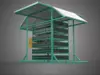
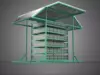
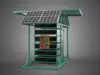
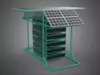
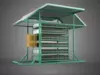
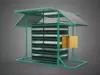
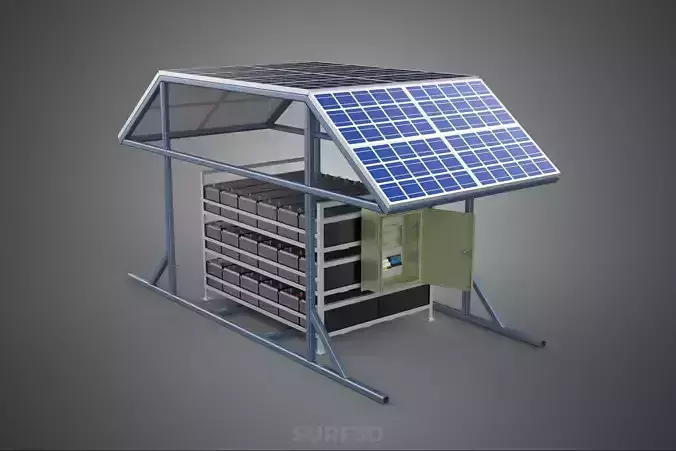
Solar-Powered Generator with Battery Energy Storage
A solar-powered generator with battery energy storage, commonly referred to as a solar generator or portable power station, represents an advanced electrical power generation and storage system that operates independently of internal combustion engines. This device specifically harnesses solar radiation as its primary energy source, converting it into usable electricity via photovoltaic (PV) technology and storing it in an integrated battery pack for later demand. Its design is predicated on principles of renewable energy utilization, environmental sustainability, and silent operation, offering a clean alternative to traditional fossil fuel-dependent generators.
Principle of Operation
The operational framework of a solar generator is orchestrated through the synergy of several core components:
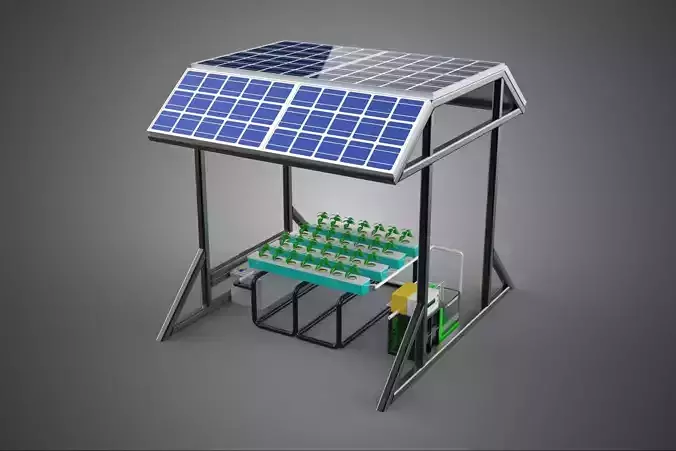
- Solar Panels (Photovoltaic Arrays): These are the energy capture units, typically external and foldable or integrated into the generator chassis. Comprising numerous photovoltaic cells, they convert incident sunlight directly into direct current (DC) electricity through the photoelectric effect. The efficiency of this conversion is influenced by factors such as panel material, solar irradiance levels, and ambient temperature.
- Charge Controller: Positioned between the solar panels and the battery pack, the charge controller is essential for regulating the flow of electricity. Its primary functions include preventing battery overcharging, which can degrade battery life, and optimizing the charging process to maximize energy harvest from the solar panels. Advanced charge controllers frequently incorporate Maximum Power Point Tracking (MPPT) technology to dynamically adjust voltage and current, ensuring peak power extraction under varying environmental conditions.
- Battery Pack (Energy Storage System): This central component consists of one or more rechargeable batteries, predominantly lithium-ion (Li-ion) for their high energy density and cycle life, though lead-acid and other chemistries may also be used. The battery pack stores the DC electricity generated by the solar panels. Its capacity, usually specified in watt-hours (Wh) or kilowatt-hours (kWh), dictates the duration and amount of power that can be supplied. An integrated Battery Management System (BMS) continuously monitors critical parameters such as voltage, current, temperature, and state of charge, ensuring safe operation, cell balancing, and protection against over-discharge or short-circuiting.
- Inverter: To make the stored DC power compatible with most household appliances and electronic devices, which require alternating current (AC), an inverter is crucial. It converts the DC electricity from the battery pack into AC power at the required voltage and frequency (e.g., 120V/60Hz or 230V/50Hz). High-quality units utilize pure sine wave inverters, which produce a clean, stable waveform essential for sensitive electronics, preventing potential damage and ensuring optimal performance.
- Output Ports: The generator provides a variety of output interfaces to accommodate diverse electrical loads. These typically include standard AC outlets, DC ports (e.g., 12V automotive-style sockets), and USB ports (Type-A, Type-C, Power Delivery) for charging mobile devices.
Key Characteristics and Advantages
- Environmental Sustainability: Operating without fossil fuels, solar generators produce zero greenhouse gas emissions during use, significantly reducing their ecological footprint.
- Silent Operation: Lacking moving mechanical parts and combustion processes, these generators operate almost silently, rendering them suitable for indoor use, residential areas, and noise-sensitive environments like camping sites or nature preserves.
- Fuel Independence and Low Operational Costs: After the initial capital outlay, the fuel (sunlight) is free, eliminating recurring costs associated with purchasing and storing fuel.
- Portability and Versatility: Available in a range of sizes and power outputs, many solar generators are designed for portability, facilitating their use in diverse settings from personal electronic charging to powering small off-grid structures.
- Reduced Maintenance: With fewer mechanical components compared to engine-driven generators, solar power systems typically require minimal maintenance.
- Safety for Indoor Use: The absence of exhaust fumes, carbon monoxide, and flammable fuels makes solar generators safe for indoor deployment during power outages, eliminating the ventilation concerns associated with traditional generators.
Limitations
- Intermittency of Solar Input: Power generation is contingent upon sunlight availability. Performance can be compromised or halted during night-time, heavily overcast conditions, or significant shading.
- Initial Capital Cost: The upfront investment for photovoltaic panels and high-capacity battery packs, especially lithium-ion, can be higher than for similarly rated internal combustion engine generators.
- Recharge Time: Fully recharging the battery pack exclusively via solar panels can be a time-consuming process, lasting several hours to a full day, depending on solar irradiance, panel efficiency, and battery capacity. Many units offer supplementary charging via grid power or vehicle DC outlets to mitigate this.
- Weight and Size: For systems designed to deliver substantial power output and extended runtimes, the combined weight and volume of the battery pack and other components can limit portability.
Applications
Solar-powered generators find extensive utility across numerous sectors:
- Off-Grid Living: Providing essential electricity for remote cabins, tiny homes, and isolated facilities beyond the reach of conventional power grids.
- Emergency Backup Power: Offering a reliable and readily deployable power source for critical appliances during utility outages caused by natural disasters or infrastructure failures.