High-quality 3D assets at affordable prices — trusted by designers, engineers, and creators worldwide. Made with care to be versatile, accessible, and ready for your pipeline.
Included File Formats
This model is provided in 14 widely supported formats, ensuring maximum compatibility:
• - FBX (.fbx) – Standard format for most 3D software and pipelines
• - OBJ + MTL (.obj, .mtl) – Wavefront format, widely used and compatible
• - STL (.stl) – Exported mesh geometry; may be suitable for 3D printing with adjustments
• - STEP (.step, .stp) – CAD format using NURBS surfaces
• - IGES (.iges, .igs) – Common format for CAD/CAM and engineering workflows (NURBS)
• - SAT (.sat) – ACIS solid model format (NURBS)
• - DAE (.dae) – Collada format for 3D applications and animations
• - glTF (.glb) – Modern, lightweight format for web, AR, and real-time engines
• - 3DS (.3ds) – Legacy format with broad software support
• - 3ds Max (.max) – Provided for 3ds Max users
• - Blender (.blend) – Provided for Blender users
• - SketchUp (.skp) – Compatible with all SketchUp versions
• - AutoCAD (.dwg) – Suitable for technical and architectural workflows
• - Rhino (.3dm) – Provided for Rhino users
Model Info
• - All files are checked and tested for integrity and correct content
• - Geometry uses real-world scale; model resolution varies depending on the product (high or low poly)
• • - Scene setup and mesh structure may vary depending on model complexity
• - Rendered using Luxion KeyShot
• - Affordable price with professional detailing
Buy with confidence. Quality and compatibility guaranteed.
If you have any questions about the file formats, feel free to send us a message — we're happy to assist you!
Sincerely,
SURF3D
Trusted source for professional and affordable 3D models.
More Information About 3D Model :
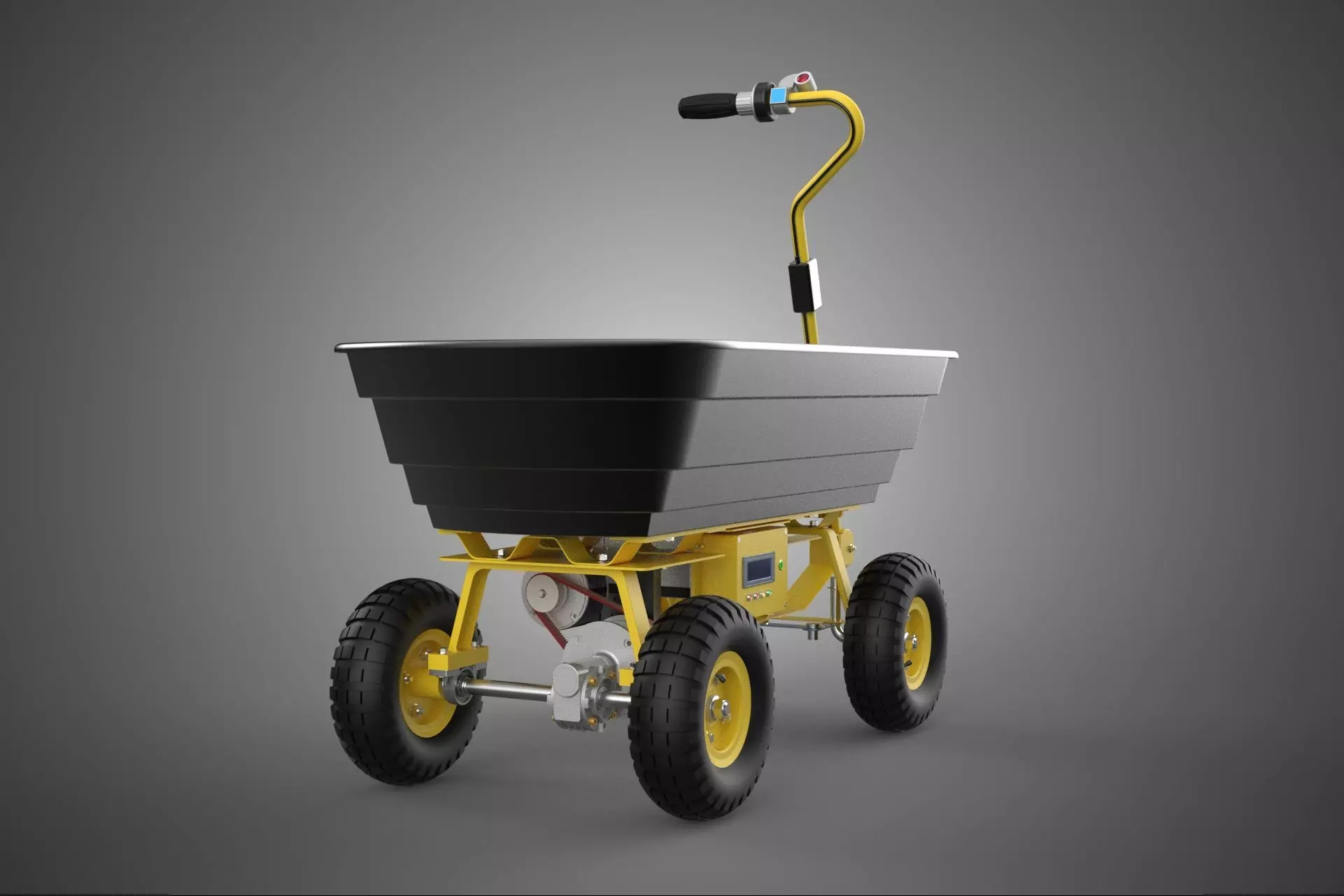
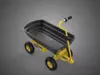
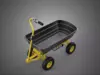
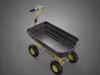
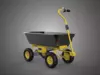
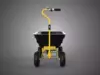
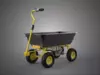
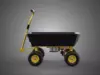
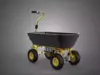
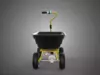
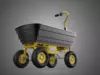
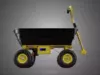
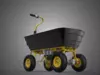
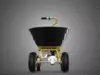
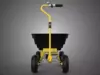
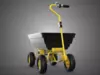
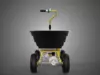
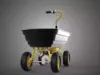
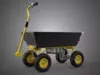
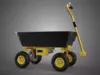
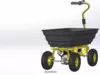
An Electric Motor Cart, Trolley, or Wagon for Agricultural Material Handling is a specialized, battery-electric powered utility vehicle designed for the efficient, quiet, and emission-free transport of various materials within agricultural settings. These devices leverage electric motors for propulsion, eliminating the need for internal combustion engines and offering significant operational advantages in controlled environments such as greenhouses, nurseries, orchards, vineyards, and smaller farm operations. The nomenclature varies (cart, trolley, wagon) often reflecting slight differences in design, size, or primary mode of operation (e.g., walk-behind vs. ride-on, flatbed vs. specialized container), but all share the core function of powered material conveyance.
Design and Components:
These vehicles typically consist of a robust chassis, a rechargeable battery bank, one or more electric motors, a control system, and a cargo platform or bed.
- Electric Motor: Often a DC brushless motor, providing torque for propulsion. Motor sizes vary based on payload capacity and desired speed, typically ranging from a few hundred watts to several kilowatts.
- Battery System: Predominantly lead-acid or lithium-ion batteries power the motor and auxiliary systems. Lithium-ion batteries are increasingly common due to their higher energy density, longer cycle life, and faster charging capabilities, though lead-acid remains a cost-effective option. Battery capacity dictates operational range and runtime.
- Chassis and Wheels: Constructed from steel or aluminum, designed for durability in agricultural environments. Wheels are typically pneumatic for improved traction and cushioning on uneven terrain, or solid rubber for smooth indoor surfaces. Some models feature all-wheel drive or differential lock for enhanced mobility.
- Cargo Platform: Highly versatile, available in various configurations including flatbeds, dump beds (manual or electric lift), stake sides, specialized bins for produce, or frames for attaching custom containers. Payload capacities generally range from 100 kg to over 1000 kg.
- Control System: May include handlebars with throttle control for walk-behind models, or a steering wheel/joystick and pedals for ride-on versions. Integrated safety features such as emergency stops, speed limiters, and warning lights are standard.
Operational Principles and Advantages:
The electric motor drives the wheels, drawing power from the battery bank. This mechanism offers several key benefits:
- Environmental Impact: Zero direct emissions and reduced noise pollution are critical for sensitive environments like greenhouses, organic farms, or areas with noise restrictions.
- Operational Efficiency: Reduces manual labor and physical strain associated with pushing heavy loads, leading to increased productivity and reduced worker fatigue.
- Cost-Effectiveness: Lower running costs compared to fossil-fuel-powered alternatives due to cheaper electricity and reduced maintenance requirements (fewer moving parts, no oil changes, spark plugs, etc.).
- Maneuverability: Compact designs and often tight turning radii allow operation in confined spaces, narrow rows, or crowded facilities.
- Quiet Operation: Minimal noise allows for comfortable use without disturbing livestock, wildlife, or human operators, and facilitates communication.
- Indoor Suitability: Absence of exhaust fumes makes them ideal for indoor use in barns, storage facilities, and processing areas.
Agricultural Applications:
Electric motor carts and wagons find extensive use across diverse agricultural sectors:
- Crop Harvesting and Transport: Moving harvested fruits, vegetables, flowers, or herbs from fields/rows to packing areas or storage.
- Seed and Fertilizer Distribution: Transporting bulk bags or containers of seeds, fertilizers, pesticides, and soil amendments.
- Nursery and Greenhouse Operations: Moving potted plants, trays, growing media, tools, and finished products within nurseries and greenhouses, where quiet, emission-free operation is paramount.
- Orchard and Vineyard Management: Hauling pruning waste, tools, irrigation equipment, and harvested grapes or fruit.
- Livestock Farming: Transporting feed, bedding, small equipment, and aiding in manure removal in smaller operations.
- General Farm Utility: Moving tools, repair parts, water containers, and other miscellaneous items across the farm property.
Limitations and Considerations:
While advantageous, these vehicles have limitations. Battery range is finite and requires recharging infrastructure. Payload capacity is generally lower than heavy machinery like tractors or forklifts. Initial purchase cost can sometimes be higher than manual options, though long-term operational savings often offset this. Performance on extremely rugged or steep terrain may also be limited depending on the specific model and power output.
Conclusion:
The electric motor cart, trolley, and wagon represent a growing category of essential agricultural material handling equipment. By combining electric propulsion with robust design, they offer a sustainable, efficient, and ergonomic solution for a myriad of tasks, contributing to increased productivity and reduced environmental impact in modern farming practices. As battery technology advances and agricultural operations seek greater sustainability, the adoption and sophistication of these electric utility vehicles are expected to continue to grow.