High-quality 3D assets at affordable prices — trusted by designers, engineers, and creators worldwide. Made with care to be versatile, accessible, and ready for your pipeline.
Included File Formats
This model is provided in 14 widely supported formats, ensuring maximum compatibility:
• - FBX (.fbx) – Standard format for most 3D software and pipelines
• - OBJ + MTL (.obj, .mtl) – Wavefront format, widely used and compatible
• - STL (.stl) – Exported mesh geometry; may be suitable for 3D printing with adjustments
• - STEP (.step, .stp) – CAD format using NURBS surfaces
• - IGES (.iges, .igs) – Common format for CAD/CAM and engineering workflows (NURBS)
• - SAT (.sat) – ACIS solid model format (NURBS)
• - DAE (.dae) – Collada format for 3D applications and animations
• - glTF (.glb) – Modern, lightweight format for web, AR, and real-time engines
• - 3DS (.3ds) – Legacy format with broad software support
• - 3ds Max (.max) – Provided for 3ds Max users
• - Blender (.blend) – Provided for Blender users
• - SketchUp (.skp) – Compatible with all SketchUp versions
• - AutoCAD (.dwg) – Suitable for technical and architectural workflows
• - Rhino (.3dm) – Provided for Rhino users
Model Info
• - All files are checked and tested for integrity and correct content
• - Geometry uses real-world scale; model resolution varies depending on the product (high or low poly)
• • - Scene setup and mesh structure may vary depending on model complexity
• - Rendered using Luxion KeyShot
• - Affordable price with professional detailing
Buy with confidence. Quality and compatibility guaranteed.
If you have any questions about the file formats, feel free to send us a message — we're happy to assist you!
Sincerely,
SURF3D
Trusted source for professional and affordable 3D models.
More Information About 3D Model :
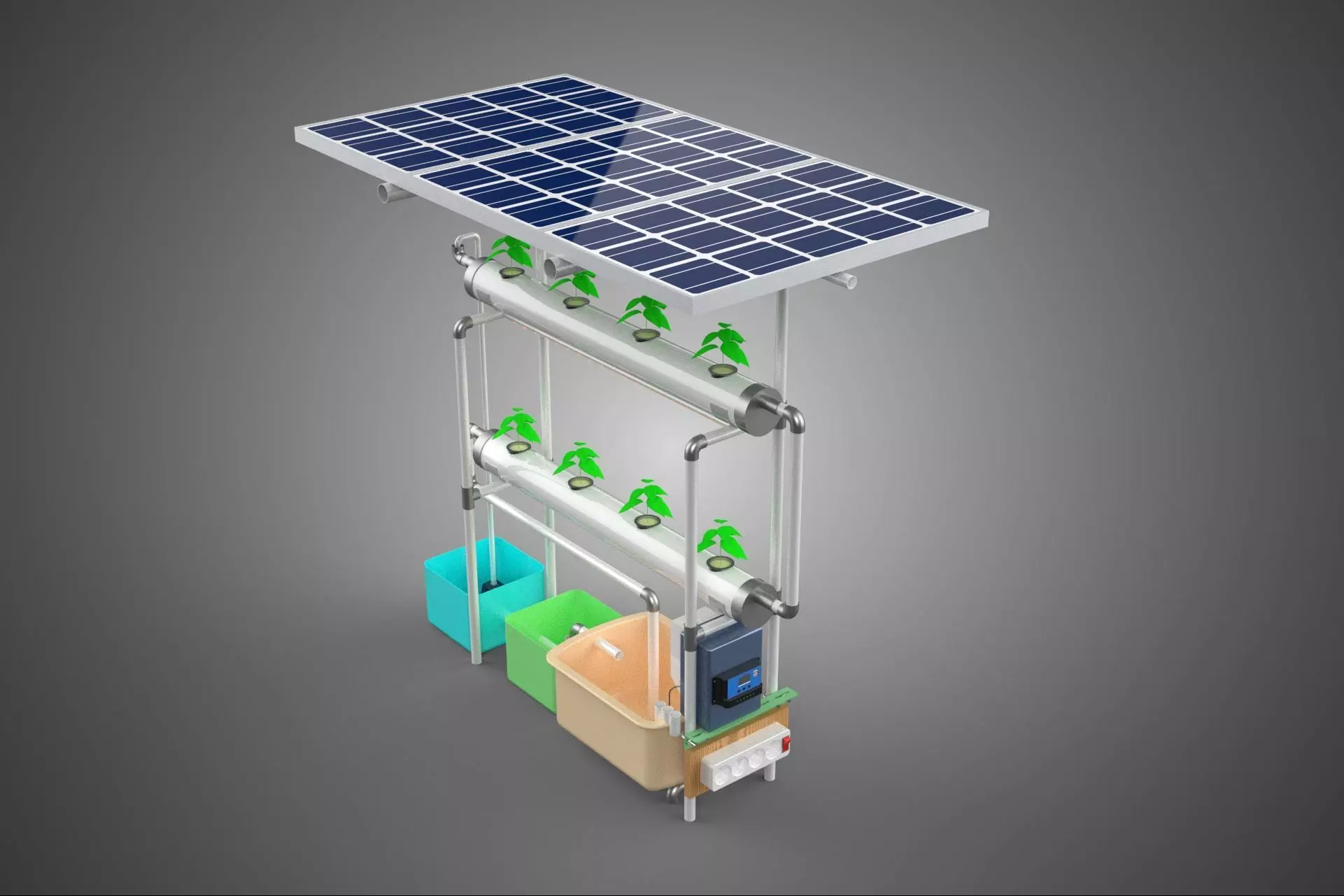
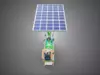
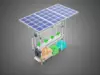
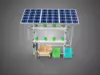
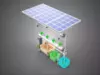
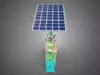
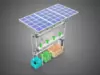
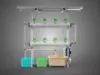
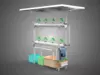
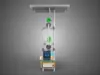
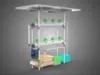
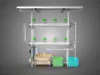
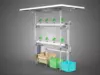
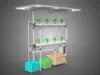
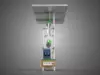
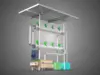
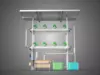
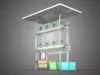
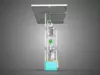
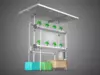
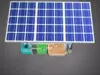
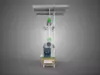
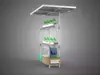
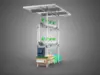
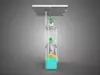
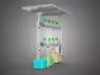
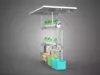
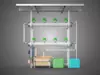
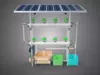
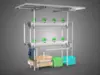
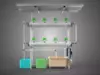
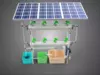
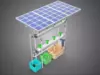
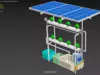
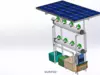
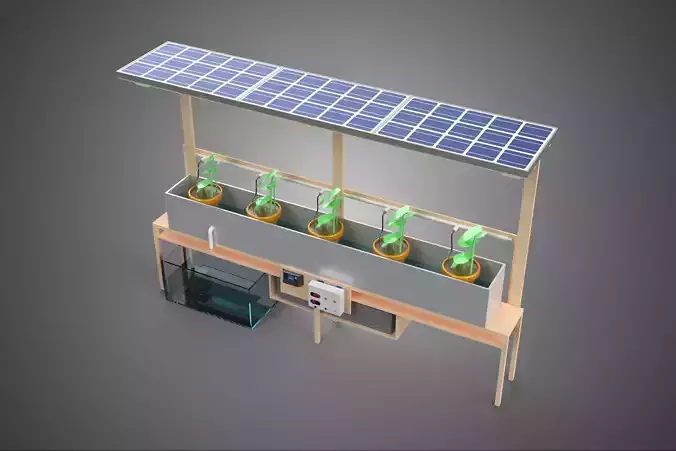
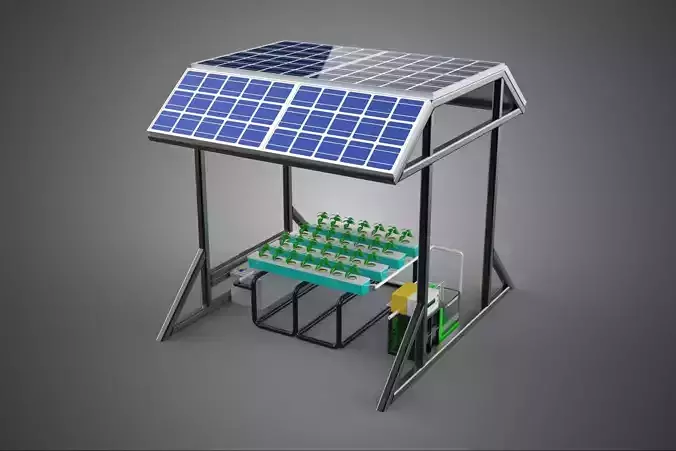
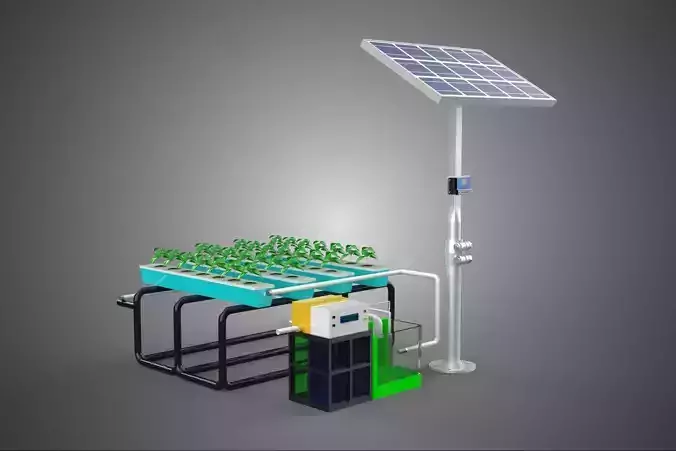
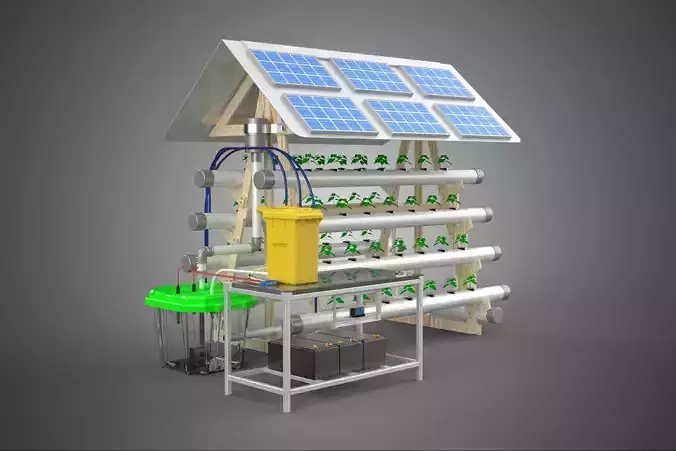
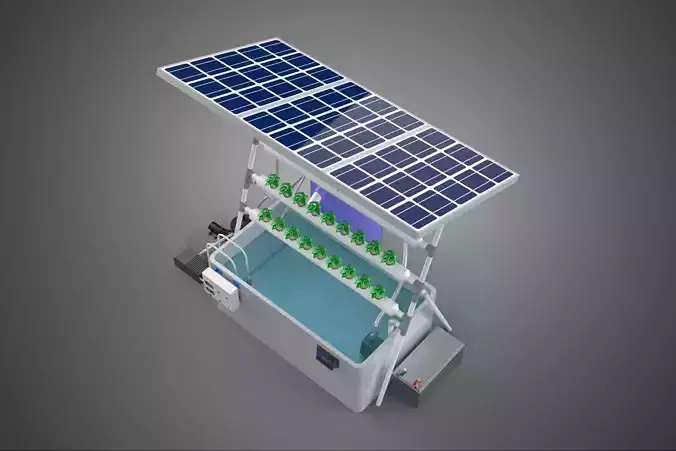
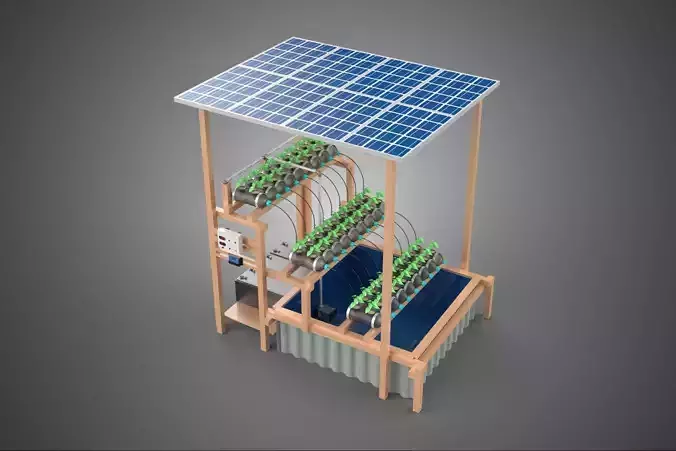
The described system represents a sophisticated, integrated agricultural solution for plant cultivation, synergistically combining hydroponic methodology with advanced technological components to optimize growth conditions, enhance resource efficiency, and promote sustainability. This setup, often termed a smart hydroponic system, is characterized by its capacity for precise environmental control, automation, and reduced ecological footprint, making it suitable for both commercial applications and urban farming initiatives.
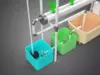
At its core, the system employs hydroponics, a method of growing plants without soil, using mineral nutrient solutions dissolved in water to deliver essential elements directly to plant roots. The recirculating aspect signifies a closed-loop design, where the nutrient solution is continuously collected, reconditioned, and re-delivered to the plants. This approach significantly reduces water and nutrient waste compared to open-loop (non-recirculating) systems, contributing to both environmental sustainability and operational cost savings. Common recirculating hydroponic techniques include Nutrient Film Technique (NFT), Deep Water Culture (DWC), and various drip irrigation systems.
The integration of Internet of Things (IoT) technology elevates this system beyond conventional hydroponics by enabling real-time monitoring, data acquisition, and automated control. A network of sensors continuously measures critical parameters such as the pH level, Electrical Conductivity (EC) (which indicates nutrient concentration), water temperature, ambient air temperature, humidity, and water level within the reservoir. This data is transmitted to a central control unit, often a microcontroller or single-board computer, and subsequently uploaded to a cloud-based platform accessible via web or mobile applications. Actuators, such as pumps, solenoid valves, and relays, are controlled autonomously based on pre-programmed setpoints or remotely by an operator. This allows for automated adjustments of nutrient solution pH and EC, precise watering schedules, and environmental regulation (e.g., ventilation). The IoT framework provides capabilities for data logging, trend analysis, predictive maintenance, and remote diagnostics, empowering growers with unprecedented control and insight into their cultivation process.
To enhance sustainability and achieve energy independence, the entire system is powered by solar photovoltaic (PV) panels. These panels convert sunlight into electrical energy, which is then managed by a charge controller to replenish a battery bank. The stored energy in the batteries provides a consistent power supply for all system components, including the nutrient pumps, control unit, sensors, and critically, the LED grow lights, even during periods of low sunlight or at night. This renewable energy source significantly reduces reliance on grid electricity, lowers operational expenses, and diminishes the system's carbon footprint, making it particularly attractive for remote locations or off-grid agricultural setups.
Artificial illumination is provided by specialized LED (Light Emitting Diode) grow lights. LEDs are highly efficient light sources that can emit specific wavelengths of light optimized for photosynthesis and plant growth stages (e.g., blue light for vegetative growth, red light for flowering). Unlike traditional grow lights, LEDs generate minimal heat, which simplifies climate control within the growing environment and reduces energy consumption for cooling. Their long lifespan, tunable spectrum capabilities, and high energy efficiency make them an ideal choice for supplementing or entirely replacing natural sunlight, ensuring consistent light availability and quality for year-round production, irrespective of external weather conditions.
The combination of these technologies yields numerous advantages:
- Resource Efficiency: Significant reduction in water and nutrient consumption through recirculation, and energy savings via solar power and efficient LED lighting.
- Automation and Precision: IoT-enabled control ensures optimal growing conditions are consistently maintained, minimizing human intervention and maximizing plant health and yield.
- Sustainability: Reduced environmental impact through renewable energy use and decreased waste.
- Yield Optimization: Precise control over light, nutrients, and environment leads to faster growth rates, higher yields, and improved crop quality.
- Scalability and Adaptability: Suitable for diverse applications, from small-scale urban gardens to large-scale commercial farms, including vertical farming.
- Remote Management: Allows growers to monitor and control their systems from anywhere, enhancing operational flexibility.
This advanced hydroponic system, integrating IoT control, solar panel energy, and LED grow lights, represents a paradigm shift in modern agriculture. It offers a robust, efficient, and sustainable solution for cultivating plants in a controlled environment, addressing critical challenges related to food security, water scarcity, and climate change. As technological capabilities continue to advance, such integrated systems are poised to play an increasingly vital role in the future of sustainable food production.
KEYWORDS: Hydroponics, IoT, Internet of Things, Solar Panel, LED Grow Light, Recirculating System, Nutrient Solution, Plant Cultivation, Smart Agriculture, Precision Farming, Automation, Sensors, Actuators, Renewable Energy, Sustainable Farming, Controlled Environment Agriculture, Remote Monitoring, pH, Electrical Conductivity, Water Efficiency, Energy Efficiency, Crop Optimization, Urban Farming, Vertical Farming, Environmental Control, Data Analytics, Photovoltaics, Plant Factory, Resource Management, Sustainable Food Production