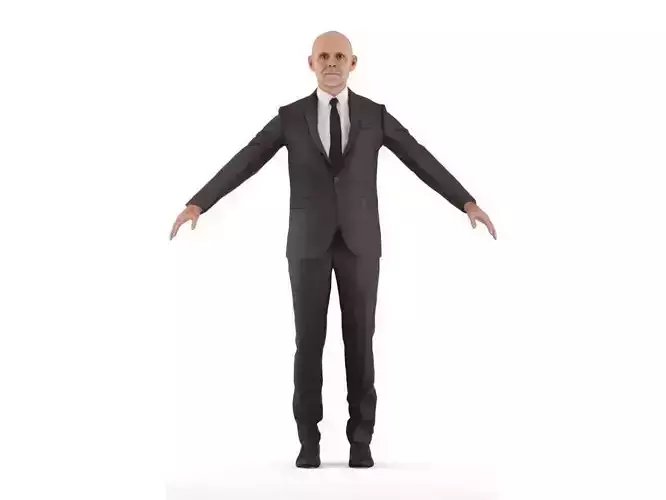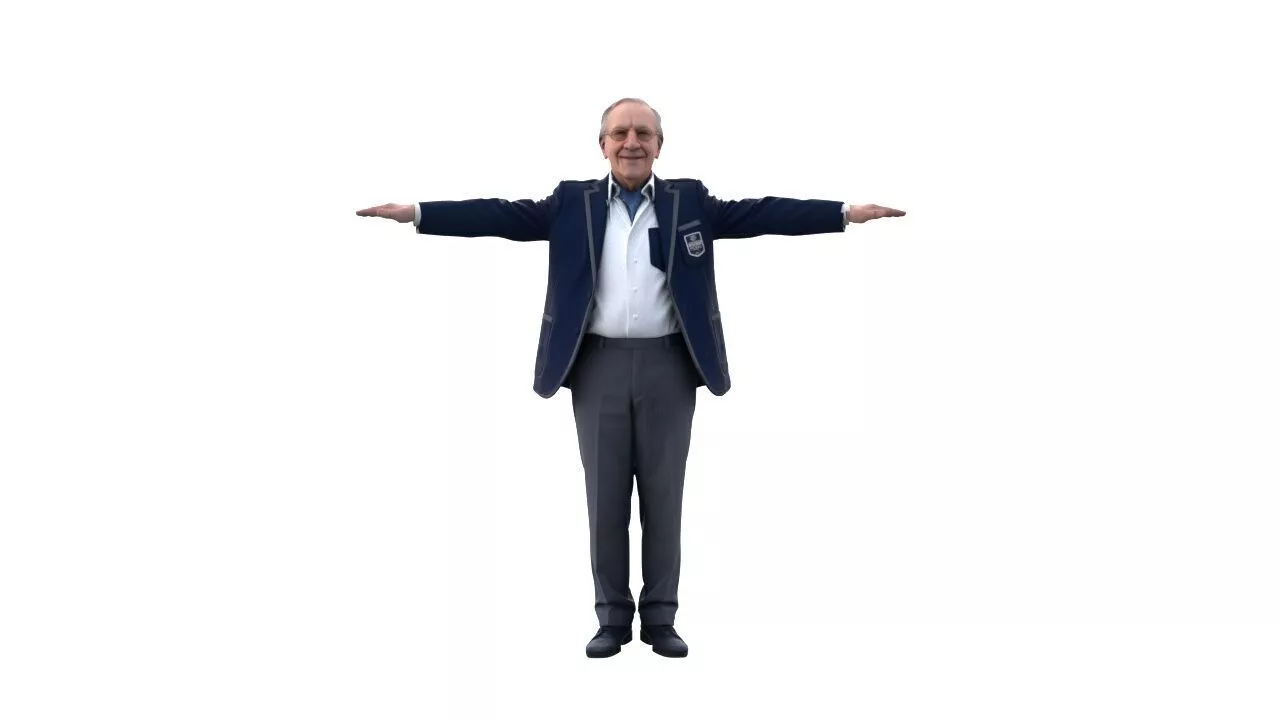





DESCRIPTION

The original Latin word universitas refers in general to a number of persons associated into one body, a society, company, community, guild, corporation, etc.[13][page needed] As urban town life and medieval guilds developed, specialized associations of students and teachers with collective legal rights (these rights were usually guaranteed by charters issued by princes, prelates, or their towns) became denominated by this general term. Like other guilds, they were self-regulating and determined the qualifications of their members.[14]

In modern usage, the word has come to mean an institution of higher education offering tuition in mainly non-vocational subjects and typically having the power to confer degrees.[15] The earlier emphasis on its corporate organization is no longer the primary feature by which a modern university is recognized.[16]

The original Latin word referred to degree-awarding institutions of learning in Western and Central Europe, where this form of legal organisation was prevalent and from where the institution spread around the world.[17]

Graduation ceremony on Convocation day at the University of Oxford. The Pro-Vice-Chancellor in MA gown and hood, Proctor in official dress and new Doctors of Philosophy in scarlet full dress. Behind them, a bedel, a Doctor and Bachelors of Arts and Medicine graduate.Academic freedomAn important idea in the definition of a university is the notion of academic freedom. The first documentary evidence of this comes from early in the life of the University of Bologna, which adopted an academic charter, the Constitutio Habita,[18] in 1155 or 1158,[19] which guaranteed the right of a traveling scholar to unhindered passage in the interests of education. Today, this is claimed as the origin of academic freedom.[20] This is now a widely accepted concept in international research. On 18 September 1988, 430 university rectors signed the Magna Charta Universitatum,[21] marking the 900th anniversary of Bologna's foundation. The number of universities signing the Magna Charta Universitatum continues to grow, drawing from all parts of the world.[citation needed]

REVIEWS & COMMENTS

See what other buyers think about this model - real feedback on quality,
accuracy, and usability.
There are no reviews or comments yet. Please be the first one to write it.
BEST PRICE GUARANTEED
Found this model cheaper on another marketplace? Let our support team know - we’ll match it.
NEW
Recently added to CGTrader - explore one of the latest models on the marketplace.

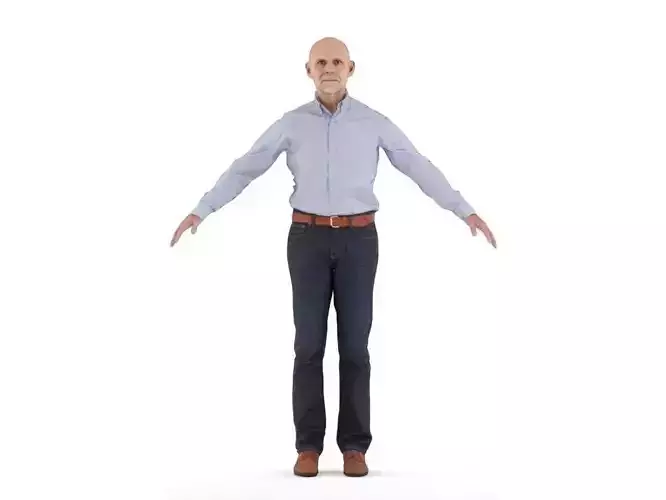
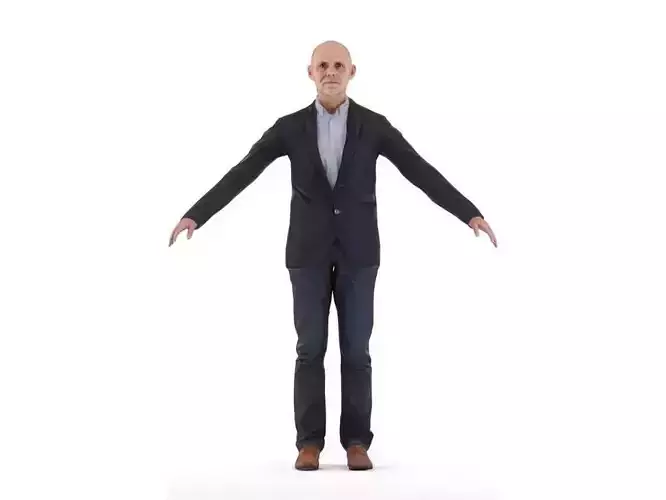
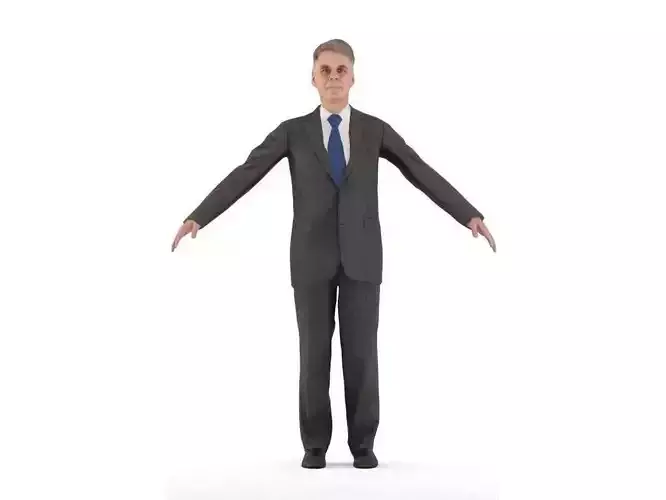
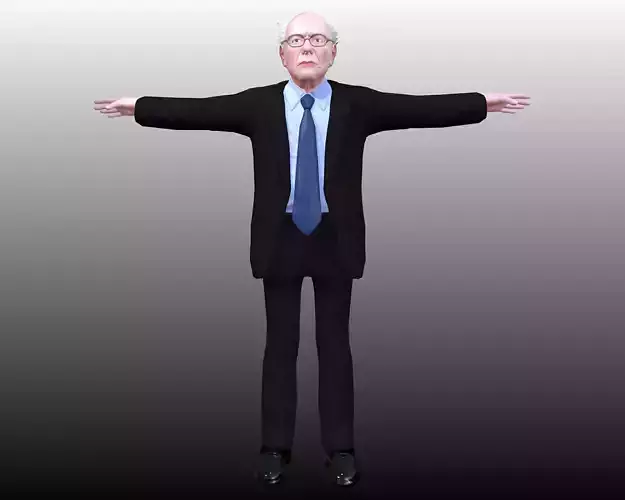
university professor t-pose 3d model Low-poly 3D model

Royalty Free License
Hire
Like this model to show appreciation to the designer.
See how many times this model was viewed.
Share this model to support the designer and boost their visibility.
File formats
STL
Stereolithography<br />Version: 1<br />File Size: 23.8 MB
C4D
Cinema 4D<br />Version: 19 - Renderer: Default 19<br />File Size: 28.9 MB
JPG
JPG<br />Version: 19<br />File Size: 85.6 MB
PNG
PNG<br />File Size: 85.6 MB
FBX
Autodesk FBX<br />Version: 7.5<br />File Size: 38.8 MB
3DS
3D Studio<br />Version: 1<br />File Size: 12.4 MB
DAE
Collada<br />Version: 1.5<br />File Size: 47.3 MB
Verified by CGTrader
Verified models are of higher quality as they have
passed CGT Standard technical and visual checks,
making them more professional-grade 3D assets.
Learn more.
FBX
This FBX file has successfully passed the CGT Standard technical and visual checks. The verification results are detailed in the section below.
File & scene
Binary FBX
Binary FBX file is more compact and faster to load and process.
Learn more
No unsupported objects
Unsupported objects:
- Lights
- Cameras
Learn more
Geometry
No N-gons
N-gons are polygons with five or more sides which might cause issues in certain processes like rendering or animation. Learn more
No faceted geometry
Faceted geometry uses flat surfaces without smoothing, which can look unrealistic on curves.
Learn more
Manifold geometry
Manifold geometry ensures all surfaces are properly connected, avoiding issues like edges shared by more than two faces.
Learn more
Textures & material
PBR textures
PBR textures simulate how light interacts with materials, making the model look realistic under different lighting.
Required PBR textures:
- Base Color
- Roughness
- Metalness
- Normal
Learn more
No embed textures
Embedded textures are stored inside the model file, increasing its size and sometimes causing compatibility issues.
Learn more
Square textures
Texture aspect ratio is the width-to-height ratio of a texture. Expected texture aspect ratio: 1:1
Learn more
Power of 2 texture sizes
Textures with dimensions in power of two (e.g. 512x512px, 1024x1024px) are used to optimize performance and memory usage.
Learn more
Assigned materials
Materials are applied to the 3D model to allow visualize a model's surface properties and appearance.
Learn more
UVs & naming
No UV overlaps
UVs overlap when multiple points on the 3D model's surface are mapped to the same point on the UV island causing texture stretching.
Learn more
UV unwrapped model
A UV unwrapped model means its 3D surface is flattened into 2D space, allowing textures to be applied accurately.
Learn more
Allowed characters
Allowed ASCII characters: a-zA-Z0-9-_
Learn more
Provided by designer
Information and details shared directly by the model's designer.
3D Features
PBR
Uses Physically Based Rendering materials, which give the model realistic lighting and surface properties.
Textures
The model includes image files (textures) that add color, patterns, or detail to its surfaces.
Materials
The model has material settings that define how surfaces look (color, shine, transparency, etc.).
UV Mapping
The model's surfaces are mapped to a 2D image, allowing textures to display correctly.
Plugins Used
Some external plugins were used to create the model. These may be required for full functionality.
3D printing
Indicates whether the designer marked this model as suitable for 3D printing.
Model is not 3D printable
The designer indicates this model is intended for digital use only (rendering, animation, or AR/VR) and not for 3D printing.
Geometry
Polygon mesh
A model built from polygons (triangles or quads) connected in a mesh.
500000 polygons
The total number of polygons (flat shapes) that make up the 3D model.
/
380000 vertices
The number of points (corners) that define the shape of the model's polygons.
Unwrapped UVs
Publish date
Model ID
Chat