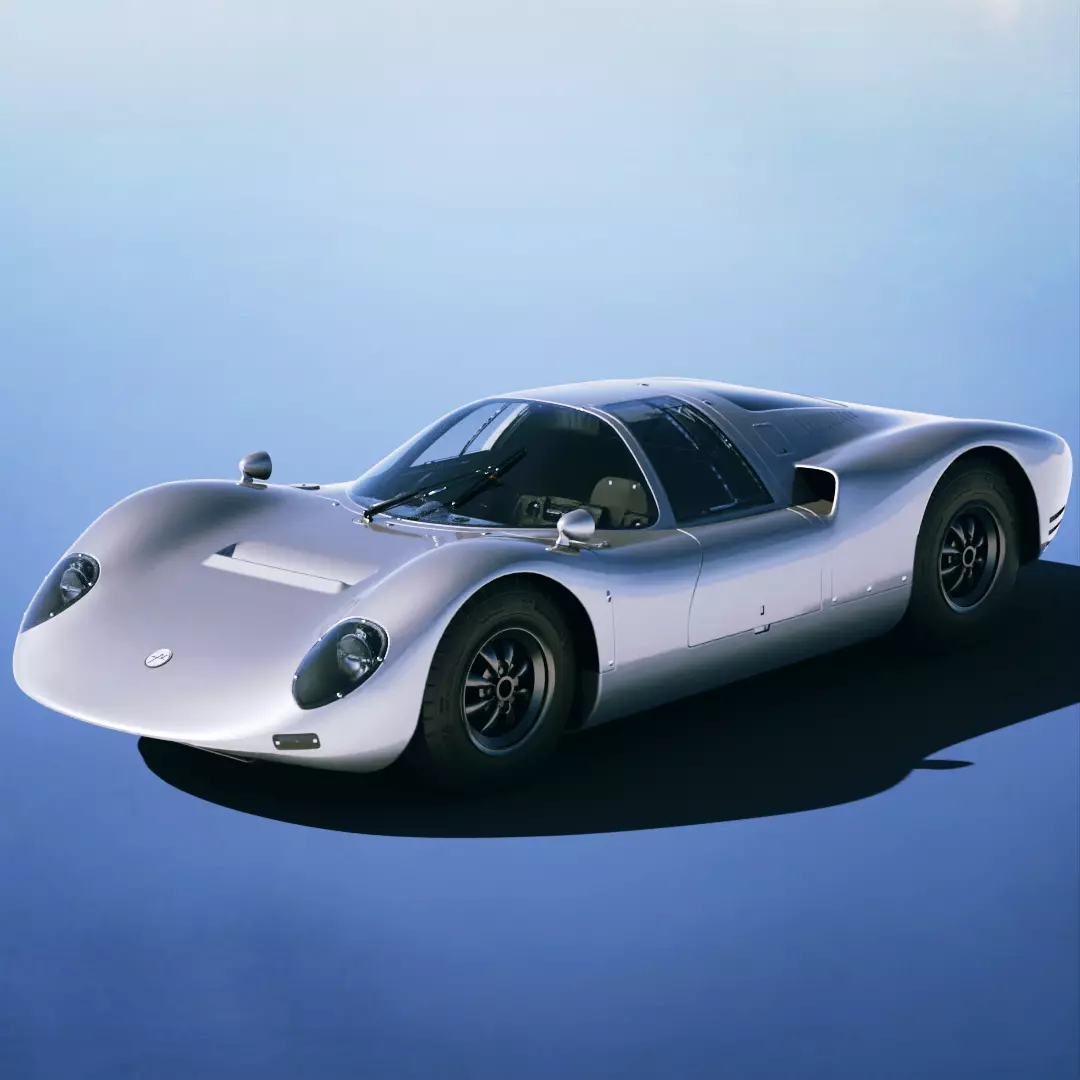
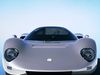
The Nissan R380A II was a significant car in the history of Nissan motorsports. It was designed and built specifically for competition in the Japanese Grand Prix, and was the successor to the original R380, which had been introduced the previous year.The R380A II was powered by a 3.8-liter air-cooled flat-8 engine that was capable of producing over 400 horsepower. This was a significant improvement over the original R380, which had a 3.0-liter engine. The engine was mated to a four-speed manual transmission that allowed the driver to fully exploit the engine's power.In terms of its design, the R380A II was a true work of art. The body was sleek and aerodynamic, with a long nose and short tail that helped to improve its high-speed stability. The car was also fitted with advanced suspension and braking systems that allowed it to handle the demands of circuit racing. The suspension consisted of double wishbones at the front and a De Dion axle at the rear, which provided excellent grip and handling. The brakes were also top-notch, with disc brakes at the front and drums at the rear.In terms of performance, the Nissan R380A II was a true powerhouse. It was capable of reaching top speeds of over 200 km/h, and its nimble handling made it a joy to drive on the circuit. The R380A II was driven by some of the most talented drivers of the era, including drivers such as Hiroshi Fushida and Kunimitsu Takahashi. These drivers helped to cement the R380A II's reputation as a competitive and reliable race car.Despite its success on the track, the Nissan R380A II was only produced in limited numbers, and today it is considered to be a rare and valuable collectible. This is due in part to its unique combination of style, performance, and history, but also to the fact that so few examples were ever built. For fans of Nissan motorsports, the R380A II is a true icon, and it is celebrated for its contributions to the brand's racing heritage.In conclusion, the Nissan R380A II was a truly remarkable car that represented a high point in Nissan's motorsports history. Its combination of power, performance, and style made it a standout performer in its day, and it remains an important part of Nissan's legacy. For those who are lucky enough to own one of these rare machines, the Nissan R380A II is a true treasure, and a testament to Nissan's commitment to engineering excellence and innovation.