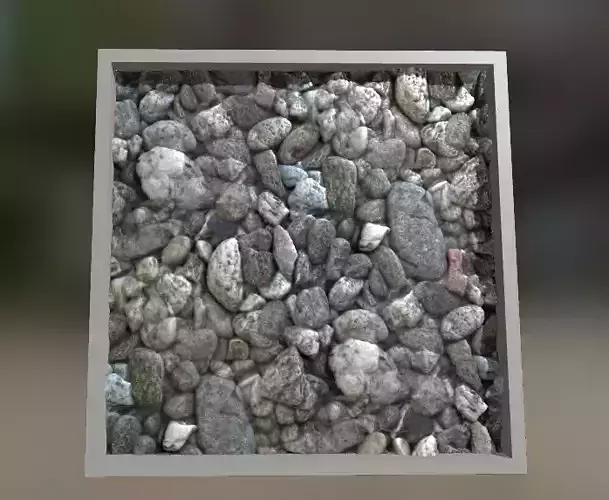
Seamless PBR Textures
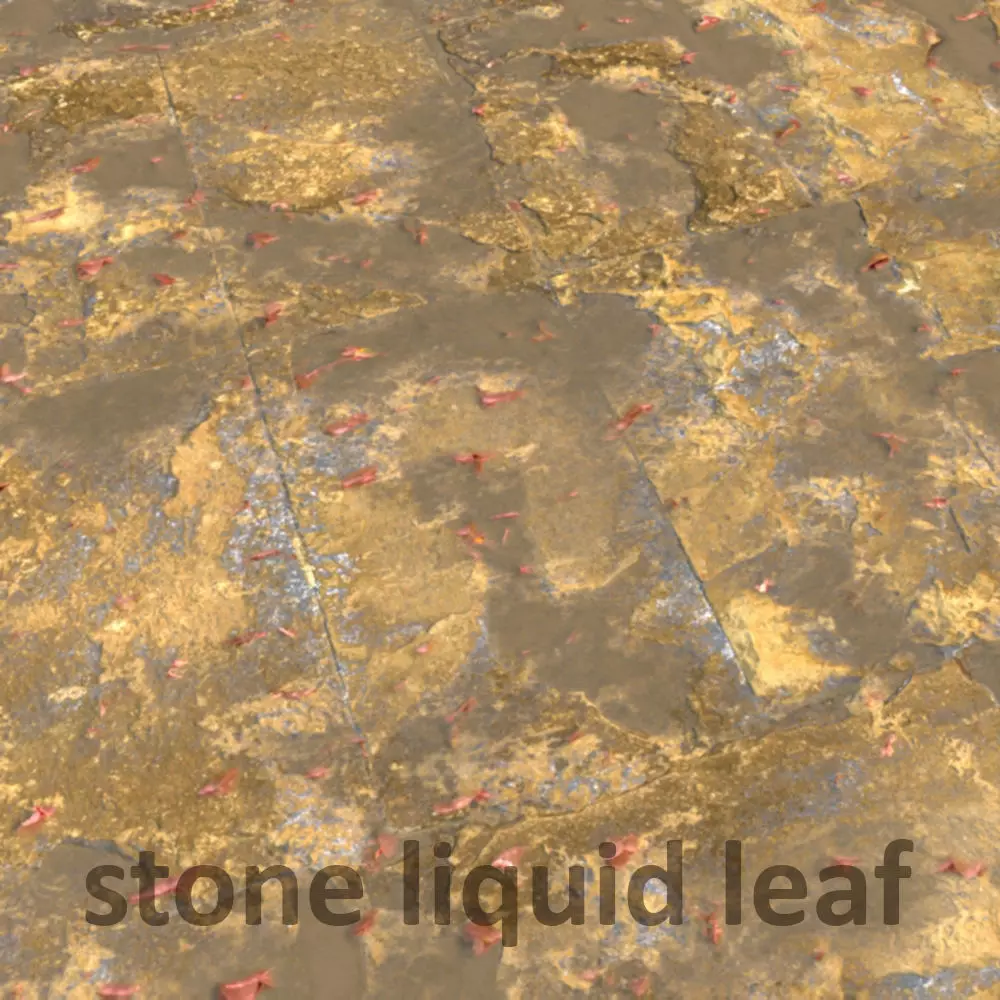
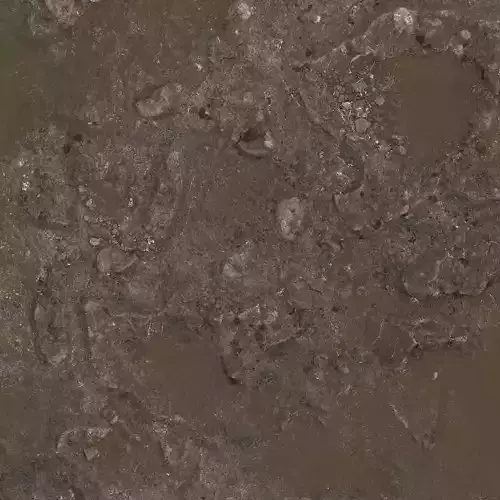
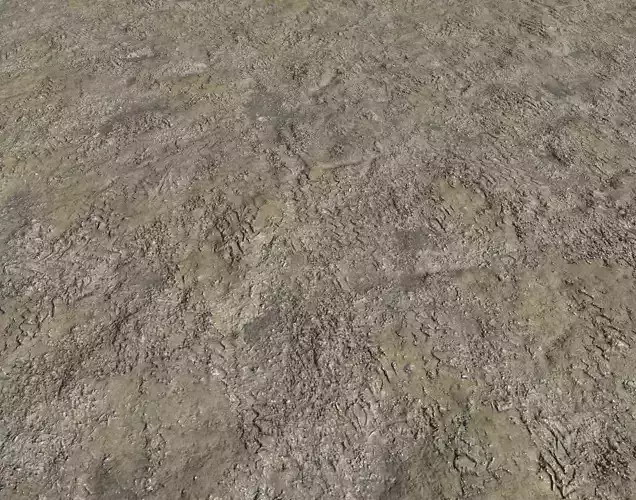
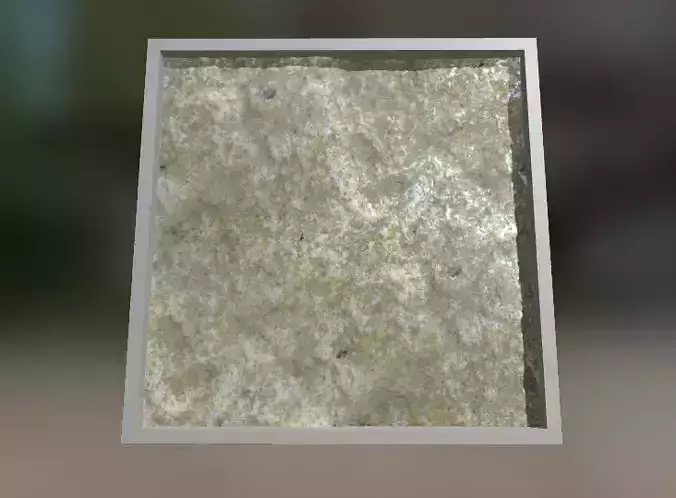
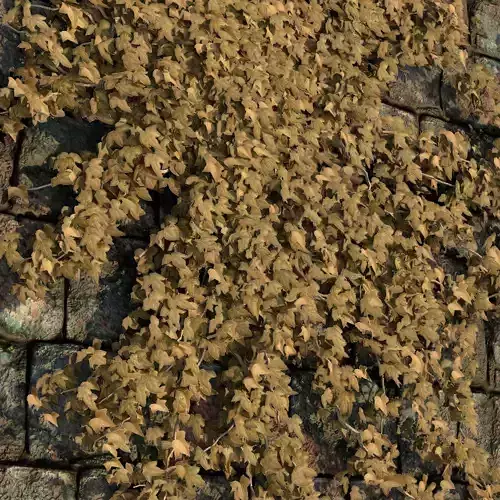
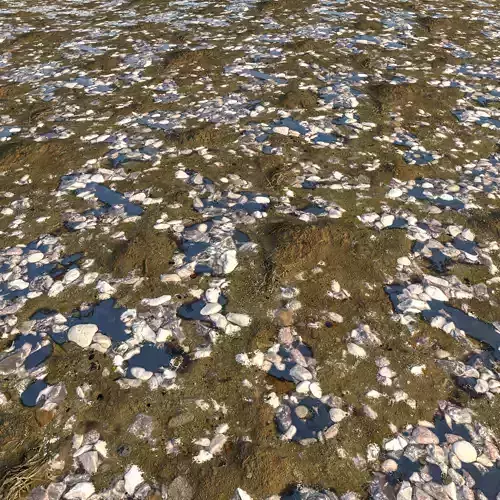
> brickwall-Clay ground-ground-Snow cliff-stone liquid leaf
> 2048 x 2048
AO-Diffuse-Diffuse-Gloss-Normal-Specular**
These textures are used for the exterior and brick textures can be used for interior design. Excellent display format EXR
**
Physically based rendering (PBR) is an approach in computer graphics that seeks to render graphics in a way that more accurately models the flow of light in the real world. Many PBR pipelines have the accurate simulation of photorealism as their goal. Feasible and quick approximations of the bidirectional reflectance distribution function and rendering equation are of mathematical importance in this field. Photogrammetry may be used to help discover and encode accurate optical properties of materials. Shaders may be used to implement PBR principles.
*Process *PBR is, as Joe Wilson puts it, more of a concept than a strict set of rules[3] – but the concept contains several distinctive points of note. One of these is that – unlike many previous models that sought to differentiate surfaces between non-reflective and reflective – PBR recognizes that, in the real world, as John Hable puts it, everything is shiny.[4] Even flat or matte surfaces in the real world such as concrete will reflect a small degree of light, and many metals and liquids will reflect a great deal of it. Another thing that PBR models attempt to do is to integrate photogrammetry - measurements from photographs of real-world materials - to study and replicate real physical ranges of values to accurately simulate albedo, gloss, reflectivity, and other physical properties. Finally, PBR puts a great deal of emphasis on microfacets, and will often contain additional textures and mathematical models intended to model small-scale specular highlights and cavities resulting from smoothness or roughness in addition to traditional specular or reflectivity maps.
*Surfaces *PBR topics that deal with surfaces often rely on a simplified model of the bidirectional reflectance distribution function (BRDF), that approximates well optical properties of the material using only handful of intuitive parameters, and that is quick to compute on a computer. Common techniques are approximations and simplified models, that try to fit approximate models to more accurate data from other more time consuming methods or laboratory measurements.