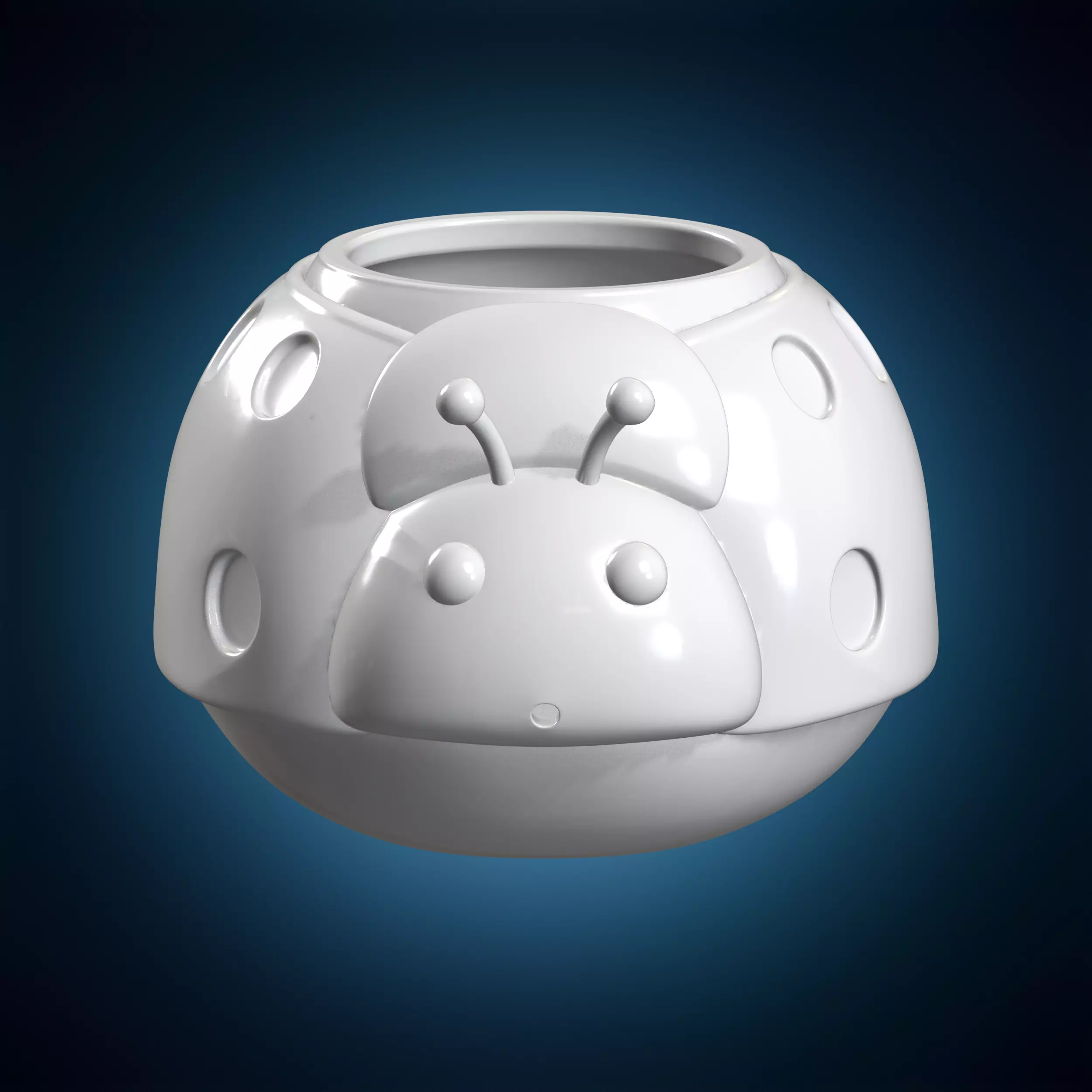
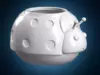
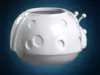
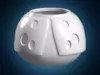
Bring good luck and garden charm to your space with this delightful Ladybug Planter 3D Print Model. This adorable planter takes the beloved shape of a ladybug and transforms it into a functional container for small plants and succulents. The cheerful design combines the natural appeal of these lucky insects with practical plant-keeping functionality for a piece that brightens any room or garden area. The planter features a rounded ladybug body with the characteristic dome-shaped shell and spotted wing covers that everyone recognizes. The head section includes cute simplified features that give the ladybug an endearing personality. The planting cavity is integrated into the top of the shell. providing adequate space for small succulents. herbs. or flowering plants. The flat underside ensures stable placement on any surface while the rounded shell creates a visually appealing container shape. This ladybug planter is perfect for garden enthusiasts. insect lovers. and anyone who enjoys whimsical plant containers. It makes a wonderful gift for teachers. children. and gardeners who appreciate the beneficial nature of ladybugs in the garden. Display it on a windowsill. patio. garden bench. or desk for an instant touch of natural charm. Group several ladybug planters together for a charming garden scene that celebrates these beloved garden helpers. For 3D printing. this model is straightforward and prints well on FDM printers. A layer height of 0.2mm produces clean results that suit the smooth rounded form. An infill of 20% provides good durability for holding soil and moisture. The dome shape prints with minimal support requirements. Red filament with black spots painted afterward creates the classic ladybug look. Consider PETG filament for better moisture resistance if used with live plants outdoors. The file package includes OBJ. STL. and PLY formats for easy compatibility with all popular slicing software and 3D printing hardware. Please Note: This STL file may require pre-printing preparation such as support analysis and positioning adjustments. Thickness verification and specific settings for your printer and filament may be needed. Other technical adjustments might be necessary depending on your equipment and printing method.