Free size
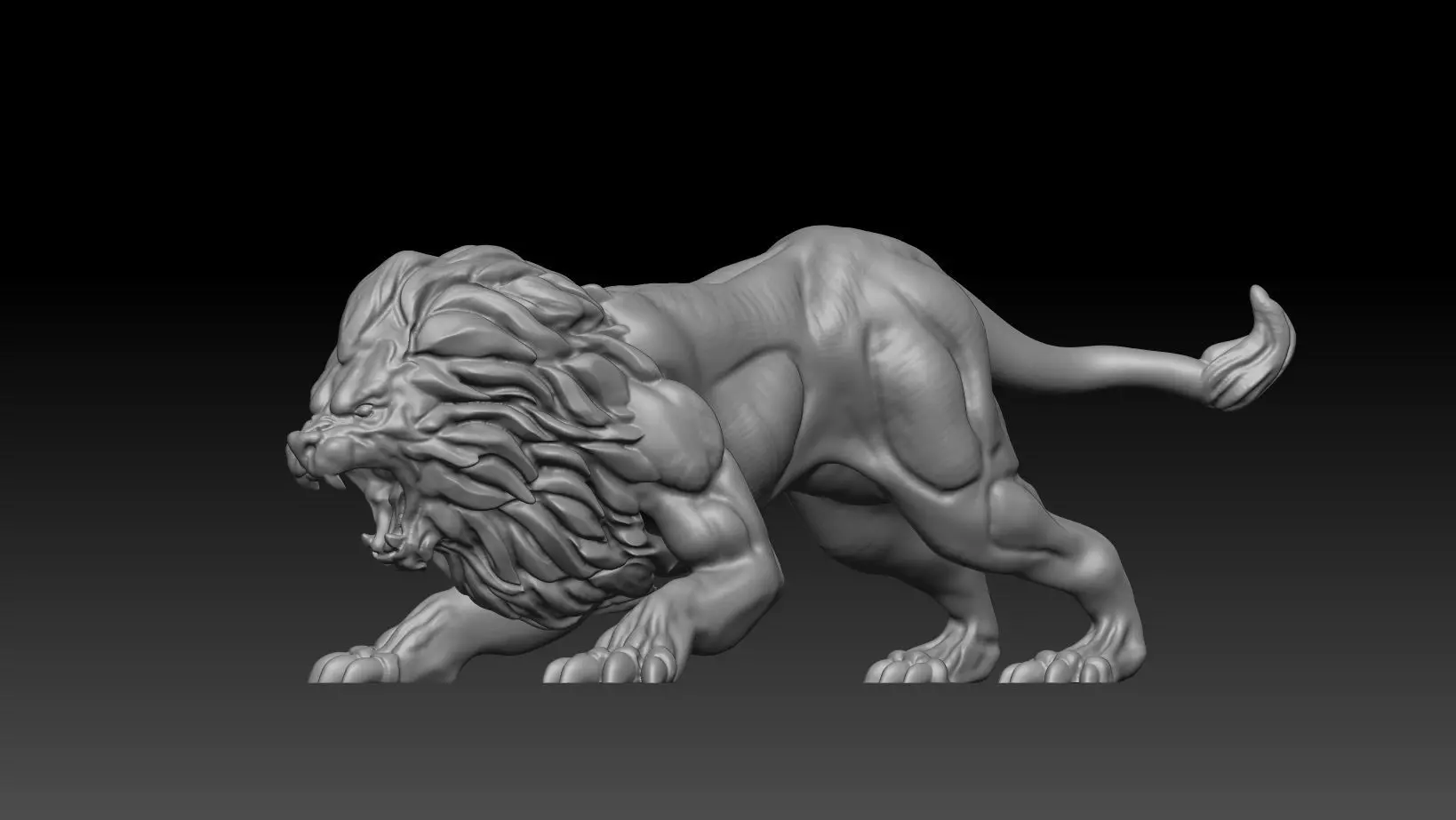
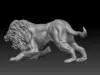
The Nemean Lion was a ferocious beast in Greek mythology that terrorized the hills of Nemea. It is most famous for being the first of the Twelve Labours of the hero Heracles (Hercules). Mythical Origins & AppearanceThe lion was no ordinary predator; it was a magical creature of divine or monstrous lineage: Parentage: Accounts vary, but it was often described as the offspring of the monsters Typhon and Echidna. Other myths suggest it was born of the moon goddess Selene and sent to earth at Hera's request.Invulnerability: Its most defining feature was its golden fur, which was completely impenetrable by any mortal weapon made of stone, bronze, or iron.Ferocity: It was said to be larger and stronger than any normal lion, with claws sharper than swords that could slice through any armour.
The First Labour of Heracles King Eurystheus ordered Heracles to slay the lion, believing it was an impossible task. The Hunt: Heracles first tried to kill the beast with arrows and his club, but the arrows simply bounced off its hide and the club shattered.The Slaying: Realizing weapons were useless, Heracles cornered the lion in its two-mouthed cave, blocked one entrance, and entered the other to face it hand-to-hand. He ultimately killed the lion by strangling it with his bare hands.The Pelt: To skin the beast, Heracles used one of the lion's own claws, as they were the only things sharp enough to cut the hide. He thereafter wore the pelt as a nearly invincible cloak and helmet, which became his most iconic symbol in ancient art.Legacy & SymbolismConstellation Leo: Hera, who had raised the lion, felt guilty about its death and placed it in the heavens as the constellation Leo so it would be remembered forever.Nemean Games: Some traditions state that Heracles founded the Nemean Games, one of the four Panhellenic festivals of ancient Greece, to celebrate his victory.Archaeological Site: The ancient Temple of Zeus at Nemea still exists today near the supposed site of the lion's den on Mount Tretos