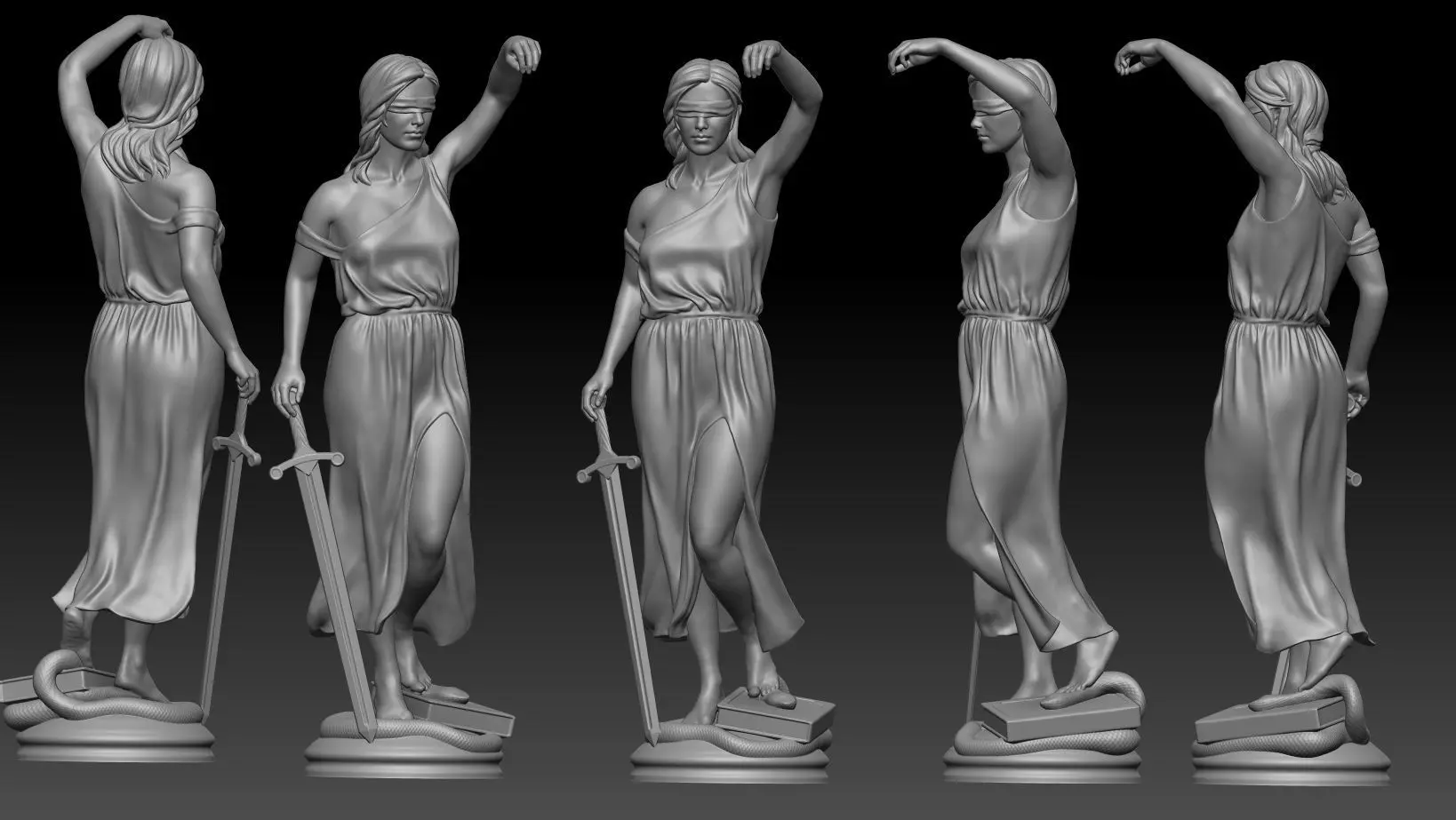
In mythology and law, the Goddess of Justice is most commonly associated with Themis and Justitia, the figures who gave us the modern Lady Justice seen on courthouses worldwide.
Themis: Divine Order (Greek)In Greek mythology, Themis was a Titaness who embodied divine law, natural order, and prophecy.Role: She sat beside Zeus to offer counsel and was responsible for the social order that regulated human affairs.The Scales: She is often credited as the first to use scales to weigh the merits of opposing sides.Dike: Her daughter, Dike, represented human justice and moral judgement, often depicted carrying a sword to punish those who broke the law.
Justitia: Lady Justice (Roman)The modern personification of justice comes primarily from the Roman goddess Justitia.The Blindfold: Unlike the Greek version, Justitia is frequently depicted with a blindfold, symbolizing impartiality—that justice should be meted out without regard to wealth, power, or status.The Sword: Her sword represents the power of Reason and Justice, which can be wielded for or against anyone. It signifies that justice's verdict is final and enforceable.The Scales: These represent the weighing of evidence and the balance of individual interests against the needs of society.
Ma’at: Truth and Harmony (Egyptian)Long before the Greeks, the Egyptians worshipped Ma’at, the goddess of truth, balance, and cosmic order.The Feather: In the afterlife, a person's heart was weighed against Ma'at's Feather of Truth. If the heart was heavier than the feather due to sin, the soul could not enter the afterlife.