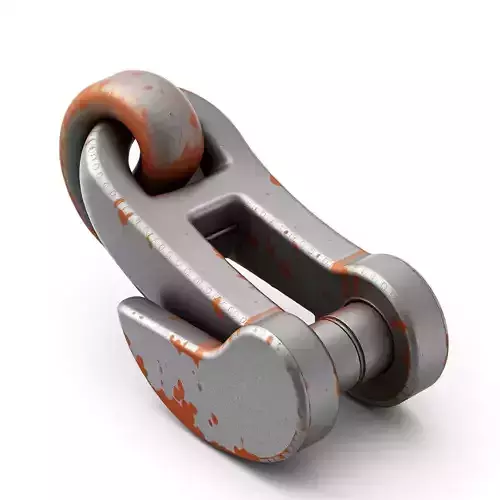
High-quality 3D assets at affordable prices — trusted by designers, engineers, and creators worldwide. Made with care to be versatile, accessible, and ready for your pipeline.
Included File Formats
This model is provided in 14 widely supported formats, ensuring maximum compatibility:
• - FBX (.fbx) – Standard format for most 3D software and pipelines
• - OBJ + MTL (.obj, .mtl) – Wavefront format, widely used and compatible
• - STL (.stl) – Exported mesh geometry; may be suitable for 3D printing with adjustments
• - STEP (.step, .stp) – CAD format using NURBS surfaces
• - IGES (.iges, .igs) – Common format for CAD/CAM and engineering workflows (NURBS)
• - SAT (.sat) – ACIS solid model format (NURBS)
• - DAE (.dae) – Collada format for 3D applications and animations
• - glTF (.glb) – Modern, lightweight format for web, AR, and real-time engines
• - 3DS (.3ds) – Legacy format with broad software support
• - 3ds Max (.max) – Provided for 3ds Max users
• - Blender (.blend) – Provided for Blender users
• - SketchUp (.skp) – Compatible with all SketchUp versions
• - AutoCAD (.dwg) – Suitable for technical and architectural workflows
• - Rhino (.3dm) – Provided for Rhino users
Model Info
• - All files are checked and tested for integrity and correct content
• - Geometry uses real-world scale; model resolution varies depending on the product (high or low poly)
• • - Scene setup and mesh structure may vary depending on model complexity
• - Rendered using Luxion KeyShot
• - Affordable price with professional detailing
Buy with confidence. Quality and compatibility guaranteed.
If you have any questions about the file formats, feel free to send us a message — we're happy to assist you!
Sincerely,
SURF3D
Trusted source for professional and affordable 3D models.
More Information About 3D Model :
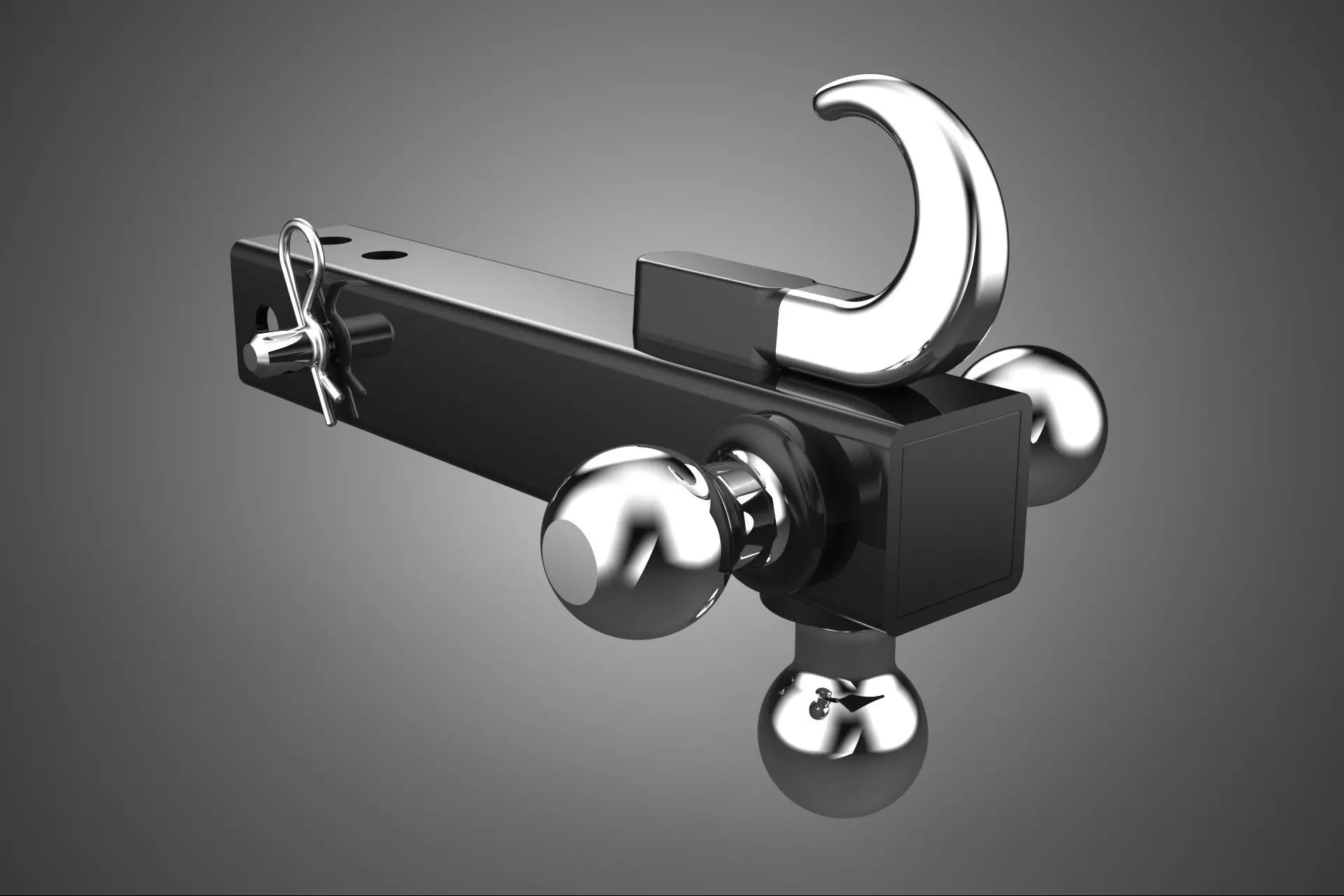
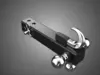
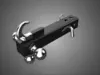
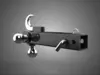
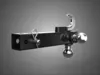
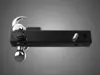
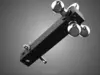
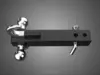
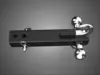
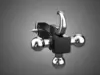
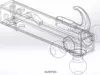
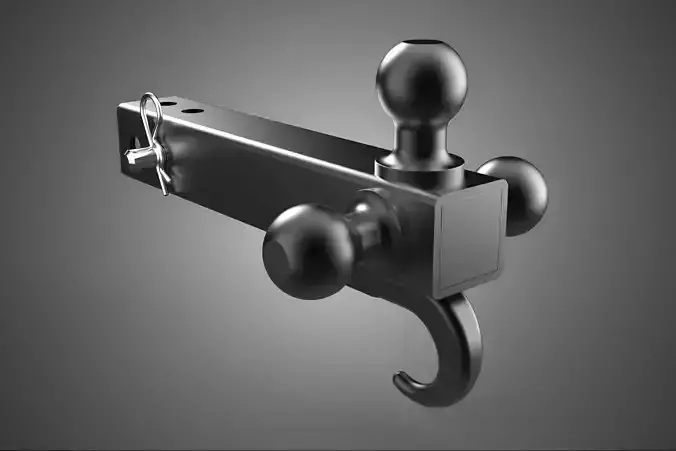
The composite term HOOK HITCH BALL MOUNT TRAILER SHANK RECEIVER DRAWBAR TOWING TOW describes the mechanical components and systemic process employed to connect a towing vehicle to a trailing unit (trailer or implement). This standardized apparatus, universally referred to as a Trailer Hitch System or Towing Assembly, is essential for the articulation and safe transference of kinetic energy and load forces.
The Receiver Hitch and Shank
The foundation of the modern towing assembly is the Receiver Hitch. This structural component is engineered to attach directly to the chassis or frame of the tow vehicle, ensuring load forces are distributed efficiently and safely into the vehicle structure, not merely the bumper. Receiver hitches are categorized by load capacity, typically following standardized classifications (e.g., SAE J684 Classes I through V), which dictate the maximum permissible Gross Trailer Weight (GTW) and Tongue Weight (vertical force exerted on the coupling point).
The Receiver itself is a standardized, open, square socket (aperture), typically measuring 1.25 inches or 2 inches per side. This aperture is designed to accept a removable insert known as the Trailer Shank (or Receiver Insert). The shank is a hardened steel component that slides into the receiver and is secured using a transverse retaining pin and clip assembly, preventing axial separation during the TOWING process.
The Ball Mount and Coupling Interface
The most common iteration of the shank features a fixed platform known as the Ball Mount. The ball mount serves as the mounting surface for the Hitch Ball (or Tow Ball).
- Hitch Ball: The hitch ball is a spheroidal coupling mechanism, precision-machined to standard diameters (e.g., 1-7/8 in, 2 in, 2-5/16 in). The spherical design ensures multi-axis articulation, allowing the trailer coupler (the receiver on the trailer drawbar) to move freely across pitch, roll, and yaw angles relative to the tow vehicle.
- Drawbar Configuration: The shank’s design often incorporates a vertical offset, necessary to align the hitch ball height with the trailer coupler height, ensuring level towing dynamics. Shanks with a downward offset are termed Drop Shanks, and those with an upward offset are Rise Shanks. The term Drawbar can be used synonymously with the shank assembly or, in a broader sense, the rigid connection arm of the trailer itself.
### Hook Hitch and Heavy-Duty Systems
While the Ball Mount is standard for recreational and light-duty commercial towing, specialized applications, particularly agricultural or military TOW operations, often utilize alternative coupling mechanisms:
- HOOK HITCH (Pintle Hitch): This system uses a robust hook mechanism, known as a Pintle Hook, mounted on the shank or directly to the vehicle frame. The pintle hook engages a heavy-duty ring (a lunette ring) attached to the trailer’s DRAWBAR. This coupling is favored for high vertical loads, off-road stability, and use with heavy, articulating equipment, although it typically provides less articulation refinement than a ball mount system and involves greater mechanical slack (play).
The overarching goal of the entire assembly is to facilitate controlled TOWING, ensuring proper distribution of the vertical (tongue) load and the horizontal dynamic forces exerted by the trailer, all while maintaining strict adherence to mandated maximum weight limits and safety standards.
KEYWORDS: Receiver Hitch, Ball Mount, Trailer Shank, Towing System, Drawbar, Pintle Hook, Lunette Ring, Hitch Ball, Coupling Mechanism, Tow Vehicle, Gross Trailer Weight, Tongue Weight, Hitch Class, Safety Chain, Articulation, Load Distribution, Vehicular Dynamics, Hitch Receiver, Retaining Pin, Tow Bar, Drop Shank, Rise Shank, Trailer Coupler, Frame Mounted, Weight Rating, Tow Capacity, SAE J684, Gooseneck, Drawbar Pull.