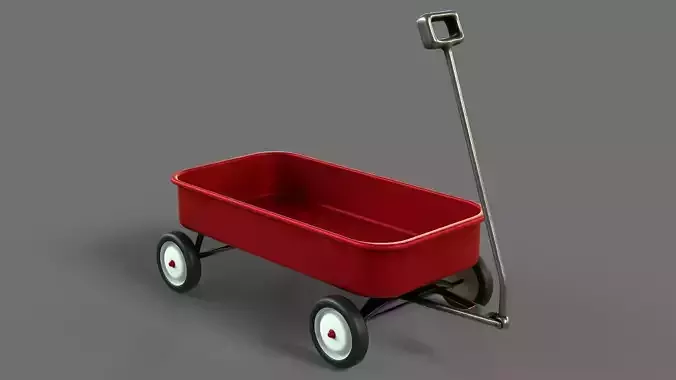
High-quality 3D assets at affordable prices — trusted by designers, engineers, and creators worldwide. Made with care to be versatile, accessible, and ready for your pipeline.
Included File Formats
This model is provided in 14 widely supported formats, ensuring maximum compatibility:
• - FBX (.fbx) – Standard format for most 3D software and pipelines
• - OBJ + MTL (.obj, .mtl) – Wavefront format, widely used and compatible
• - STL (.stl) – Exported mesh geometry; may be suitable for 3D printing with adjustments
• - STEP (.step, .stp) – CAD format using NURBS surfaces
• - IGES (.iges, .igs) – Common format for CAD/CAM and engineering workflows (NURBS)
• - SAT (.sat) – ACIS solid model format (NURBS)
• - DAE (.dae) – Collada format for 3D applications and animations
• - glTF (.glb) – Modern, lightweight format for web, AR, and real-time engines
• - 3DS (.3ds) – Legacy format with broad software support
• - 3ds Max (.max) – Provided for 3ds Max users
• - Blender (.blend) – Provided for Blender users
• - SketchUp (.skp) – Compatible with all SketchUp versions
• - AutoCAD (.dwg) – Suitable for technical and architectural workflows
• - Rhino (.3dm) – Provided for Rhino users
Model Info
• - All files are checked and tested for integrity and correct content
• - Geometry uses real-world scale; model resolution varies depending on the product (high or low poly)
• • - Scene setup and mesh structure may vary depending on model complexity
• - Rendered using Luxion KeyShot
• - Affordable price with professional detailing
Buy with confidence. Quality and compatibility guaranteed.
If you have any questions about the file formats, feel free to send us a message — we're happy to assist you!
Sincerely,
SURF3D
Trusted source for professional and affordable 3D models.
More Information About 3D Model :
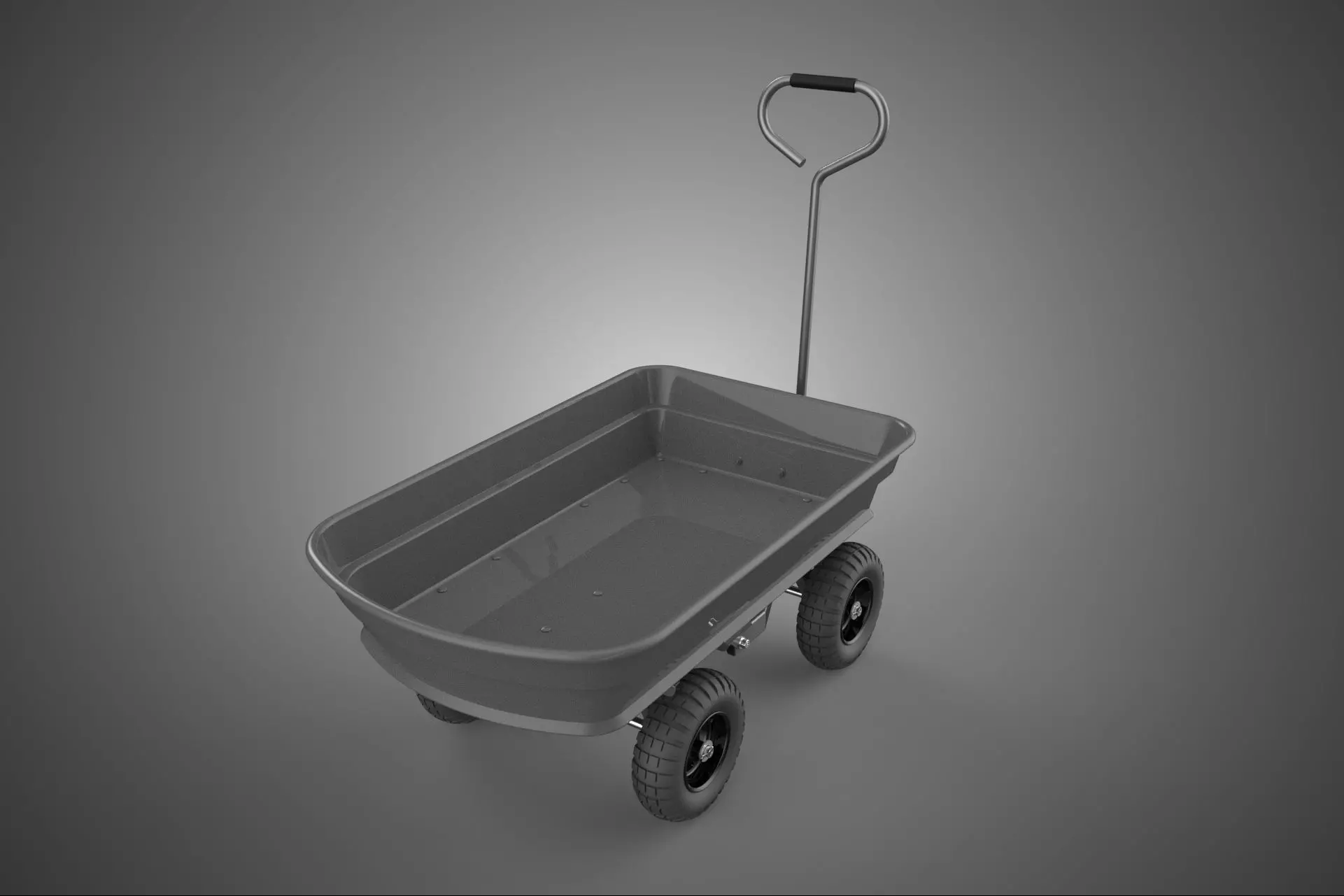
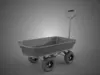
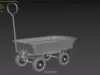
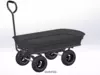
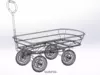
The phrase BEACH COAST SAND SEA CART WAGON TROLLEY DOLLY TRUCK WHEELBARROW encapsulates the multifaceted interaction between human transportation methods and the unique environmental characteristics of coastal zones. It refers to the broad spectrum of wheeled conveyances, from manual to motorized, adapted for traversing soft, yielding sand and operating within the corrosive marine environment of beaches, coasts, and the immediate vicinity of the sea. These vehicles are integral to facilitating recreational, commercial, utility, and conservation activities in such settings.
I. The Coastal Environment and Its Challenges for Transportation
Beaches, coasts, and sandy foreshores present distinct logistical challenges for conventional wheeled transport. The primary hurdles include:
- Loose, Unconsolidated Substrate: Sand, particularly dry sand, offers low bearing capacity, causing standard wheels to sink and impede movement.
- Corrosive Environment: Saltwater, salt spray, and high humidity accelerate corrosion of metals and degrade other materials.
- Abrasive Conditions: Fine sand acts as an abrasive agent, causing wear on moving parts and surfaces.
- Uneven Terrain: Natural undulations, shell fragments, driftwood, and varying sand depths create an uneven and unpredictable surface.
- Dynamic Conditions: Tides, waves, and wind constantly reshape the beach profile, affecting traversability.
II. General Adaptations for Coastal Conveyances
To overcome these challenges, vehicles designed for use on sand and near the sea incorporate specific engineering and material adaptations:
- Wheels: The most critical adaptation. Large diameter, wide profile, and low-pressure balloon or fat tires are paramount. These tires distribute weight over a significantly larger surface area, reducing ground pressure and preventing the wheel from sinking deeply into soft sand. They also offer a degree of suspension over uneven terrain. Tread patterns are often shallower but wider for optimal flotation rather than aggressive grip.
- Materials: Construction materials are selected for corrosion resistance. Common choices include marine-grade aluminum, stainless steel, high-density polyethylene (HDPE), PVC, and other specialized plastics. Fabrics are often UV-resistant and quick-drying.
- Chassis and Frame Design: Frames are typically lightweight yet robust, often with elevated ground clearance to prevent snagging on obstacles. Design frequently incorporates collapsible or modular features for easier storage and transport when not in use.
- Sealed Components: Bearings and other critical mechanical components are often sealed to prevent ingress of sand and saltwater.
III. Typology of Wheeled Conveyances and Their Specific Applications
The nomenclature used (cart, wagon, trolley, dolly, truck, wheelbarrow) generally refers to their terrestrial counterparts but highlights their specialized beach-adapted versions:
- Carts and Wagons:
- Definition: Typically human-powered, multi-wheeled (commonly four) conveyances with an open bed or basket.
- Beach Adaptation: Features include large, wide, low-pressure pneumatic or solid balloon tires. Often designed to be collapsible or foldable for ease of storage and transport in a car.
- Primary Use: Primarily recreational, used by beachgoers to transport personal items such as coolers, chairs, umbrellas, towels, toys, and sports equipment from parking areas to their desired spot on the beach. Also used by small-scale vendors.
- Trolleys and Dollies:
- Definition: Generally two-wheeled devices designed for moving specific, often elongated or heavy items. A dolly can also refer to a flat platform with casters, but in a beach context, it typically implies a hand-truck style.
- Beach Adaptation: Equipped with large, durable wheels suited for sand. May feature cradles, straps, or specific attachment points to secure items.
- Primary Use: Specialized transport for watercraft (kayaks, paddleboards, small dinghies), fishing gear, diving tanks, surfboards, or other bulky sporting equipment directly to the waterline.
- Trucks:
- Definition: Motorized vehicles with significant cargo capacity, designed for heavier loads and longer distances.
- Beach Adaptation: Specialized beach trucks are typically four-wheel drive (4x4) with high ground clearance, robust suspensions, and often oversized, low-pressure flotation tires that may not be street-legal. They are designed for operation within designated beach access corridors.
- Primary Use: Critical for beach maintenance (e.g., trash removal, debris clearing, sand redistribution), emergency services (lifeguard patrols, rescue operations), coastal conservation efforts, scientific research, and commercial fishing or tourism operations where permitted. Recreational off-roading may be allowed in specific areas under strict regulations.
- Wheelbarrows:
- Definition: A single-wheeled or dual-wheeled manual conveyance, primarily for bulk materials.
- Beach Adaptation: While less common for recreational beach use, beach-adapted wheelbarrows feature a large, wide pneumatic front wheel, a robust and corrosion-resistant frame, and often a deep, durable basin.
- Primary Use: Primarily utility-oriented for landscaping projects on coastal properties, small-scale construction or repair in sandy areas adjacent to beaches, or moving large quantities of sand or shell.
IV. Functional Significance and Environmental Considerations
The collective function of these specialized conveyances is to bridge the logistical gap between conventional land transport and the unique demands of the coastal environment. They enhance accessibility, convenience, and efficiency for a diverse range of users, thereby enriching the human interaction with beaches and the sea.
However, their use also necessitates careful consideration of environmental impacts.