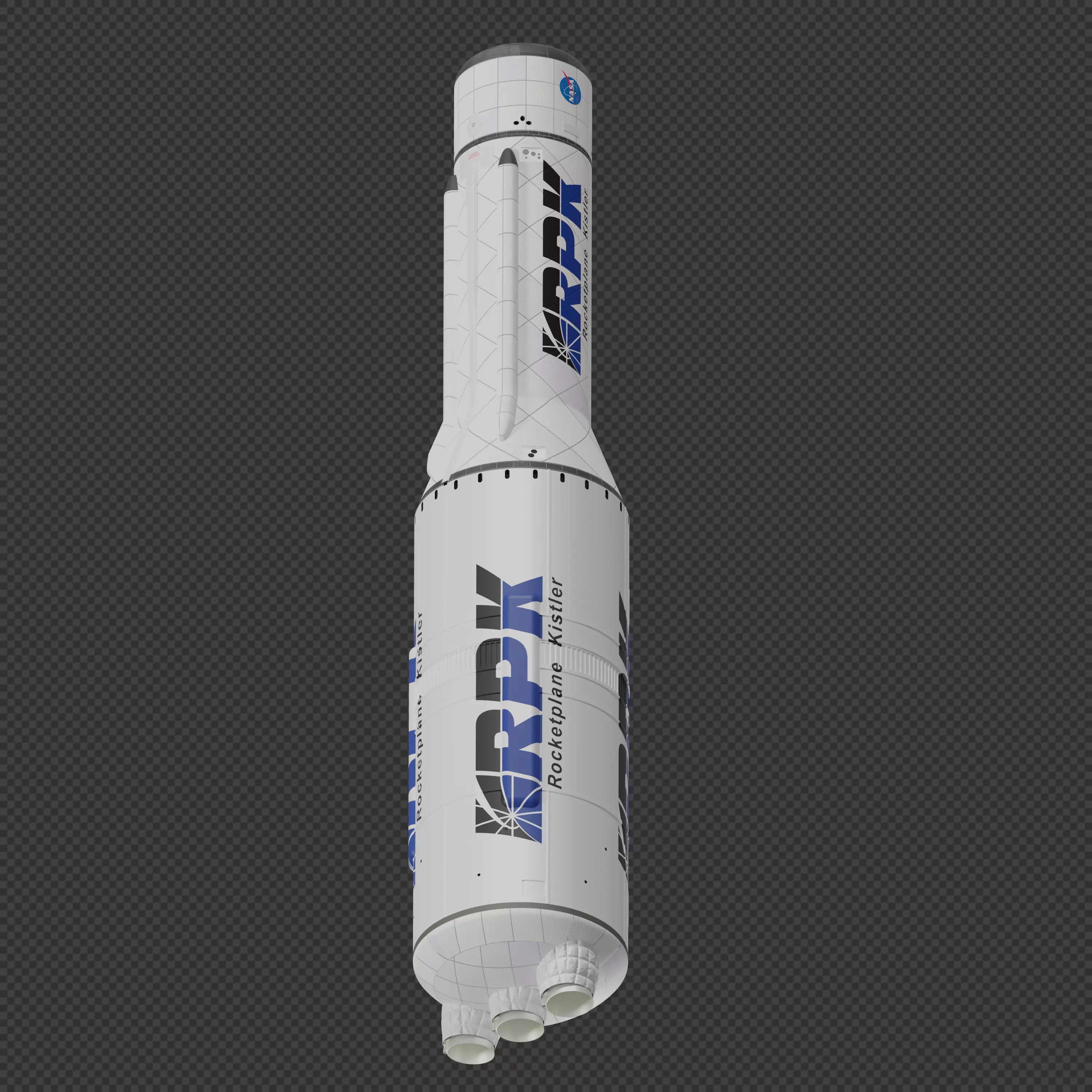
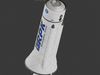
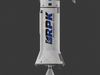
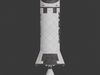
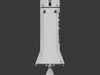
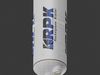
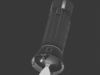
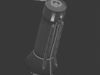
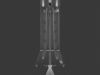
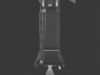
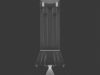
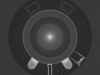
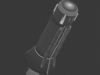
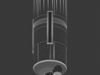
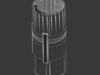
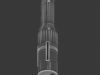
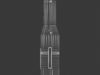
The K-1 was a reusable launch vehicle developed by Kistler Aerospace (later Rocketplane Kistler) in the 1990s and 2000s. K-1 was funded by NASA's Space Launch Initiative, and later the ISS Commercial Orbital Transportation Services (COTS) program.
Both stages were reusable via parachute landing on land, and were powered by surplus Russian NK-33 and NK-43 engines (originally manufactured to support the N-1 moon rocket). Aerojet modified and modernized this surplus hardware into the AJ26 engine family, with new American controllers, valves, ignitors, and thrust vectoring systems. The other structures were built by a variety of subcontractors, including Lockheed Martin and Northrop Grumman
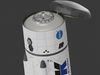
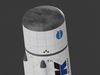
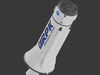
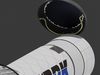
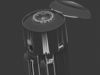
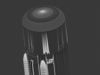
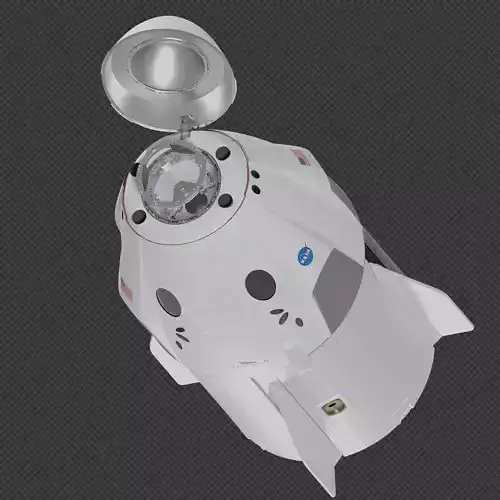
The second stage (the Orbital Vehicle) was capable of long-duration, high-maneuverability spaceflight. Under the COTS program, a variant of this stage would have delivered cargo and eventually crew to the International Space Station. Other configurations of the OV would have replaced this Pressurized Cargo Module with a small payload bay for satellite launch, sized approximately to support three Iridium NEXT satellites at a time. Orbital insertion would use an NK-43-based main engine, while subsequent maneuvering would use a separate, smaller engine. The OV would reenter nose-first, with a flared aft section providing drag to keep it at a stable orientation during hypersonic flight. The nose heat shield was hinged, allowing it to open for payload deployment or to expose the docking port used on the station logistics variant. The interior of the nose cap may also contain a solar panel to support long-duration missions
The first stage (the Launch Assist Platform) was a comparably simple vehicle. Its three NK-33-derived main engines powered the K-1 during the first few minutes of flight, and the center engine would re-start to boost back to the launch site for reuse. It would land on its side using airbag cushions
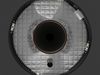
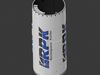
File includes the Launch Assist Platform booster, as well as the Orbital Vehicle second stage, with swappable payload modules (Standard Payload Module, Extended Payload Module, Pressurized Cargo Module, and Crew Module). The OV nose cap, Flight Releasable Grapple Fixture door, and star tracker door are articulated. Some interior structural details have been modeled as well.
All materials and textures are packed into the .blend file. Instancing, geometry nodes, and modifiers have been used to reduce file size and enable easy editing. A zip file is also included containing all the textures.