High-quality 3D assets at affordable prices — trusted by designers, engineers, and creators worldwide. Made with care to be versatile, accessible, and ready for your pipeline.
Included File Formats
This model is provided in 14 widely supported formats, ensuring maximum compatibility:
• - FBX (.fbx) – Standard format for most 3D software and pipelines
• - OBJ + MTL (.obj, .mtl) – Wavefront format, widely used and compatible
• - STL (.stl) – Exported mesh geometry; may be suitable for 3D printing with adjustments
• - STEP (.step, .stp) – CAD format using NURBS surfaces
• - IGES (.iges, .igs) – Common format for CAD/CAM and engineering workflows (NURBS)
• - SAT (.sat) – ACIS solid model format (NURBS)
• - DAE (.dae) – Collada format for 3D applications and animations
• - glTF (.glb) – Modern, lightweight format for web, AR, and real-time engines
• - 3DS (.3ds) – Legacy format with broad software support
• - 3ds Max (.max) – Provided for 3ds Max users
• - Blender (.blend) – Provided for Blender users
• - SketchUp (.skp) – Compatible with all SketchUp versions
• - AutoCAD (.dwg) – Suitable for technical and architectural workflows
• - Rhino (.3dm) – Provided for Rhino users
Model Info
• - All files are checked and tested for integrity and correct content
• - Geometry uses real-world scale; model resolution varies depending on the product (high or low poly)
• • - Scene setup and mesh structure may vary depending on model complexity
• - Rendered using Luxion KeyShot
• - Affordable price with professional detailing
Buy with confidence. Quality and compatibility guaranteed.
If you have any questions about the file formats, feel free to send us a message — we're happy to assist you!
Sincerely,
SURF3D
Trusted source for professional and affordable 3D models.
More Information About 3D Model :
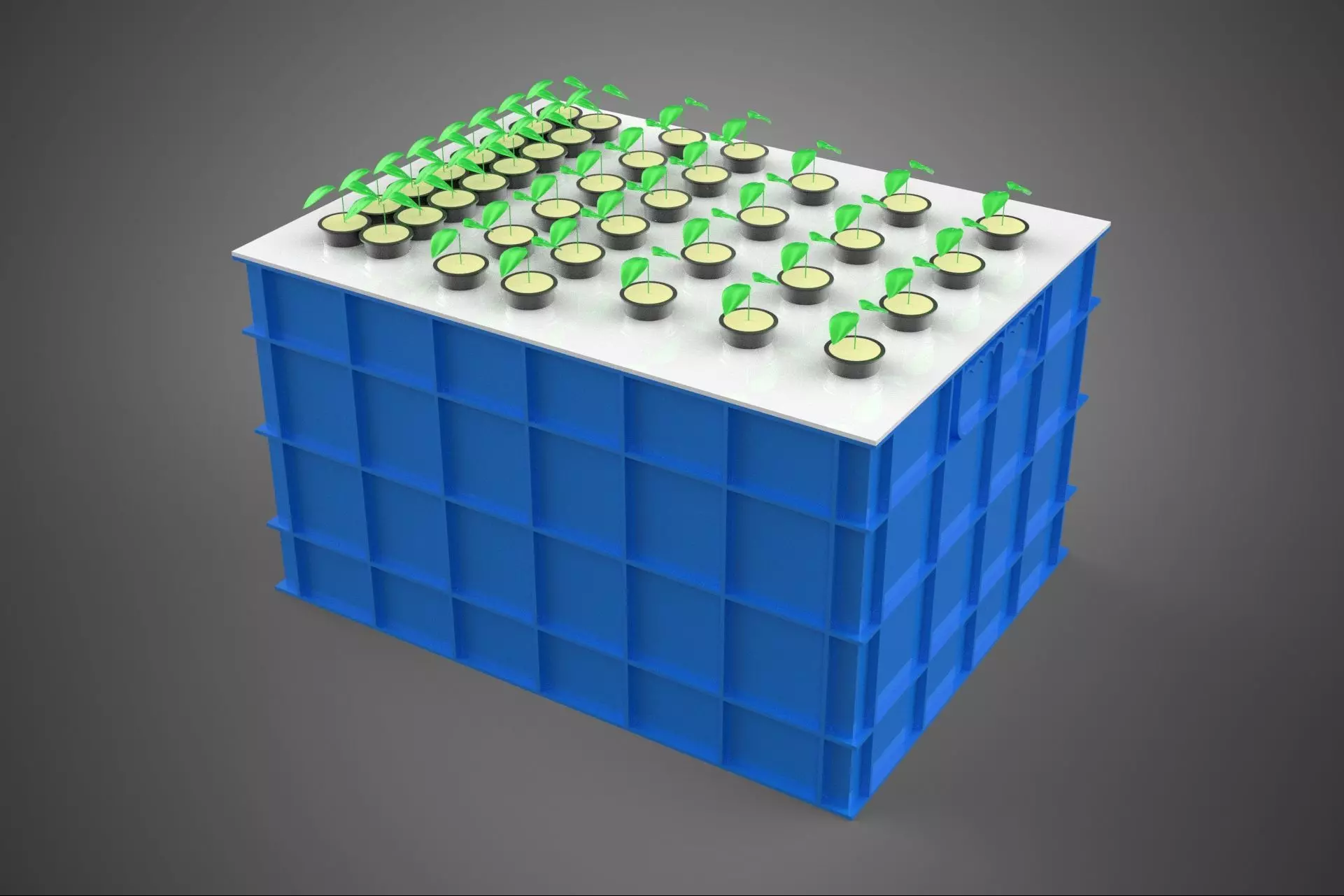
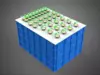
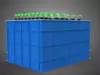
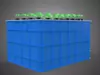
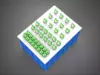
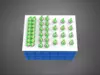
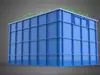
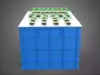
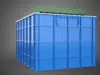
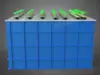
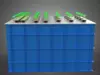
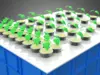
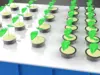
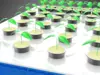
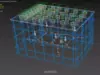
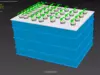
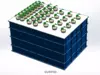
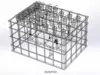
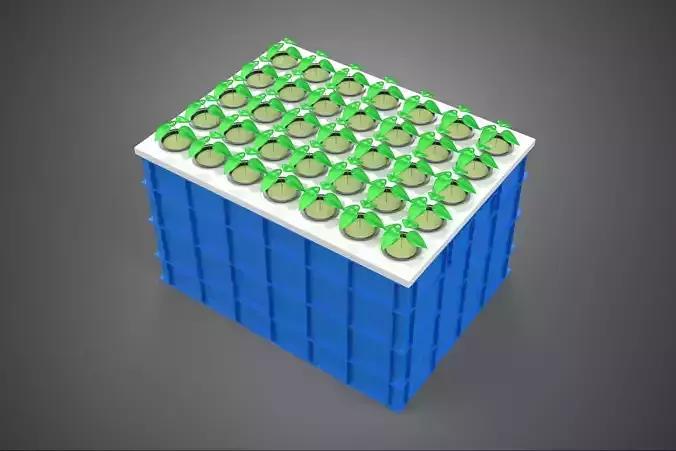
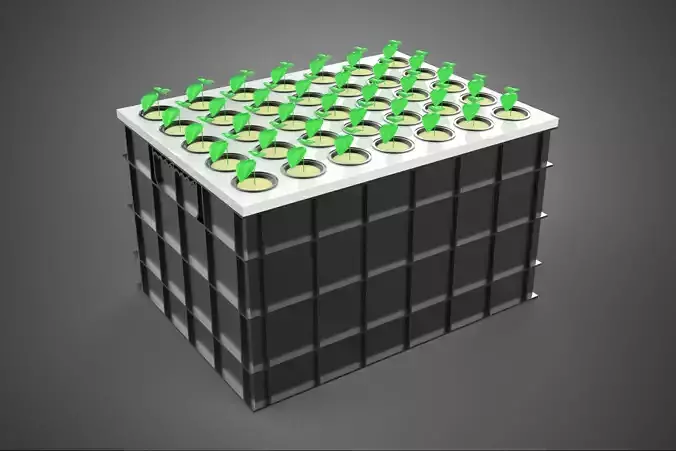
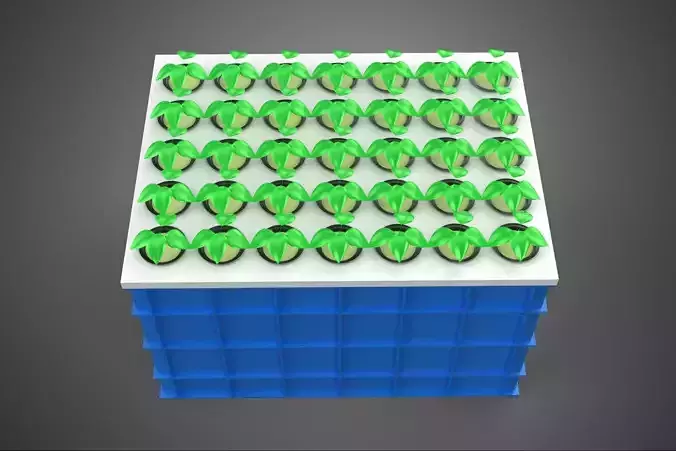
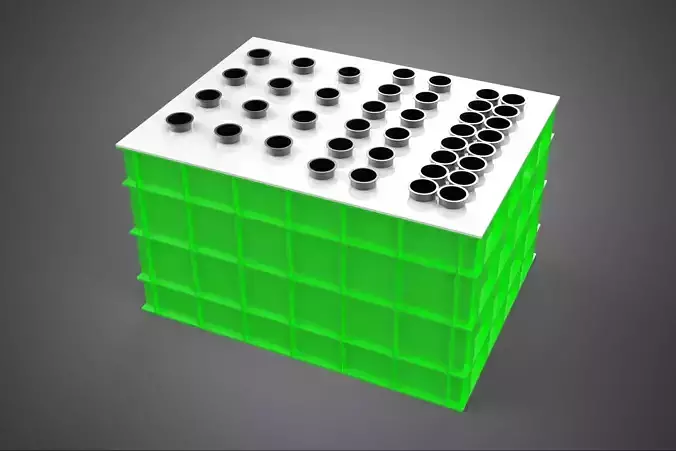
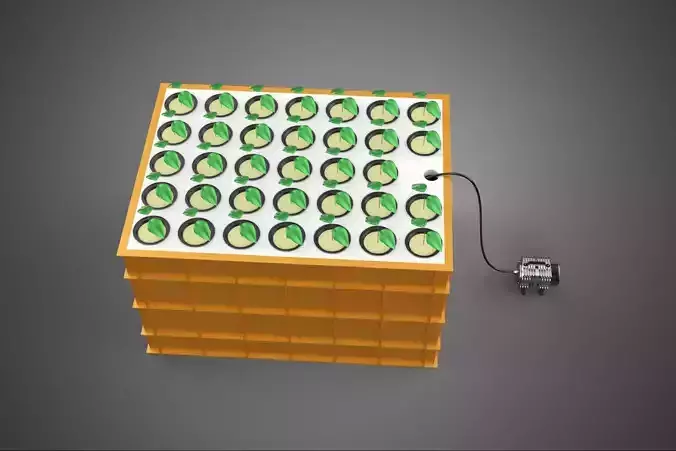
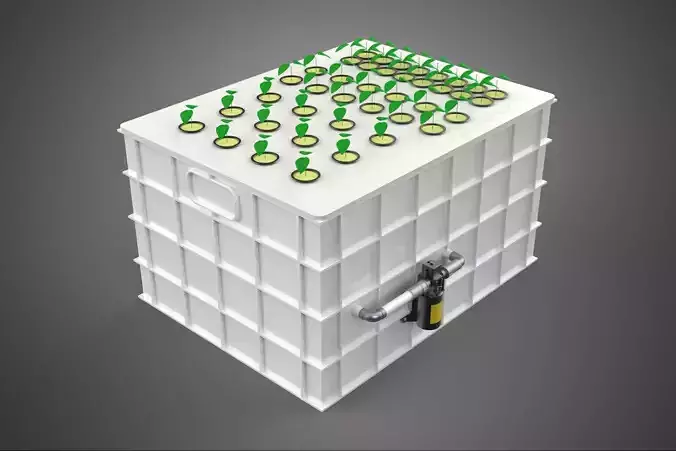
The Water Tank Crate Storage Container Aeroponic Plant Grow Farm (WTC-SCA-PGF) is a specialized, integrated apparatus designed for controlled environment agriculture (CEA), specifically employing aeroponic methodology. It functions as a modular unit optimized for high-density cultivation of various botanical species, ranging from leafy greens and herbs to small fruits, without reliance on traditional soil media. The system is defined by its hybrid structure, combining industrial standardization (container/crate dimensions) with sophisticated environmental control technology.
Nomenclature and Classification
The nomenclature reflects the system's structural hierarchy and functional purpose. The Water Tank component refers to the nutrient reservoir; the Crate Storage Container denotes the structural enclosure and root zone chamber; and the Aeroponic Plant Grow Farm defines the physiological cultivation technique used. The WTC-SCA-PGF is classified as a closed-loop, recirculating, soilless cultivation system, positioning it within the broader category of vertical farming infrastructure. Its design often emphasizes stackability and portability, making it suitable for urban farming initiatives and retrofitted containerized farming installations.
Core Components and Design
The apparatus consists of three primary interconnected sections: the nutrient reservoir, the growth deck/root chamber, and the nutrient delivery subsystem.
1. Nutrient Reservoir (Water Tank)
This component, typically located at the base of the unit, serves as the closed holding vessel for the nutrient solution—a precisely balanced mixture of macro- and micronutrients dissolved in water. It is constructed from inert, food-grade materials (often high-density polyethylene or polypropylene) to prevent chemical contamination. The reservoir must be opaque to inhibit photosynthetic algal growth, which consumes dissolved oxygen and destabilizes nutrient concentration (EC) and acidity (pH). The tank usually incorporates ports for recirculation pumps, water level monitoring, and sensor placement for continuous real-time data acquisition of pH, electrical conductivity (EC), and temperature.
2. Growth Chamber (Crate Storage Container)
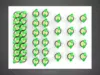
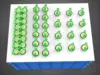
This structural enclosure defines the environment for the plant roots and supports the upper canopy. Functionally, it acts as the primary root zone chamber. Plants are suspended via specialized net pots or collars inserted into apertures on the top surface of the crate (the growth deck). The interior of the chamber is maintained in total darkness to optimize root development and minimize risk of root diseases promoted by light exposure. The crate's design facilitates the containment of the nutrient mist environment and is engineered to resist corrosion and humidity inherent in the aeroponic process.
3. Aeroponic Delivery Subsystem
This is the operational core of the system. It involves a high-pressure pump system that draws nutrient solution from the reservoir and forces it through specialized atomizing nozzles (misters or foggers) situated within the root chamber. The nozzles generate a fine aerosol (typically droplet sizes between 5 and 50 microns) which is delivered directly onto the exposed, suspended roots. Delivery is managed by precise electronic timers, operating on short cycles (e.g., 5-15 seconds of misting every 5-10 minutes) to ensure roots remain hydrated while maintaining maximum oxygen exposure. This intermittent misting differentiates aeroponics from hydro- or deep water culture systems, providing superior oxygen saturation necessary for rapid nutrient uptake and reduced incidence of anaerobic pathogens.
Operational Principles and Advantages
The WTC-SCA-PGF system leverages the principles of maximizing oxygen availability to the root zone, which significantly enhances nutrient absorption efficiency and growth rates compared to soil-based methods.
- Water Efficiency: Because the system is closed-loop and roots are misted rather than submerged, the WTC-SCA-PGF utilizes significantly less water than conventional agriculture (up to 98% reduction) and standard hydroponic methods.
- Nutrient Control: The precise delivery system allows for fine-tuning of the nutrient profile across different growth stages, optimizing plant yield and nutritional content.
- Modularity and Space Utilization: The crate and container design promotes vertical stacking, resulting in an exceptionally high crop density per square meter of floor space, highly beneficial for space-constrained environments such as urban centers or research facilities.
- Environmental Stability: By enclosing the growing environment, the system provides superior protection against pests and diseases, often negating the need for chemical pesticides, and allows for strict regulation of temperature and humidity within the root chamber.
### Applications
These integrated systems are utilized primarily in commercial vertical farms, university research laboratories for horticultural studies, and community-supported agriculture (CSA) initiatives where space efficiency and predictable yield are paramount. The standardization inherent in the container/crate design facilitates automation, harvesting, and scaling of production.
KEYWORDS: Aeroponics, Controlled Environment Agriculture, CEA, Vertical Farming, Soilless Culture, Modular Agriculture, Nutrient Reservoir, Growth Chamber, Recirculating System, Hydroponics, Root Zone Oxygenation, Nutrient Film Technique, Containerized Farming, Urban Agriculture, High-Density Cultivation, Misting System, Nutrient Solution, EC Monitoring, pH Regulation, Crop Density, Stackable System, Automation, Agricultural Technology, Environmental Control, High-Pressure Pump, Root Suspension, Standardized Crate, Precision Farming, Commercial Grower, Water Efficiency.