High-quality 3D assets at affordable prices — trusted by designers, engineers, and creators worldwide. Made with care to be versatile, accessible, and ready for your pipeline.
Included File Formats
This model is provided in 14 widely supported formats, ensuring maximum compatibility:
• - FBX (.fbx) – Standard format for most 3D software and pipelines
• - OBJ + MTL (.obj, .mtl) – Wavefront format, widely used and compatible
• - STL (.stl) – Exported mesh geometry; may be suitable for 3D printing with adjustments
• - STEP (.step, .stp) – CAD format using NURBS surfaces
• - IGES (.iges, .igs) – Common format for CAD/CAM and engineering workflows (NURBS)
• - SAT (.sat) – ACIS solid model format (NURBS)
• - DAE (.dae) – Collada format for 3D applications and animations
• - glTF (.glb) – Modern, lightweight format for web, AR, and real-time engines
• - 3DS (.3ds) – Legacy format with broad software support
• - 3ds Max (.max) – Provided for 3ds Max users
• - Blender (.blend) – Provided for Blender users
• - SketchUp (.skp) – Compatible with all SketchUp versions
• - AutoCAD (.dwg) – Suitable for technical and architectural workflows
• - Rhino (.3dm) – Provided for Rhino users
Model Info
• - All files are checked and tested for integrity and correct content
• - Geometry uses real-world scale; model resolution varies depending on the product (high or low poly)
• • - Scene setup and mesh structure may vary depending on model complexity
• - Rendered using Luxion KeyShot
• - Affordable price with professional detailing
Buy with confidence. Quality and compatibility guaranteed.
If you have any questions about the file formats, feel free to send us a message — we're happy to assist you!
Sincerely,
SURF3D
Trusted source for professional and affordable 3D models.
More Information About 3D Model :
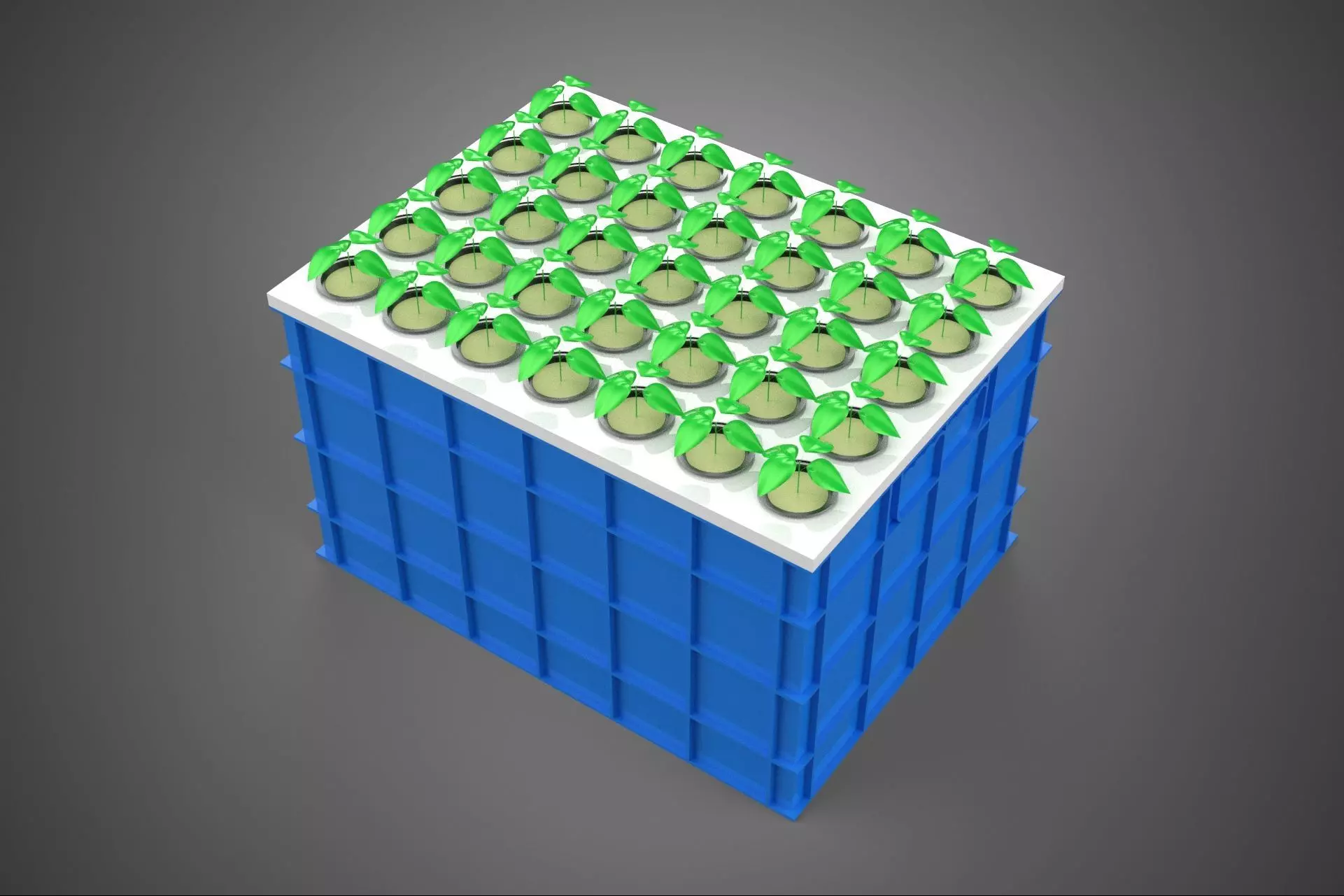
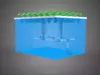
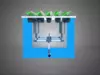
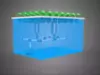
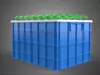
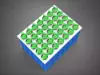
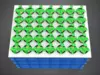
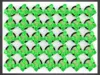
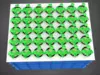
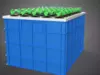
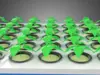
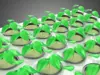
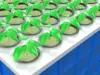
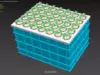
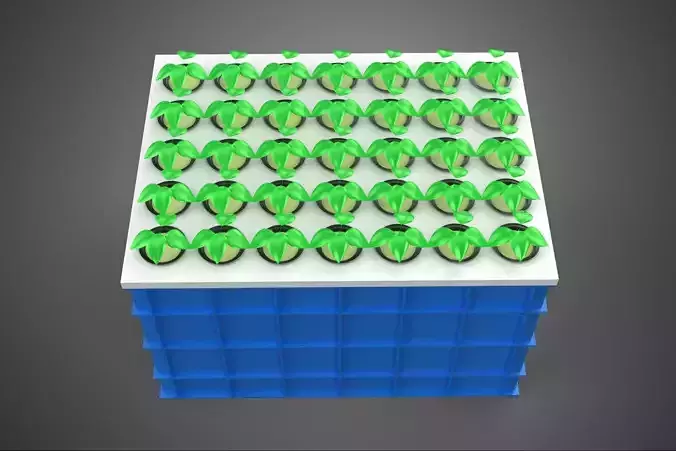
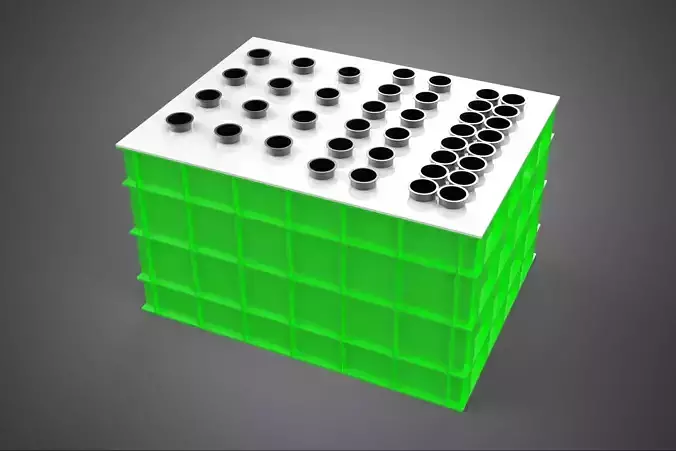
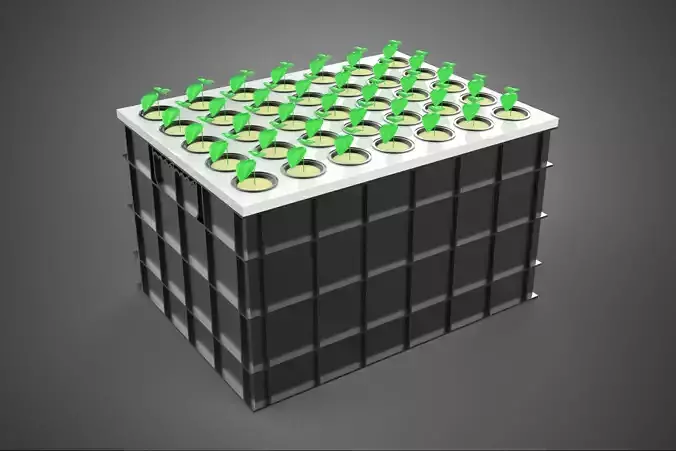
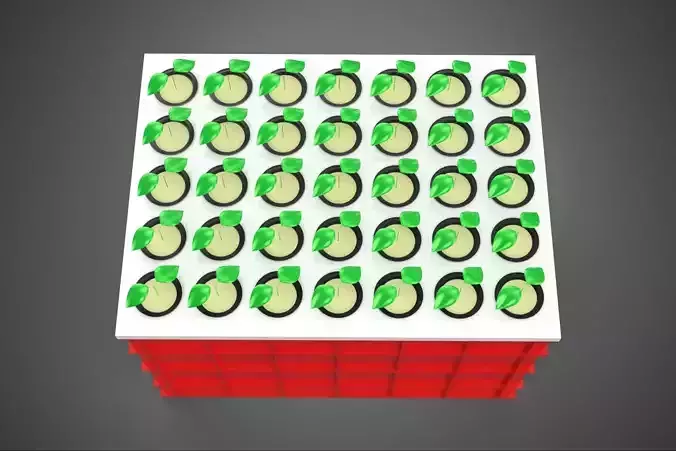
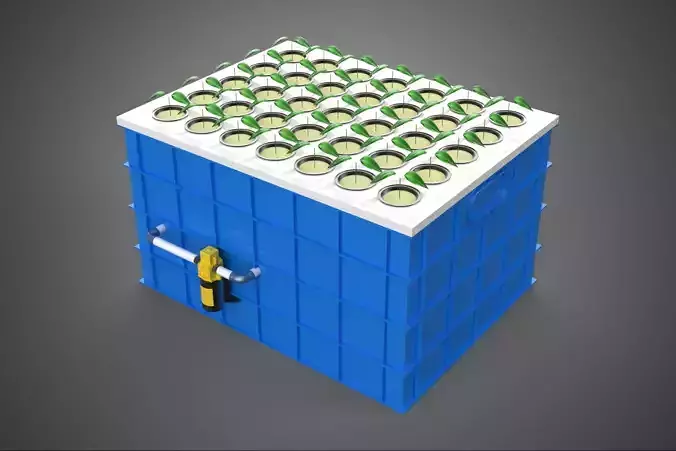
The following is a detailed, formal, and encyclopedic description of a PLASTIC WATER TANK STORAGE CONTAINER AEROPONIC PLANT GROW FARM.
***
PLASTIC WATER TANK STORAGE CONTAINER AEROPONIC PLANT GROW FARM
A Plastic Water Tank Storage Container Aeroponic Plant Grow Farm (PWT-SCAPGF) refers to an engineered controlled environment agriculture (CEA) system utilizing commercially available, large-volume, plastic storage tanks or containers as the primary structural and containment components for cultivating plants via aeroponics. This methodology represents a practical application of modular agriculture, often employed in small- to medium-scale commercial operations, research facilities, educational settings, or decentralized urban farming initiatives.
Structural and Component Overview
The core structure of the PWT-SCAPGF revolves around robust, often opaque or UV-stabilized, polyethylene (PE) or polypropylene (PP) plastic tanks. These tanks, typically designed for potable water storage, bulk chemical containment, or intermediate bulk container (IBC) specifications, are repurposed to function as the nutrient reservoir and the sealed plant growth chamber.
Key Components:
-
Plastic Storage Container (Growth Chamber/Reservoir): Serves dual purposes: as the main reservoir for the nutrient solution and, when modified, as the sealed environment (rhizosphere chamber) where plant roots are suspended. Opacity is crucial to prevent light penetration, which inhibits algal growth within the reservoir.
-
Aeroponic Manifold and Nozzles: Precision spray nozzles, typically operating at high pressure (e.g., 60–90 psi), are strategically positioned inside the growth chamber. These nozzles atomize the nutrient solution into fine mist droplets (typically 5–50 micrometers) that are delivered directly to the suspended plant roots.
-
High-Pressure Pump System: A specialized pump system is required to achieve the necessary pressure for effective nutrient atomization. This system typically includes a pressure accumulator tank, a pressure gauge, and automated safety shut-offs.
-
Nutrient Solution Delivery System: Includes tubing, filtration units (to prevent nozzle clogging), and a recirculating mechanism that draws the solution from the reservoir and cycles it through the manifold.
-
Plant Support Structure: Net pots, typically placed in holes drilled into the container lid or a secondary structural panel, hold the base of the plant (stem and collar) while allowing the root structure to extend into the pressurized mist chamber.
-
Environmental Controls: Sophisticated sensors (pH, Electrical Conductivity (EC), temperature) and automated controllers regulate the nutrient delivery cycles, monitor solution parameters, and manage internal environment variables, often including supplemental LED grow lighting if the tank is housed indoors or shielded from natural sunlight.
### Operational Principle (Aeroponics)
Aeroponics is a method where plant roots are continuously or intermittently suspended in the air and misted with a nutrient-rich aqueous solution. The PWT-SCAPGF operates on a cycling schedule, ensuring roots receive maximum oxygenation (critical differentiator from hydroponics) while maintaining consistent hydration and nutrient uptake.
The sealed nature of the plastic container provides a controlled rhizosphere environment, minimizing waterborne pathogens and allowing precise management of temperature and humidity around the roots. The high degree of oxygenation facilitated by the misting process enhances root respiration, accelerating growth rates and improving nutrient absorption efficiency compared to soil-based or traditional hydroponic systems.
### Advantages of Using Plastic Storage Tanks
The use of repurposed or standard plastic storage tanks offers several distinct advantages in the development of modular aeroponic farms:
-
Modularity and Scalability: Tanks are standardized units, facilitating easy expansion (adding more tanks) and relocation.
-
Cost-Effectiveness: Standardized plastic tanks are often more affordable and readily available than custom-fabricated stainless steel or fiberglass growth chambers.
-
Durability and Hygiene: Polyethylene and polypropylene are highly durable, non-corrosive, and easy to sanitize, reducing the risk of pathogen accumulation.
-
Resource Efficiency: The closed-loop system minimizes water evaporation and nutrient runoff, making it highly water and nutrient efficient.
### Applications
PWT-SCAPGF systems are suitable for growing high-value crops that benefit significantly from rapid growth cycles and controlled environments, including: leafy greens (lettuce, spinach), herbs (basil, mint), small fruits (strawberries), and root crops (potatoes, when modified for deep chamber growth). These systems are particularly relevant in areas facing water scarcity or limited arable land, contributing to localized food security efforts.
***
KEYWORDS: Aeroponics, Controlled Environment Agriculture, Modular Farming, Plastic Storage Tank, Hydroponics, Recirculating System, Nutrient Delivery System, High-Pressure Misting, Polyethylene, Urban Agriculture, Vertical Farming, Root Zone Management, Water Efficiency, Crop Production, Plant Growth Chamber, CEA System, Rhizosphere, Nutrient Solution, IBC Container, Environmental Control, Precision Agriculture, Automation, Microdroplets, Non-Corrosive, Filtration, Sustainability, Food Security, Agricultural Technology, Closed-Loop System, Plant Factory.