High-quality 3D assets at affordable prices — trusted by designers, engineers, and creators worldwide. Made with care to be versatile, accessible, and ready for your pipeline.
Included File Formats
This model is provided in 14 widely supported formats, ensuring maximum compatibility:
• - FBX (.fbx) – Standard format for most 3D software and pipelines
• - OBJ + MTL (.obj, .mtl) – Wavefront format, widely used and compatible
• - STL (.stl) – Exported mesh geometry; may be suitable for 3D printing with adjustments
• - STEP (.step, .stp) – CAD format using NURBS surfaces
• - IGES (.iges, .igs) – Common format for CAD/CAM and engineering workflows (NURBS)
• - SAT (.sat) – ACIS solid model format (NURBS)
• - DAE (.dae) – Collada format for 3D applications and animations
• - glTF (.glb) – Modern, lightweight format for web, AR, and real-time engines
• - 3DS (.3ds) – Legacy format with broad software support
• - 3ds Max (.max) – Provided for 3ds Max users
• - Blender (.blend) – Provided for Blender users
• - SketchUp (.skp) – Compatible with all SketchUp versions
• - AutoCAD (.dwg) – Suitable for technical and architectural workflows
• - Rhino (.3dm) – Provided for Rhino users
Model Info
• - All files are checked and tested for integrity and correct content
• - Geometry uses real-world scale; model resolution varies depending on the product (high or low poly)
• • - Scene setup and mesh structure may vary depending on model complexity
• - Rendered using Luxion KeyShot
• - Affordable price with professional detailing
Buy with confidence. Quality and compatibility guaranteed.
If you have any questions about the file formats, feel free to send us a message — we're happy to assist you!
Sincerely,
SURF3D
Trusted source for professional and affordable 3D models.
More Information About 3D Model :
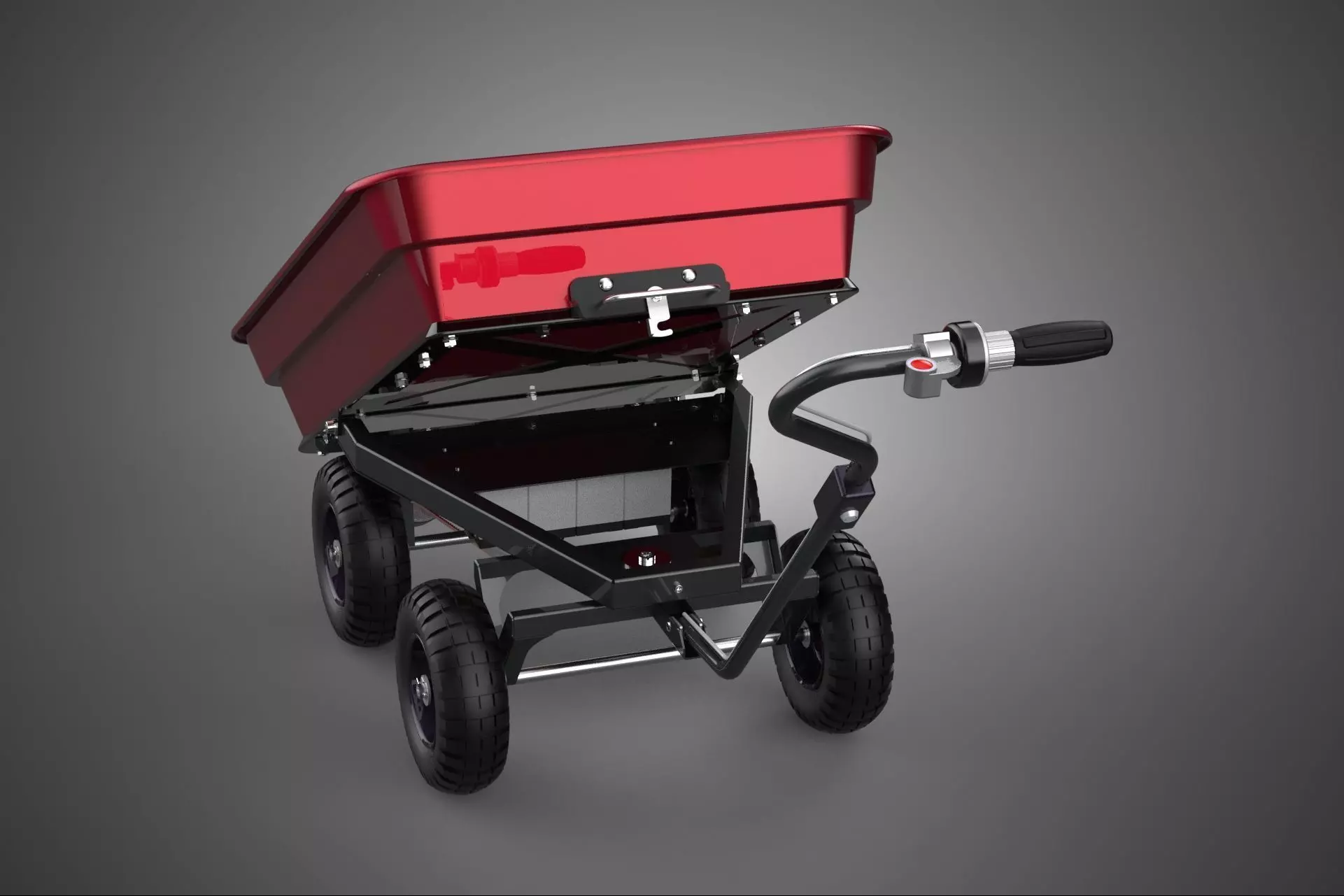
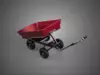
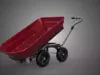
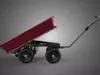
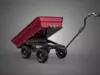
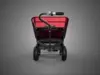
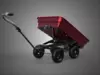
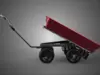
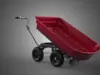
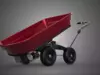
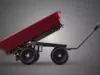
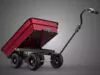
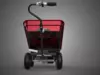
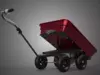
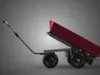
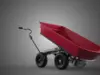
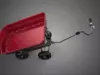
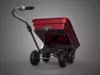
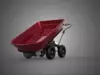
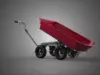
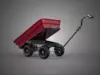
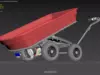
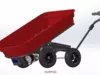
Tipping Electric Cart Garbage Rubbish Trash Waste Bin Collection
This term describes a specialized and integrated waste management system involving the collection of discarded materials using an electrically powered utility vehicle equipped with a mechanical tipping mechanism for emptying waste containers. It represents a modern approach to refuse collection, emphasizing operational efficiency, environmental sustainability, and reduced impact in sensitive or dense environments. The system facilitates the hygienic and ergonomic transfer of municipal solid waste (MSW) and other segregated waste streams from various bins into a dedicated collection vehicle.
Components and Operation:
- Electric Cart (Electric Waste Collection Vehicle):
The core of this system is a battery-electric vehicle designed for waste collection. These carts are characterized by:
- Propulsion: Utilizes rechargeable batteries to power electric motors, resulting in zero tailpipe emissions (e.g., NOx, PM2.5, CO2) at the point of use. This significantly contributes to improved local air quality, particularly in urban and enclosed environments.
- Noise Reduction: Electric drivetrains operate at substantially lower noise levels compared to traditional internal combustion engine (ICE) vehicles. This minimizes auditory disturbance, making them ideal for operations in residential areas, hospitals, educational campuses, and during off-peak hours.
- Maneuverability: Typically featuring a compact design and a tight turning radius, electric carts are highly maneuverable. This enables efficient navigation through narrow streets, pedestrian zones, parks, and congested urban areas where larger conventional refuse trucks may be impractical or restricted.
- Capacity: While often smaller than heavy-duty refuse trucks, their load capacities are optimized for specific routes, high-density collection points, or segregated waste streams.
- Tipping Mechanism:
An integral feature of the electric cart is the tipping mechanism, which automates the process of emptying waste bins. This system is designed for ergonomic operation and typically involves:
- Lift and Tilt System: Hydraulic or electric actuators power a set of arms or a cradle that engages with the waste bin. Once secured, the mechanism lifts the bin and inverts (tips) it over an integrated hopper or collection bay, allowing its contents to fall into the cart's storage compartment.
- Bin Compatibility: Tipping mechanisms are frequently designed to be compatible with standardized wheeled bins (e.g., EN 840 series for European standards, or various national/local specifications for roll-out carts), ensuring broad applicability within a defined service area.
- Safety Features: Modern systems incorporate safety interlocks, emergency stop buttons, and protective guarding to prevent accidents and ensure the safety of operators and bystanders during the collection process.
- Garbage, Rubbish, Trash, Waste Bins:
These terms are used broadly to describe the containers holding discarded materials. The collection system interfaces primarily with wheeled bins, which can vary significantly in capacity (e.g., from 80 liters to 1100 liters). The collected materials can range from general municipal solid waste (non-segregated household or commercial refuse) to specific segregated waste streams such as recyclables (paper, plastic, glass, metal) or organic waste, depending on the waste management strategy implemented by the local authority or facility.
Advantages:
- Environmental Benefits: Significant reduction in local air pollution and greenhouse gas emissions, aligning with global and local sustainability initiatives and urban environmental policies.
- Noise Abatement: Contributes to a quieter urban soundscape, enhancing the quality of life for residents and enabling less disruptive operations.
- Operational Efficiency: Lower operating costs due to reduced fuel expenses (electricity is often cheaper than fossil fuels) and potentially lower maintenance requirements for electric powertrains. Improved maneuverability optimizes route planning and collection times in confined spaces.
- Worker Safety and Ergonomics: Automation of the lifting and emptying process reduces physical strain, repetitive motion injuries, and exposure to hazardous materials for collection personnel.
- Public Image: Projects a progressive and environmentally responsible image for municipalities, businesses, or institutions adopting these systems.
Applications:
Tipping electric cart waste collection systems are particularly well-suited for diverse applications, including:
- Dense Urban Centers: Where air quality, noise, and maneuverability are critical considerations.
- Pedestrianized Zones and Public Parks: Minimizing disruption to public leisure areas.
- Educational and Healthcare Campuses: Maintaining serene and clean environments.
- Resorts, Hotels, and Leisure Facilities: Preserving aesthetic appeal and guest comfort.
- Large Industrial or Commercial Complexes: For internal logistics and waste transfer within facility boundaries.
- Gated Communities and Residential Estates: Where quiet operation and reduced environmental impact are highly valued.
Future Trends:
The field is continuously advancing with innovations in battery technology (leading to increased range and faster charging), integration of telematics and Internet of Things (IoT) devices for real-time monitoring, route optimization, and predictive maintenance. Furthermore, the development of semi-autonomous or fully autonomous collection capabilities in controlled environments holds promise for further enhancements in efficiency and safety.
In essence, the tipping electric cart garbage rubbish trash waste bin collection system represents a forward-thinking, sustainable, and socially responsible solution for modern waste management, especially valuable in urban and sensitive operational settings.