High-quality 3D assets at affordable prices — trusted by designers, engineers, and creators worldwide. Made with care to be versatile, accessible, and ready for your pipeline.
Included File Formats
This model is provided in 14 widely supported formats, ensuring maximum compatibility:
• - FBX (.fbx) – Standard format for most 3D software and pipelines
• - OBJ + MTL (.obj, .mtl) – Wavefront format, widely used and compatible
• - STL (.stl) – Exported mesh geometry; may be suitable for 3D printing with adjustments
• - STEP (.step, .stp) – CAD format using NURBS surfaces
• - IGES (.iges, .igs) – Common format for CAD/CAM and engineering workflows (NURBS)
• - SAT (.sat) – ACIS solid model format (NURBS)
• - DAE (.dae) – Collada format for 3D applications and animations
• - glTF (.glb) – Modern, lightweight format for web, AR, and real-time engines
• - 3DS (.3ds) – Legacy format with broad software support
• - 3ds Max (.max) – Provided for 3ds Max users
• - Blender (.blend) – Provided for Blender users
• - SketchUp (.skp) – Compatible with all SketchUp versions
• - AutoCAD (.dwg) – Suitable for technical and architectural workflows
• - Rhino (.3dm) – Provided for Rhino users
Model Info
• - All files are checked and tested for integrity and correct content
• - Geometry uses real-world scale; model resolution varies depending on the product (high or low poly)
• • - Scene setup and mesh structure may vary depending on model complexity
• - Rendered using Luxion KeyShot
• - Affordable price with professional detailing
Buy with confidence. Quality and compatibility guaranteed.
If you have any questions about the file formats, feel free to send us a message — we're happy to assist you!
Sincerely,
SURF3D
Trusted source for professional and affordable 3D models.
More Information About 3D Model :
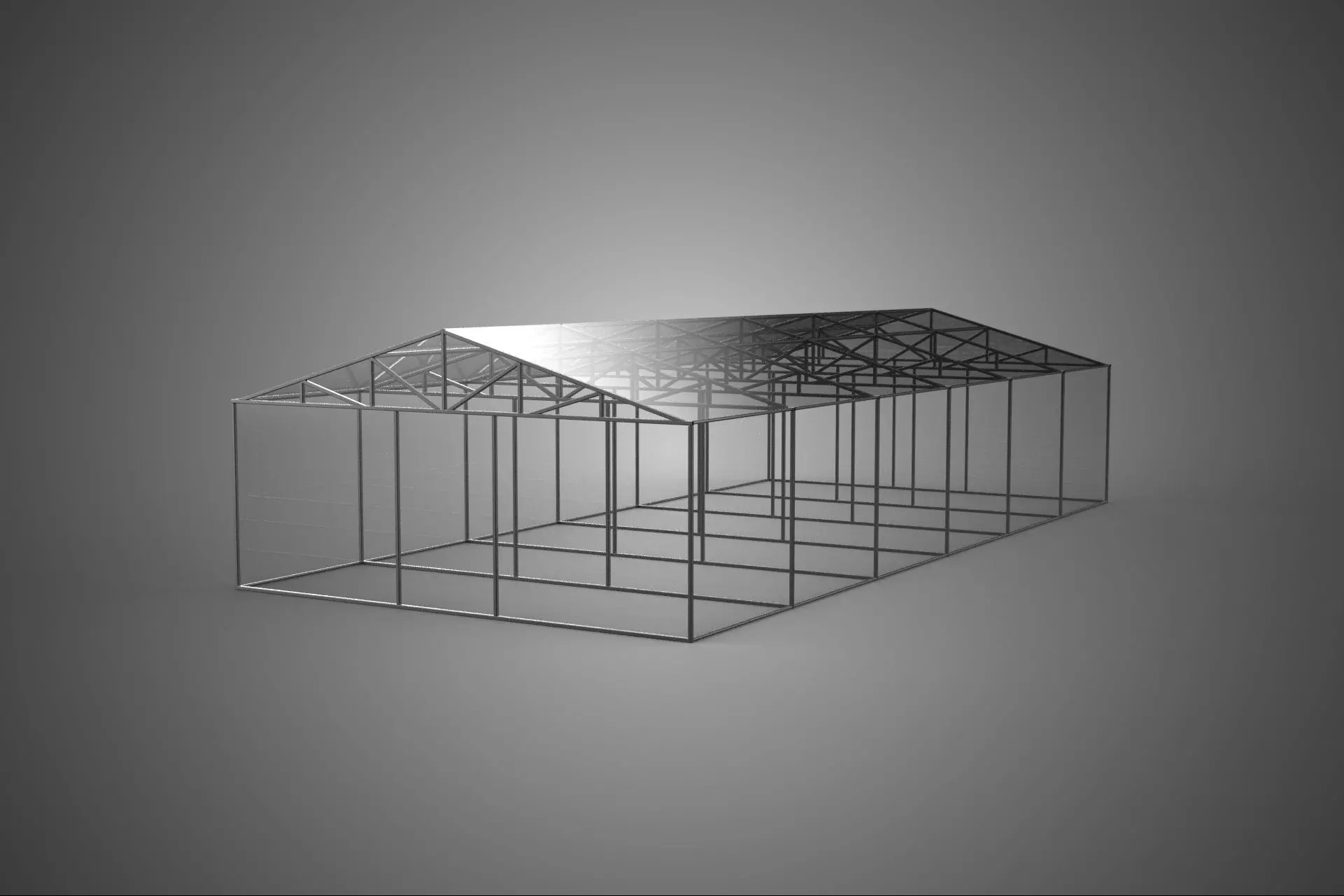
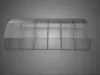
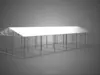
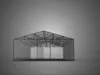
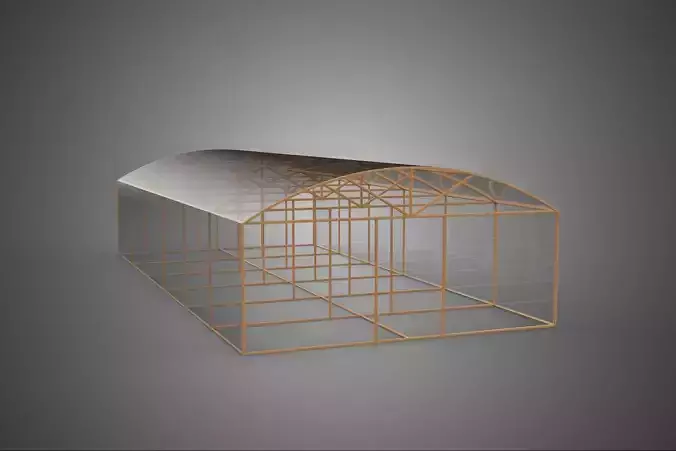
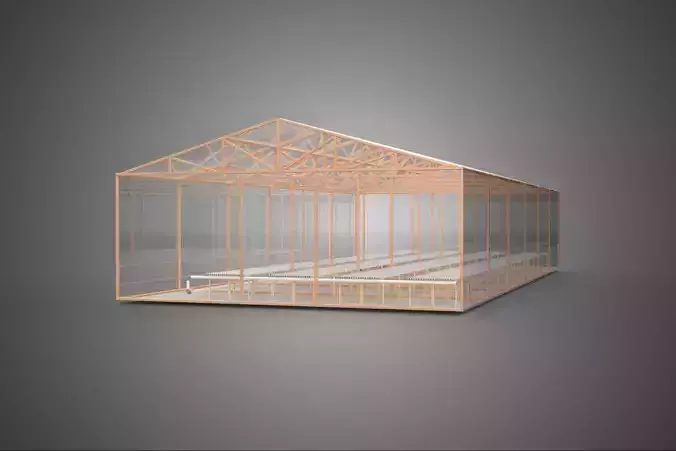
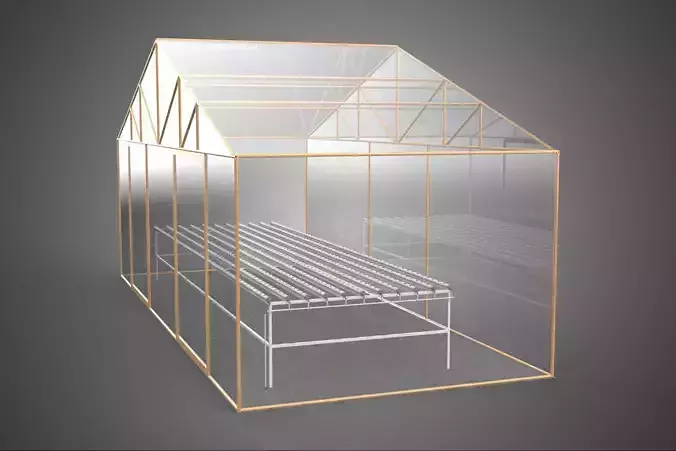
The terms Greenhouse, Hothouse, Glasshouse, and their associated applications in Plant Farm Cultivation Gardening refer to structures, technologies, and methodologies employed for the controlled cultivation of plants, particularly those requiring specific environmental conditions or protection from adverse weather, pests, or diseases. These structures are fundamentally architectural enclosures designed to optimize solar energy utilization and regulate internal climatic variables, thereby extending growing seasons, enabling exotic crop production, and improving yield reliability.
Nomenclature and Distinctions
While often used interchangeably, the terms possess subtle distinctions rooted in historical usage, architectural materials, and internal temperature regimes:
- Glasshouse (or Greenhouse): The most common and foundational term. It denotes a structure, traditionally covered with transparent or translucent material (historically glass, increasingly polycarbonate or specialized plastics), designed to trap solar radiation, a phenomenon commonly referred to as the greenhouse effect. The primary function is thermal regulation and light transmission suitable for photosynthesis.
- Hothouse: Historically, this term specifically referred to a greenhouse maintained at a significantly higher internal temperature and humidity level, often supplemented by artificial heating sources (e.g., steam pipes, furnaces). Hothouses are typically dedicated to tropical or subtropical plants, or to forcing early growth in temperate species. In modern commercial usage, the distinction often blurs, though “hothouse” retains the connotation of high heat requirements.
- Plant Farm: A macro-level designation referring to a commercial agricultural operation characterized by the large-scale production of crops. When combined with the preceding terms (e.g., Greenhouse Plant Farm), it implies industrial-scale cultivation utilizing controlled environmental agriculture (CEA) techniques within these structures for maximizing output and consistency.
### Architectural and Structural Components
The efficacy of these cultivation systems hinges upon sophisticated engineering and material science:
- Glazing Materials: Historically glass (high transmissivity, durability, but heavy and fragile), modern construction favors multi-wall polycarbonate sheets (excellent insulation, impact resistance), polyethylene films (cost-effective, lightweight), or acrylic panels. The choice dictates light spectrum transmission, thermal retention (U-value), and structural load capacity.
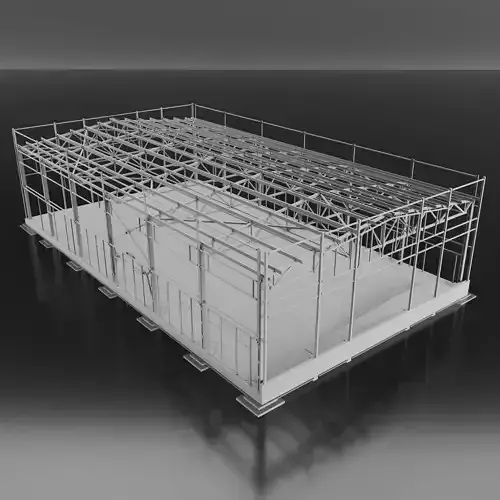
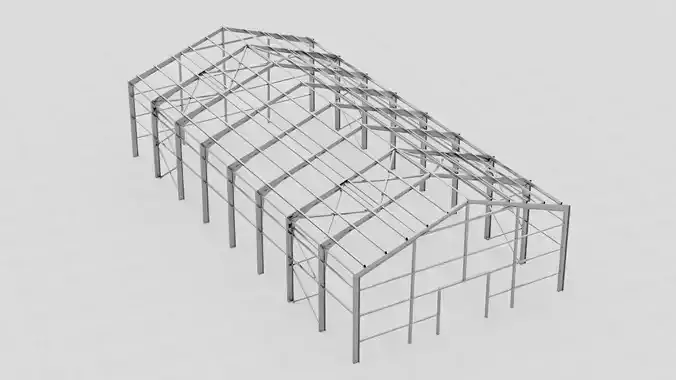
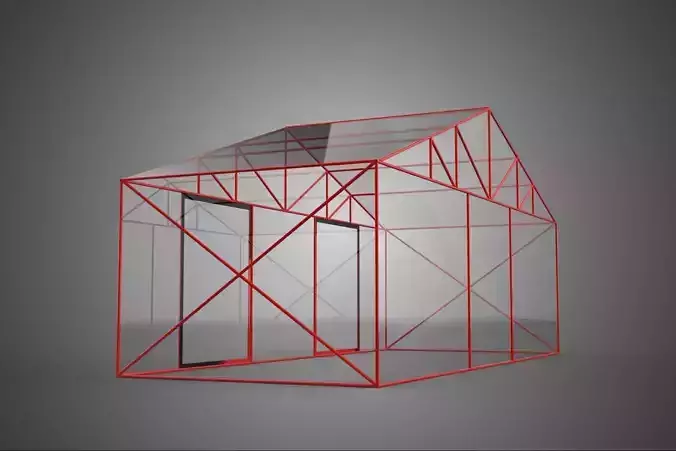
- Framing: Structural integrity is provided by frameworks of galvanized steel, aluminum, or treated wood. Commercial operations utilize gutter-connected designs (large contiguous blocks of houses) to maximize land use and facilitate mechanized access.
- Environmental Control Systems (ECS): Sophisticated automation manages crucial abiotic factors:
- Heating: Hydronic systems (hot water pipes), forced-air heaters, or radiant systems. Supplemental heat is essential during winter or for high-temperature crops.
- Ventilation and Cooling: Crucial for preventing overheating and humidity buildup. Achieved through natural ventilation (roof and side vents), forced-air fans, and evaporative cooling pads (pad-and-fan systems).
- Shading: Retractable internal thermal screens or external liquid shading compounds modulate solar intensity during peak periods.
- Humidity Control: Fogging systems or dehumidifiers maintain optimal vapor pressure deficit (VPD) for plant transpiration.
### Cultivation and Gardening Methodologies
Controlled environment structures support diverse horticultural practices:
- Substrates and Media: Traditional soil beds, specialized soilless mixes (peat moss, perlite, coir), or inert media (rockwool, sand, clay pellets).
- Hydroponics and Aeroponics: Water-based nutrient delivery systems (e.g., Deep Water Culture, Nutrient Film Technique) eliminate soil, conserving water and allowing precise control over nutrient uptake.
- Supplemental Lighting: High-Intensity Discharge (HID) lamps (e.g., High-Pressure Sodium, Metal Halide) or, increasingly, Light Emitting Diodes (LEDs) are used to extend the photoperiod or compensate for low natural light, tailoring the spectrum to specific crop needs (e.g., vegetative growth versus flowering).
- Integrated Pest Management (IPM): Structures facilitate exclusion of pests and allow the effective use of biological controls (natural predators and parasitoids) and targeted, localized pesticide application, reducing environmental impact compared to open-field farming.
### Economic and Ecological Significance
Greenhouse farming is a cornerstone of modern protected agriculture, yielding significant benefits:
- Yield Enhancement: Controlled conditions reduce stress, leading to higher quality and consistent yields per square meter compared to traditional farming.
- Water Efficiency: Recirculating hydroponic systems drastically reduce water consumption.
- Geographic Flexibility: Enables crop production year-round in climates otherwise unsuitable, ensuring local food security and reducing long-distance transport costs for high-value perishable goods (e.g., tomatoes, cucumbers, flowers).
KEYWORDS: Greenhouse, Glasshouse, Hothouse, Cultivation, Plant Farm, Protected Agriculture, Controlled Environment, Horticulture, Hydroponics, Soilless Culture, Crop Production, Environmental Control, Glazing Materials, Thermal Regulation, Supplemental Lighting, CEA, Growing Season Extension, Automation, Ventilation, Shading, Yield Optimization, Agricultural Engineering, Biocontrol, Integrated Pest Management, Commercial Farming, Climatic Control, Vapor Pressure Deficit, Substrates, Forced Growth, Transpiration.