High-quality 3D assets at affordable prices — trusted by designers, engineers, and creators worldwide. Made with care to be versatile, accessible, and ready for your pipeline.
Included File Formats
This model is provided in 14 widely supported formats, ensuring maximum compatibility:
• - FBX (.fbx) – Standard format for most 3D software and pipelines
• - OBJ + MTL (.obj, .mtl) – Wavefront format, widely used and compatible
• - STL (.stl) – Exported mesh geometry; may be suitable for 3D printing with adjustments
• - STEP (.step, .stp) – CAD format using NURBS surfaces
• - IGES (.iges, .igs) – Common format for CAD/CAM and engineering workflows (NURBS)
• - SAT (.sat) – ACIS solid model format (NURBS)
• - DAE (.dae) – Collada format for 3D applications and animations
• - glTF (.glb) – Modern, lightweight format for web, AR, and real-time engines
• - 3DS (.3ds) – Legacy format with broad software support
• - 3ds Max (.max) – Provided for 3ds Max users
• - Blender (.blend) – Provided for Blender users
• - SketchUp (.skp) – Compatible with all SketchUp versions
• - AutoCAD (.dwg) – Suitable for technical and architectural workflows
• - Rhino (.3dm) – Provided for Rhino users
Model Info
• - All files are checked and tested for integrity and correct content
• - Geometry uses real-world scale; model resolution varies depending on the product (high or low poly)
• • - Scene setup and mesh structure may vary depending on model complexity
• - Rendered using Luxion KeyShot
• - Affordable price with professional detailing
Buy with confidence. Quality and compatibility guaranteed.
If you have any questions about the file formats, feel free to send us a message — we're happy to assist you!
Sincerely,
SURF3D
Trusted source for professional and affordable 3D models.
More Information About 3D Model :
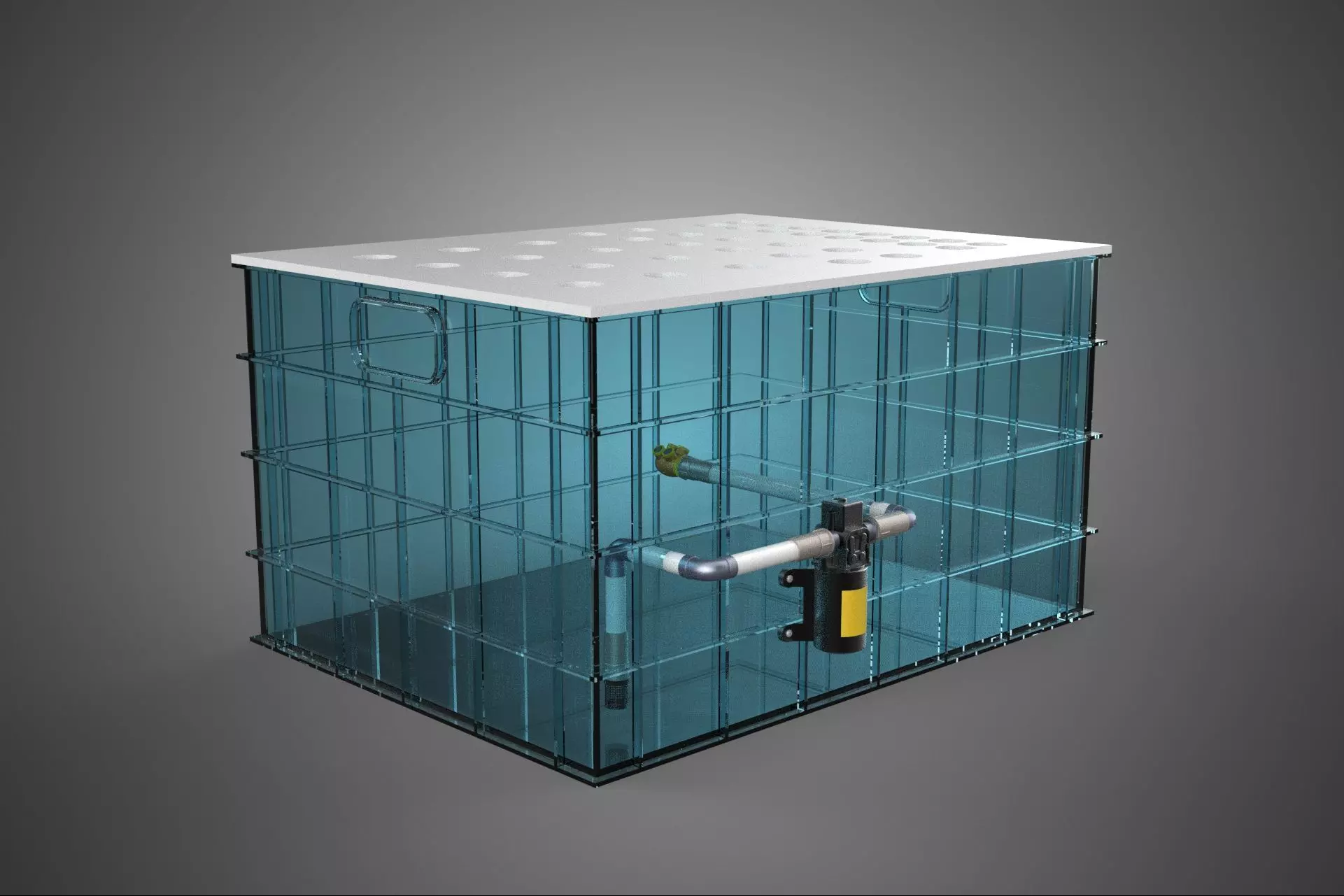
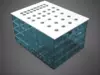
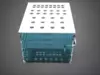
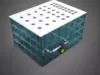
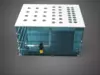
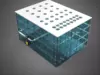
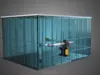
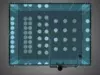
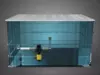
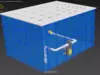
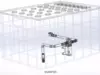
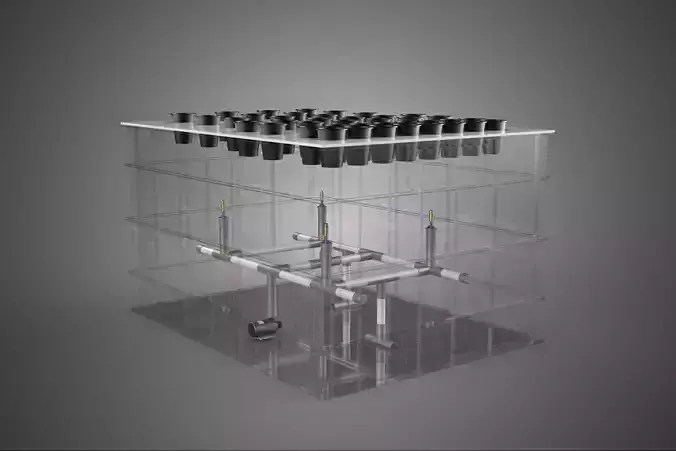
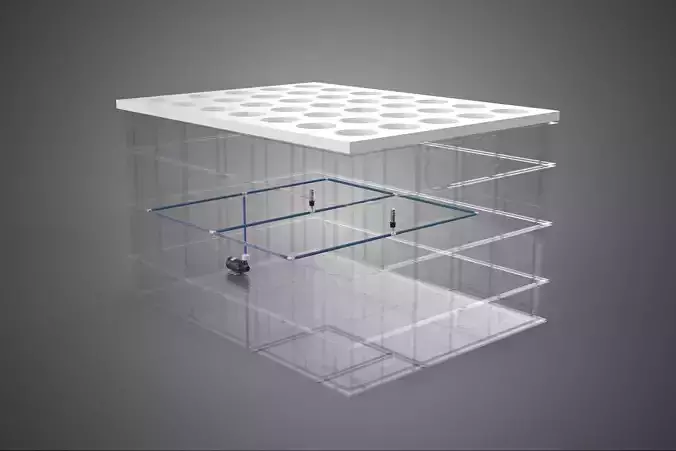
The system described by the nomenclature GRID ARRAY PLANTS HYDROPONIC AEROPONIC STATION MIST PUMP SPRAYER refers to a highly specialized and integrated apparatus utilized in Controlled Environment Agriculture (CEA) for the propagation and cultivation of plants using advanced soilless methods. It combines a high-density structural framework with pressurized nutrient delivery systems, optimized for maximizing yield and resource efficiency in limited spaces.
I. Structural Definition: The Grid Array Station
The Grid Array Station constitutes the physical housing and infrastructure component of the system. It is defined by a modular, high-density matrix—typically constructed from inert, food-grade materials such as PVC, HDPE, or high-impact plastics—designed to suspend plants vertically or horizontally.
The Grid Array principle focuses on maximizing Plant Site Density (PSD). Plants are supported in standardized openings, usually via specialized collars or net pots, with the bulk of the root mass suspended within an enclosed, light-impermeable root chamber. This chamber serves as the environment for either nutrient solution submersion (hydroponic mode) or aerosolized nutrient exposure (aeroponic mode). The design inherently facilitates recirculation, allowing nutrient runoff to drain back into a central reservoir.
II. Integrated Methodologies: Hydroponic and Aeroponic
The system is engineered for dual capability, although its primary advanced function is aeroponics:
- Hydroponic Functionality: In this mode, the grid array can support traditional Deep Water Culture (DWC) or variations of the Nutrient Film Technique (NFT), where roots are either partially submerged or constantly irrigated by a thin film of solution, respectively. This serves as a baseline or backup mode.
- Aeroponic Functionality (Primary Mode): This utilizes the unique hardware integration for true high-pressure aeroponics (HPA). The roots are suspended entirely in the air and are nourished by a pressurized, atomized mist. This technique is highly valued for maximizing oxygen availability to the roots (a critical factor in rapid growth and biomass accumulation).
### III. Technical Core: Mist Pump and Sprayer System
The efficacy of the aeroponic function relies entirely on the Mist Pump Sprayer system, which must achieve precise atomization of the nutrient solution (NS) into fine droplets.
#### A. The Mist Pump
The pump component is a high-pressure (HP) positive displacement pump, distinguishing it from standard low-pressure submersible pumps used in NFT or DWC systems. Effective high-pressure aeroponics requires generating pressure typically ranging from 60 PSI (4 bar) up to 120 PSI (8.2 bar). This high pressure is essential for forcing the NS through the micro-orifices of the sprayers. The pump is regulated by timers and solenoid valves to deliver pulsed bursts of mist rather than continuous saturation, optimizing the balance between nutrient delivery and oxygenation.
#### B. The Sprayer and Atomization
The Sprayer, or nozzle system, converts the pressurized flow into an aerosol. True aeroponic performance requires the majority of nutrient droplets to fall within the optimal root absorption range of 5 to 50 micrometers (µm). Droplets larger than 100 µm tend to puddle on the roots and hinder oxygen absorption, while droplets smaller than 5 µm may not carry sufficient nutrient payload. Specialized anti-drip fogging nozzles are strategically positioned within the root chamber to ensure uniform coverage across the entire root mass.
### IV. Operational Advantages
The Grid Array HPA system offers several technical advantages over traditional soil or low-pressure hydroponic methods:
- Water Use Efficiency: By recirculating the nutrient solution and delivering it precisely via mist, water consumption is significantly reduced—often by 90% compared to field agriculture and substantially less than DWC.
- Increased Yield and Growth Rate: The high level of dissolved oxygen (DO) available to the root system, coupled with precise nutrient delivery, promotes exceptionally rapid vegetative growth and potentially higher yields per square meter.
- Disease Management: The isolation of roots in air minimizes the transmission risk of waterborne pathogens (e.g., Pythium) common in submerged systems.
- Spatial Efficiency: The grid array structure facilitates dense planting and vertical farming applications, suitable for research facilities or commercial operations with constrained footprints.
KEYWORDS: Controlled Environment Agriculture, Aeroponics, Hydroponics, Grid Array, Mist Pump, High-Pressure Aeroponics, Atomization, Nutrient Delivery System, Recirculating System, Soilless Cultivation, Plant Site Density, Root Zone, CEA Apparatus, Solenoid Valve, Microdroplets, Deep Water Culture, Nutrient Film Technique, Pressurization, Fogging Nozzles, Vertical Farming, Precision Agriculture, Root Oxygenation, Crop Yield, Modular System, Hydroponic Station, HP Pump, Drip System, Root Chamber, Environmental Control, Micrometer Range.