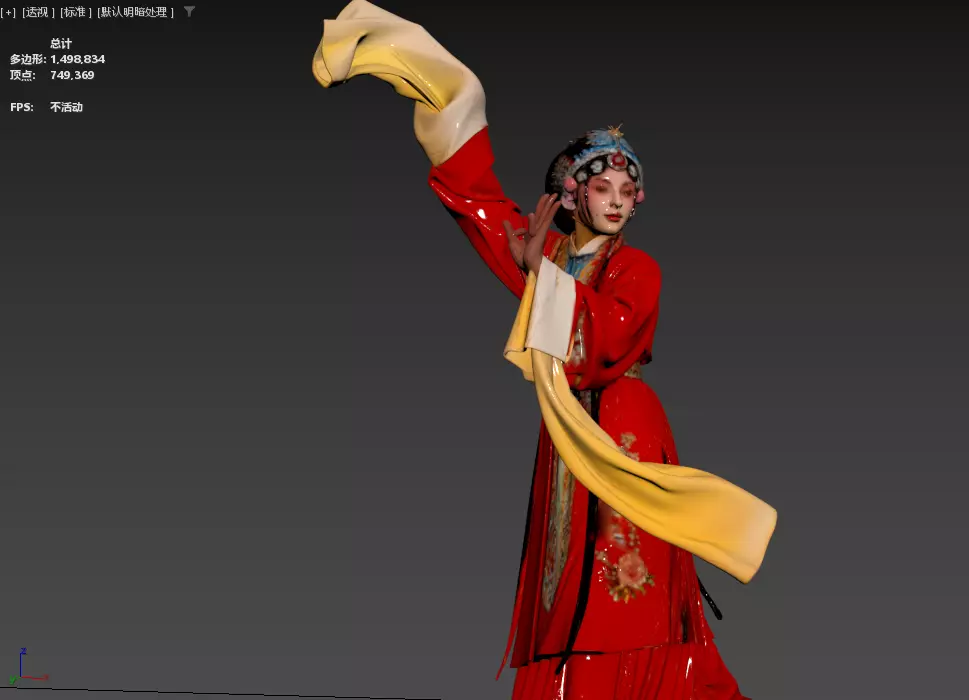
Peking Opera Dan roles are a general term for the various female roles played in Peking Opera. They are divided into six categories based on age, personality, and performance characteristics: Zheng Dan (Qingyi), Hua Dan, Dao Ma Dan, Wu Dan, Hua Shan, and Lao Dan. Zhengdan focuses on singing skills and often portrays dignified women; Huadan works hard with Jingbai, portraying lively characters; Dao Ma Dan combines martial arts and dance; Wu Dan specializes in stunt skills; The floral shirt combines the strengths of both the green and the female lead; Lao Dan uses her natural voice to portray elderly women. Hu Xilu revolutionized the singing style of Hubei music, Mei Qiaoling broke through the boundaries of her profession and created flag costume plays, Yu Ziyun integrated floral and green clothing techniques, and Chen Delin pioneered the Chen School green clothing style. After the 20th century, Wang Yaoqing laid the foundation for the floral dress industry. The four famous Dan masters, Mei Lanfang, Cheng Yanqiu, Shang Xiaoyun, and Xun Huisheng, respectively founded the Mei School, Cheng School, Shang School, and Xun School. The Mei School integrated various Dan roles, while the Cheng School excelled in throat singing. The Shang School emphasized both civil and martial arts, while the Xun School absorbed elements of Bangzi opera. Mei Lanfang created a new ancient costume drama and reformed the performance form of Dan roles in Drunken Concubine and Farewell My Concubine. Cheng Yanqiu went to Europe to investigate opera music, and Xun Huisheng created the Xun style Yunbai. In 1927, Mei Lanfang, Shang Xiaoyun, Cheng Yanqiu, and Xun Huisheng were awarded the Four Great Dan Masters.