High-quality 3D assets at affordable prices — trusted by designers, engineers, and creators worldwide. Made with care to be versatile, accessible, and ready for your pipeline.
Included File Formats
This model is provided in 14 widely supported formats, ensuring maximum compatibility:
• - FBX (.fbx) – Standard format for most 3D software and pipelines
• - OBJ + MTL (.obj, .mtl) – Wavefront format, widely used and compatible
• - STL (.stl) – Exported mesh geometry; may be suitable for 3D printing with adjustments
• - STEP (.step, .stp) – CAD format using NURBS surfaces
• - IGES (.iges, .igs) – Common format for CAD/CAM and engineering workflows (NURBS)
• - SAT (.sat) – ACIS solid model format (NURBS)
• - DAE (.dae) – Collada format for 3D applications and animations
• - glTF (.glb) – Modern, lightweight format for web, AR, and real-time engines
• - 3DS (.3ds) – Legacy format with broad software support
• - 3ds Max (.max) – Provided for 3ds Max users
• - Blender (.blend) – Provided for Blender users
• - SketchUp (.skp) – Compatible with all SketchUp versions
• - AutoCAD (.dwg) – Suitable for technical and architectural workflows
• - Rhino (.3dm) – Provided for Rhino users
Model Info
• - All files are checked and tested for integrity and correct content
• - Geometry uses real-world scale; model resolution varies depending on the product (high or low poly)
• • - Scene setup and mesh structure may vary depending on model complexity
• - Rendered using Luxion KeyShot
• - Affordable price with professional detailing
Buy with confidence. Quality and compatibility guaranteed.
If you have any questions about the file formats, feel free to send us a message — we're happy to assist you!
Sincerely,
SURF3D
Trusted source for professional and affordable 3D models.
More Information About 3D Model :
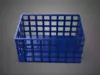
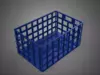
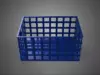
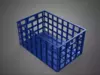
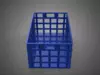
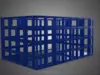
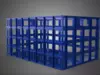
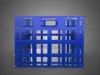
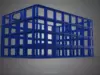
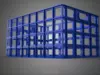
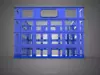
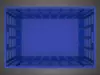
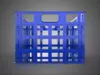
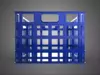
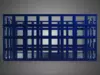
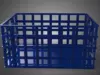
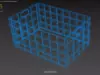
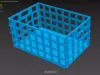
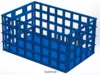
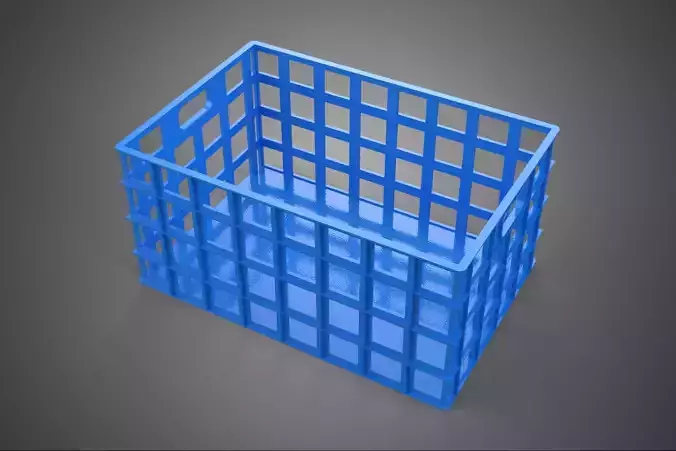
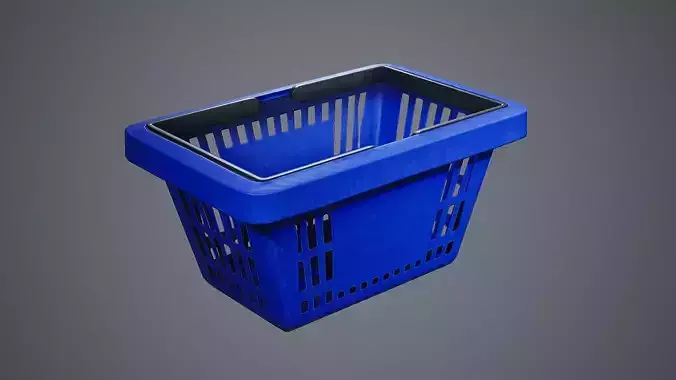
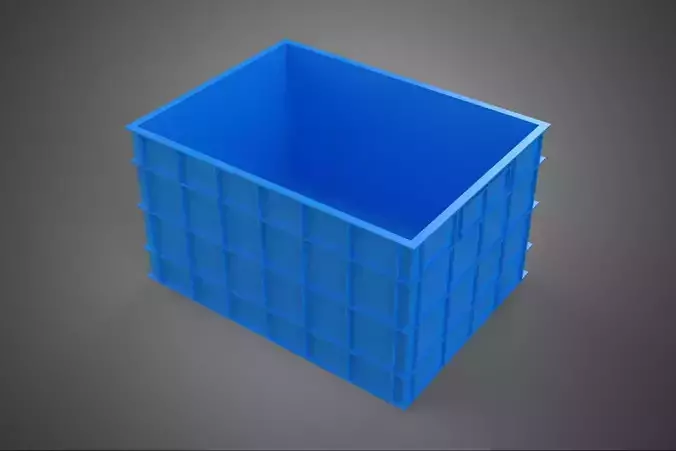
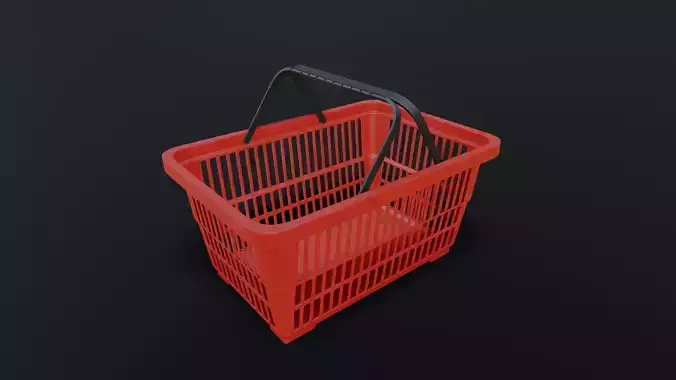
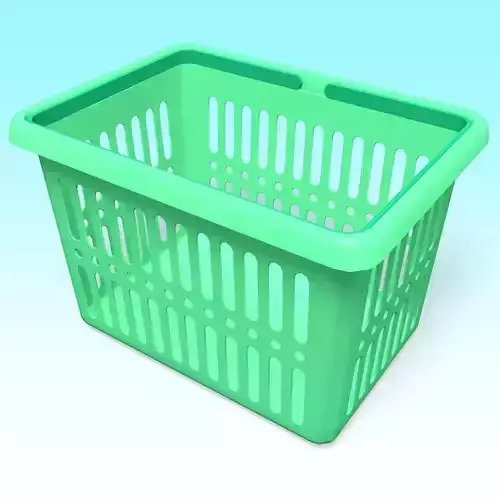
A blue plastic container, variously termed a basket, crate, or hamper, is a common utilitarian storage item designed primarily for the collection, temporary containment, and transport of soiled textiles (unlaundered garments, linens, and related washables). Characterized by its specific coloration and material construction, this container falls under the classification of lightweight, ventilated polymer utility apparatus.
Material and Construction
The construction material is typically a high-impact, non-porous polymer, most often High-Density Polyethylene (HDPE) or Polypropylene (PP). These materials are selected for their inherent resistance to moisture, chemical detergents, minor abrasions, and impact loading, ensuring longevity in high-humidity environments such as laundries or washrooms. The blue hue, often ranging from cobalt to cerulean or sapphire, is achieved through pigment integration during the molding process. This color choice is highly standardized in consumer and institutional environments, often signifying a clean or neutral storage purpose, though specific color coding (e.g., for infectious waste) is more prevalent in medical settings.
The containers are manufactured using injection molding, resulting in a seamless, rigid structure. A defining feature of these textile storage units is their ventilation system, which comprises numerous perforations, slots, or lattice-work patterns distributed across the walls and sometimes the base. This design serves three critical functions:
- Airflow and Moisture Control: It facilitates continuous air circulation, mitigating the buildup of humidity, reducing the risk of microbial growth, and minimizing malodors associated with damp, soiled clothing.
- Weight Reduction: The removal of material through perforation lightens the overall tare weight of the container, enhancing ergonomic handling.
- Visual Inventory: The openings allow for a quick, if incomplete, visual assessment of the contents.
### Typology and Nomenclature
The naming conventions reflect the object’s hybrid design, which borrows elements from several standard container types:
- Basket: Implies a lightweight, handheld carrier, often featuring integrated side handles or comfort grips for portability.
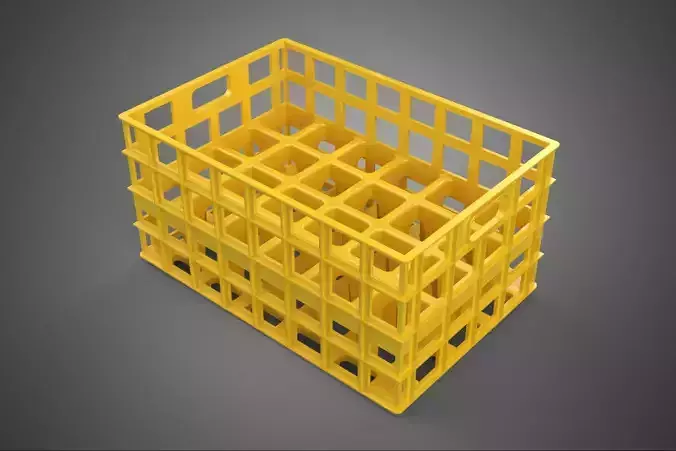
- Crate/Box: Suggests a rigid, geometrically defined form, typically rectangular or square, optimized for efficient stacking or nesting when empty. Tapered sidewalls facilitate nesting, while reinforcement ribs often allow for cross-stacking when full.
- Tray: Sometimes used when the unit has a low profile or is designed to slide beneath shelving or machinery, prioritizing horizontal surface area over vertical volume.
The typical capacity ranges from 40 to 90 liters (approximately 1.0 to 2.3 bushels), aligning with standard domestic washing machine load capacities or institutional laundry requirements.
### Function and Application
The primary function is the localized interim storage of unlaundered materials prior to processing. In residential settings, the blue plastic container acts as a centralized collection point. In commercial or institutional contexts (e.g., dormitories, hotels, commercial laundries), the containers serve as essential components of material handling logistics, often integrated into sorting systems or utilized for bulk transport between collection points and cleaning facilities. Their durable, easily sanitized surface makes them preferable to porous materials like wicker or natural fiber containers.
KEYWORDS: Polypropylene, HDPE, utility container, laundry management, textile collection, ventilated basket, domestic storage, material handling, cobalt blue, plastic crate, sanitation, moisture resistance, perforated design, rectangular bin, household logistics, transport vessel, consumer durable, laundry hamper, stackable, nesting, organizational tool, soiled linens, containment system, polymer engineering, utility storage, washroom accessory, material science, polyethylene, commodity item, housekeeping, storage box.