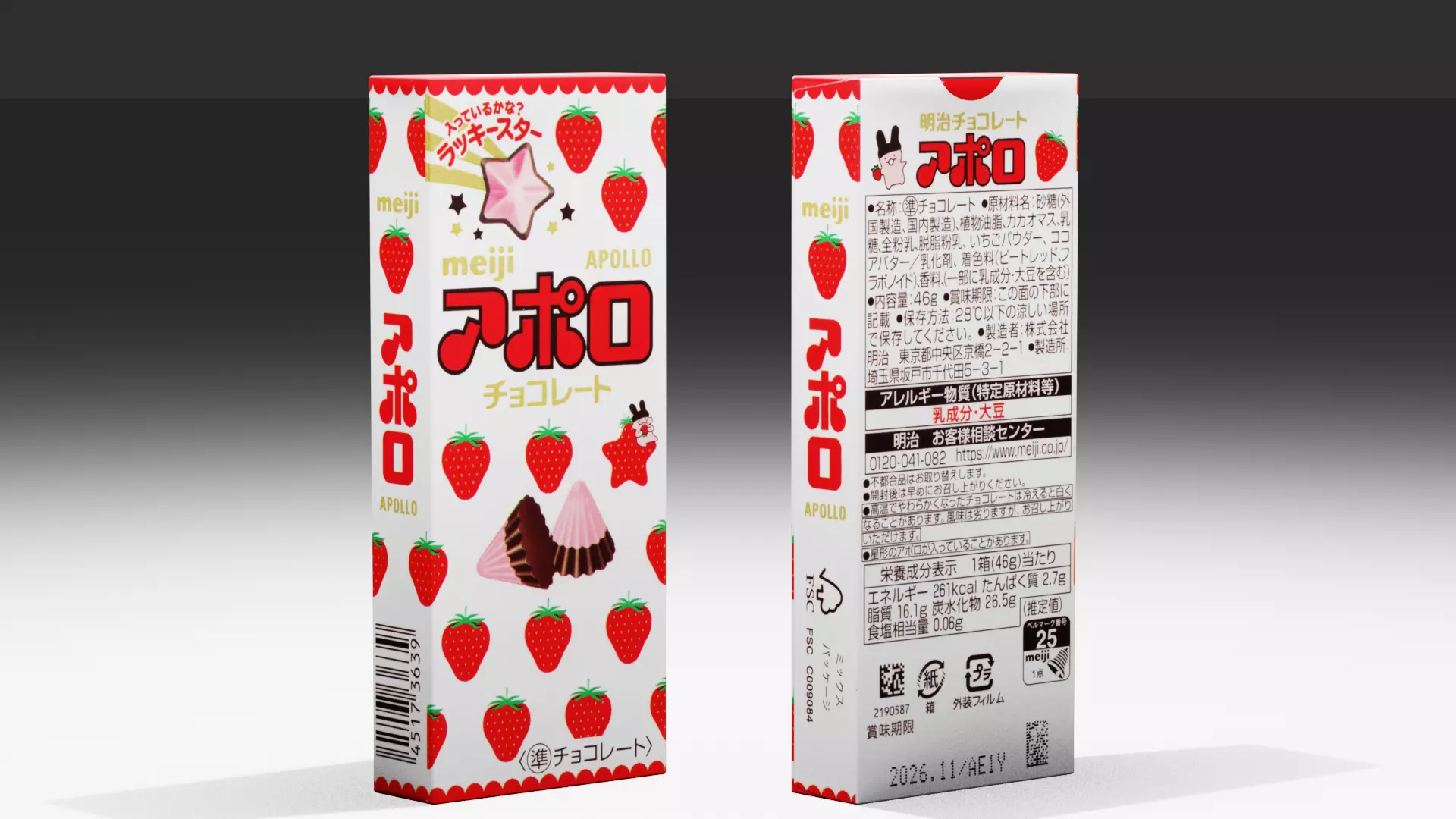
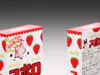
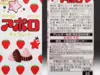
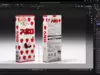
Apollo Chocolate is one of Japan’s most recognizable and beloved sweets, produced by the well-known confectionery company Meiji Co., Ltd.. It is a small, cone-shaped chocolate candy that has been enjoyed by generations of people in Japan since its release in 1969.
The candy consists of two distinct layers. The top portion is made of pink strawberry-flavored chocolate, which has a gentle fruity sweetness and a pleasant aroma. The bottom portion is made of smooth milk chocolate, offering a rich and creamy taste. When eaten together in one bite, the combination creates a balanced flavor—sweet and slightly fruity on top, mellow and chocolatey underneath. The texture is firm yet melts easily in the mouth, making it satisfying but not heavy.
The name “Apollo” was inspired by the American space program, particularly the historic moon landing mission Apollo 11. At the time of its release, space exploration was exciting news around the world, and the chocolate’s pointed shape was designed to resemble the Apollo command module that returned to Earth. This connection to space gave the candy a modern and imaginative image, especially appealing to children.
Apollo chocolates are typically sold in small boxes or bags. Each piece is bite-sized, making them easy to share with friends or family. The colorful pink and brown appearance also makes them visually appealing. In Japan, they are commonly included in children’s snack boxes, taken on picnics, or enjoyed as an everyday treat. Because the pieces are small, people often find themselves eating several at once.
Over the decades, Apollo has become a nostalgic snack for many Japanese adults. People who grew up eating it as children often continue to buy it later in life, sometimes sharing it with their own children. In this way, it has become more than just a candy—it is a small cultural icon associated with childhood memories.
Seasonal or limited-edition variations are sometimes released, featuring different chocolate flavors or packaging designs. However, the original strawberry-and-milk-chocolate combination remains the most popular and iconic version.
Today, Apollo chocolate can be found in supermarkets, convenience stores, and candy shops throughout Japan. Although it is primarily known domestically, visitors to Japan often purchase it as a souvenir because of its cute appearance, long history, and unique flavor combination.