High-quality 3D assets at affordable prices — trusted by designers, engineers, and creators worldwide. Made with care to be versatile, accessible, and ready for your pipeline.
Included File Formats
This model is provided in 14 widely supported formats, ensuring maximum compatibility:
• - FBX (.fbx) – Standard format for most 3D software and pipelines
• - OBJ + MTL (.obj, .mtl) – Wavefront format, widely used and compatible
• - STL (.stl) – Exported mesh geometry; may be suitable for 3D printing with adjustments
• - STEP (.step, .stp) – CAD format using NURBS surfaces
• - IGES (.iges, .igs) – Common format for CAD/CAM and engineering workflows (NURBS)
• - SAT (.sat) – ACIS solid model format (NURBS)
• - DAE (.dae) – Collada format for 3D applications and animations
• - glTF (.glb) – Modern, lightweight format for web, AR, and real-time engines
• - 3DS (.3ds) – Legacy format with broad software support
• - 3ds Max (.max) – Provided for 3ds Max users
• - Blender (.blend) – Provided for Blender users
• - SketchUp (.skp) – Compatible with all SketchUp versions
• - AutoCAD (.dwg) – Suitable for technical and architectural workflows
• - Rhino (.3dm) – Provided for Rhino users
Model Info
• - All files are checked and tested for integrity and correct content
• - Geometry uses real-world scale; model resolution varies depending on the product (high or low poly)
• • - Scene setup and mesh structure may vary depending on model complexity
• - Rendered using Luxion KeyShot
• - Affordable price with professional detailing
Buy with confidence. Quality and compatibility guaranteed.
If you have any questions about the file formats, feel free to send us a message — we're happy to assist you!
Sincerely,
SURF3D
Trusted source for professional and affordable 3D models.
More Information About 3D Model :
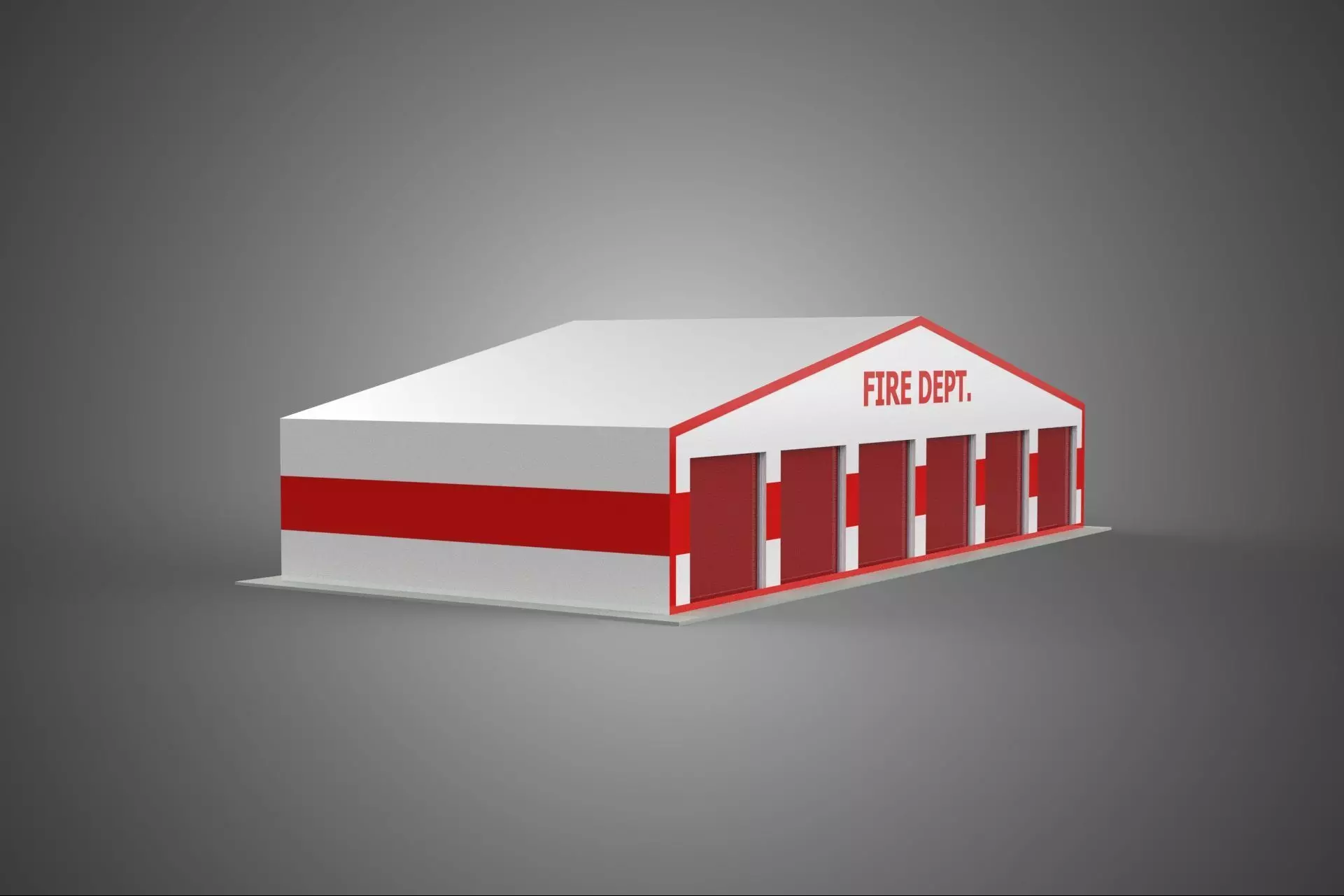
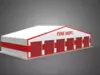
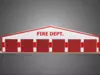
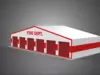
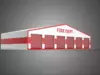
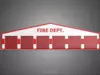
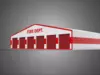
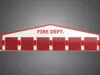
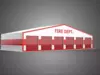
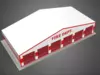
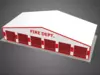
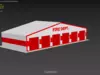
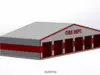
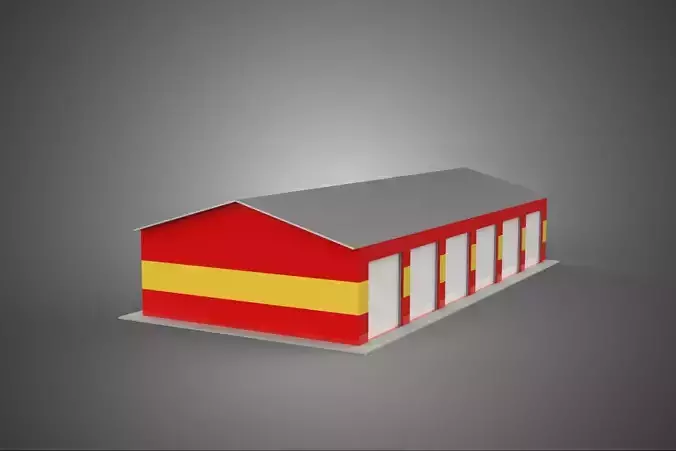
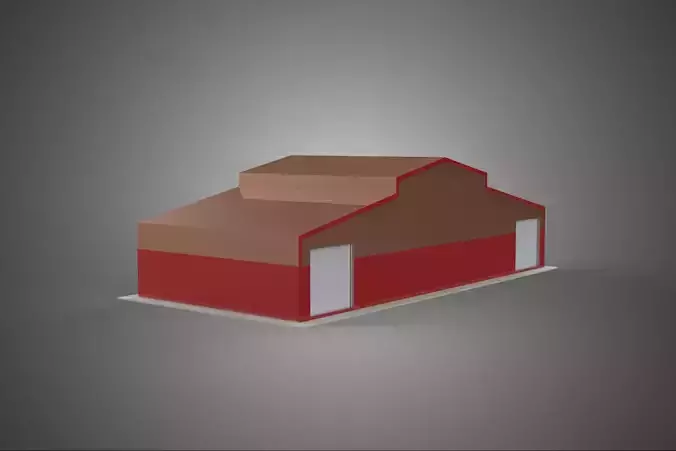
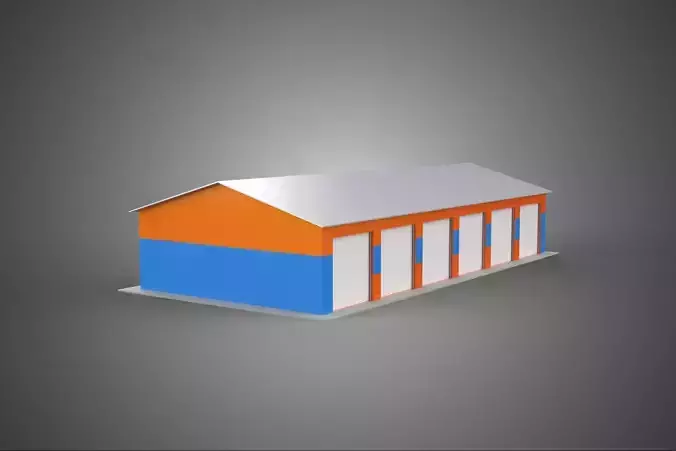
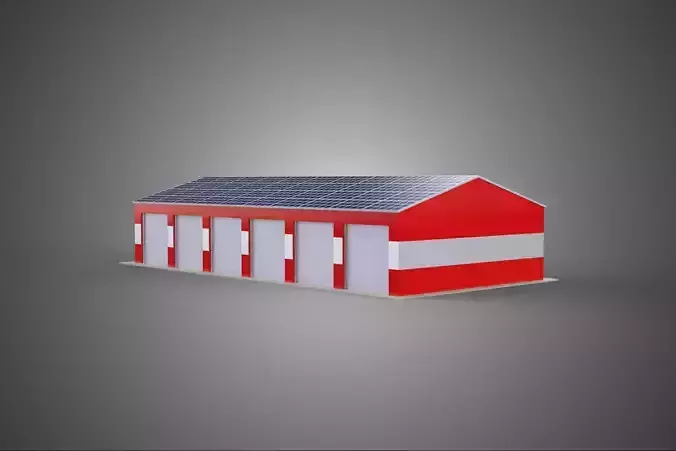
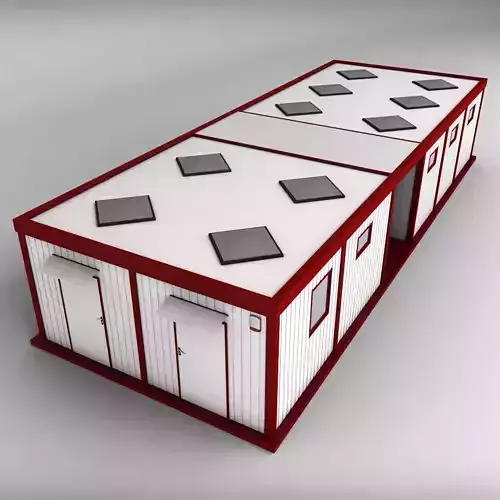
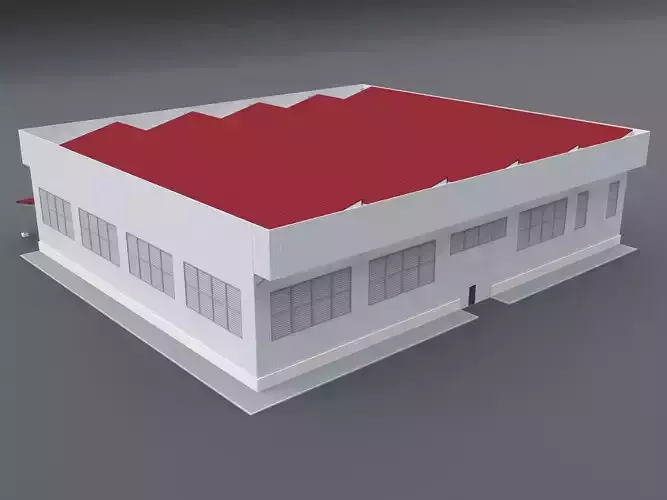
The complex term FIREFIGHTER TRUCK FIRE ENGINE GARAGE STATION HOUSE OFFICE GATE does not denote a single, unified object, but rather a functional and architectural nexus centered on emergency response infrastructure and logistics. It encompasses the personnel, apparatus, facilities, administration, and ingress/egress points necessary for municipal or organizational fire suppression, rescue operations, and emergency medical services (EMS).
1. The Firefighting Apparatus (Truck and Engine)
The core operational elements are the specialized vehicles, often differentiated in nomenclature based on function:
- Fire Engine (Pumper): This primary response vehicle is equipped with a high-capacity pump, significant lengths of hose, and often a water tank. Its main function is to deliver water from a source (hydrant or tank) to the fire scene and supply hose lines. Engines carry essential tools for forcible entry, ventilation, and patient care.
- Fire Truck (Ladder Truck/Aerial Apparatus): Typically refers to vehicles equipped with an aerial ladder, platform, or hydraulic boom. These trucks are vital for elevated access, rescue from upper floors, ventilation of structures, and carrying specialized equipment such as heavy-duty rescue tools, power generation, and specialized ground ladders.
- Other Apparatus: Depending on the jurisdiction, the garage may also house specialized units, including hazardous materials (HAZMAT) units, technical rescue squads, water tenders, or brush/wildland vehicles.
### 2. The Fire Station Architecture (Garage, House, Station)
The facilities housing the apparatus and personnel are collectively referred to as the Fire Station or Firehouse.
- Station/House: This term refers to the entire physical structure. Modern fire stations are multifunctional facilities designed for 24-hour operation. They typically integrate living quarters, administrative spaces, and operational areas.
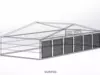
- Garage (Apparatus Bay): This is the large, purpose-built space designed to shelter, maintain, and rapidly deploy the firefighting vehicles. Apparatus bays feature high ceilings, reinforced floors, specialized ventilation systems (to manage diesel exhaust), and direct access to major thoroughfares. The design prioritizes efficiency for rapid turnout.
- Dormitory/Quarters: Includes sleeping areas, kitchen and dining facilities, fitness areas, and communal spaces necessary for the crew's daily routine during their shift cycles.
- Training Areas: May include classrooms, drill towers, or maintenance workshops.
### 3. The Administrative and Logistical Core (Office)
The Office component refers to the administrative and command structure inherent to the fire station. This space is used for:
- Incident Command: Facilitating local leadership, operational planning, and post-incident reporting.
- Records Management: Maintaining logs of maintenance, training, and emergency calls.
- Public Interaction: Serving as a community touchpoint for safety education and administrative inquiries.
- Crew Management: Scheduling, logistics coordination, and professional development of personnel (Firefighters).
### 4. Controlled Access and Security (Gate)
The Gate represents the controlled entry and egress point, typically associated with the security and logistical management of the property.
- Security Function: Gates often regulate public access to the facility, particularly around secured parking or storage areas.
- Operational Function: In some designs, large automatic doors leading from the apparatus bay to the street are sometimes colloquially referred to as gates. These are crucial for minimizing turnout time. Traffic control mechanisms (lights and signage) are frequently integrated into the gate area to ensure safe and unimpeded deployment onto public roads during an emergency.
In summary, the combined term describes the integrated physical infrastructure (Station, Garage, Office, Gate) and the primary tools (Truck, Engine) utilized by emergency personnel (Firefighters) to execute their mission of public safety and emergency response.
KEYWORDS: Fire Station, Firehouse, Apparatus Bay, Fire Engine, Fire Truck, Pumper, Ladder Truck, Aerial Apparatus, Firefighter, Emergency Response, Garage, Office, Gate, Dispatch, Logistics, Administration, Command Structure, Turnout Time, Public Safety, Rescue Operations, EMS, Hazardous Materials, Vehicle Maintenance, Training Facility, Security, Quarters, Infrastructure, Community Services, Traffic Control, Urban Planning.