High-quality 3D assets at affordable prices — trusted by designers, engineers, and creators worldwide. Made with care to be versatile, accessible, and ready for your pipeline.
Included File Formats
This model is provided in 14 widely supported formats, ensuring maximum compatibility:
• - FBX (.fbx) – Standard format for most 3D software and pipelines
• - OBJ + MTL (.obj, .mtl) – Wavefront format, widely used and compatible
• - STL (.stl) – Exported mesh geometry; may be suitable for 3D printing with adjustments
• - STEP (.step, .stp) – CAD format using NURBS surfaces
• - IGES (.iges, .igs) – Common format for CAD/CAM and engineering workflows (NURBS)
• - SAT (.sat) – ACIS solid model format (NURBS)
• - DAE (.dae) – Collada format for 3D applications and animations
• - glTF (.glb) – Modern, lightweight format for web, AR, and real-time engines
• - 3DS (.3ds) – Legacy format with broad software support
• - 3ds Max (.max) – Provided for 3ds Max users
• - Blender (.blend) – Provided for Blender users
• - SketchUp (.skp) – Compatible with all SketchUp versions
• - AutoCAD (.dwg) – Suitable for technical and architectural workflows
• - Rhino (.3dm) – Provided for Rhino users
Model Info
• - All files are checked and tested for integrity and correct content
• - Geometry uses real-world scale; model resolution varies depending on the product (high or low poly)
• • - Scene setup and mesh structure may vary depending on model complexity
• - Rendered using Luxion KeyShot
• - Affordable price with professional detailing
Buy with confidence. Quality and compatibility guaranteed.
If you have any questions about the file formats, feel free to send us a message — we're happy to assist you!
Sincerely,
SURF3D
Trusted source for professional and affordable 3D models.
More Information About 3D Model :
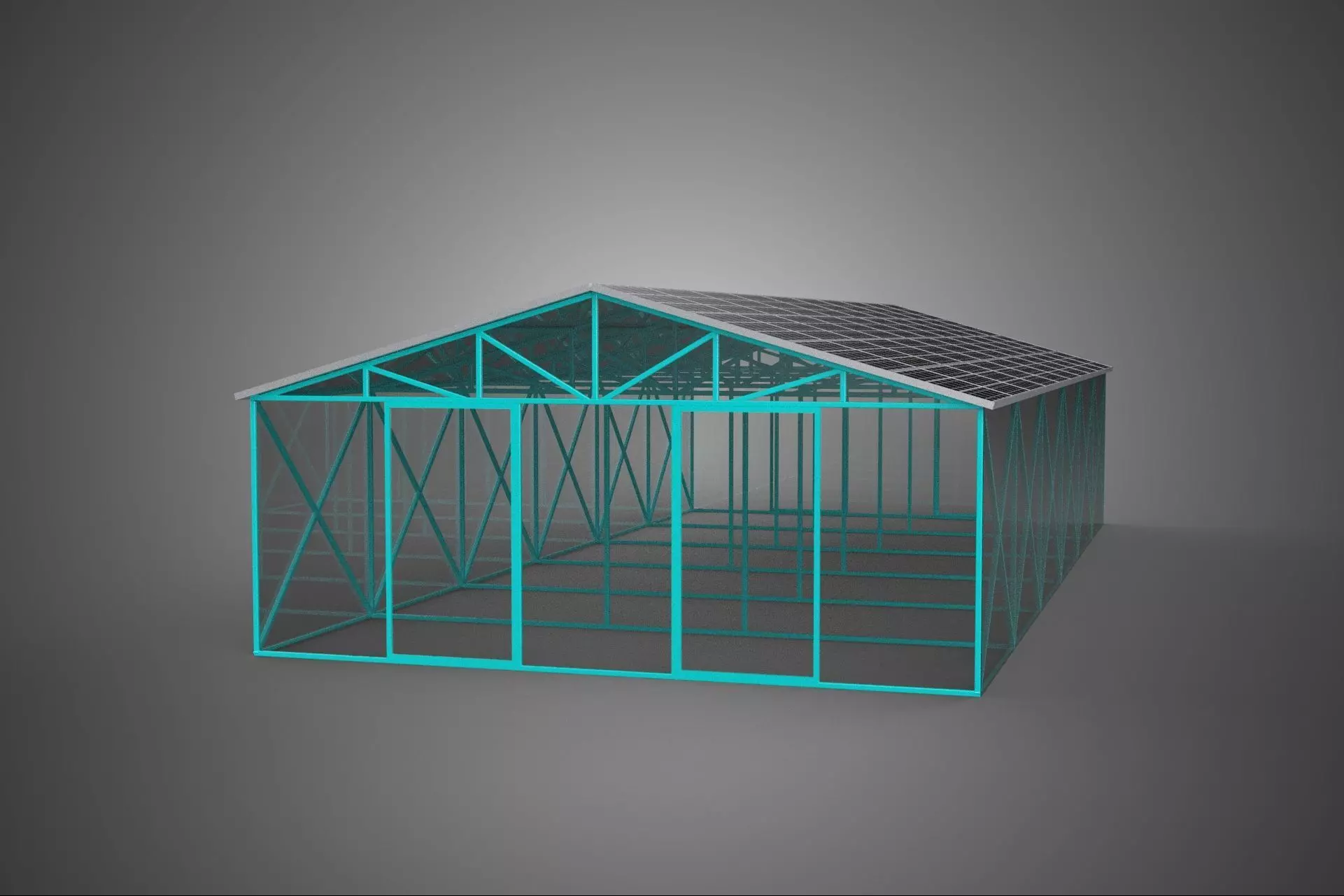
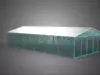
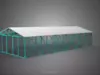
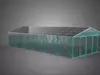
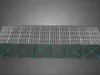
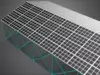
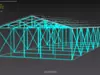
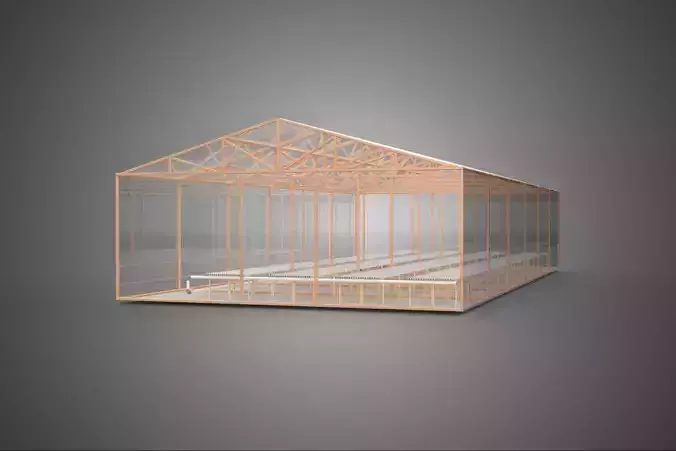
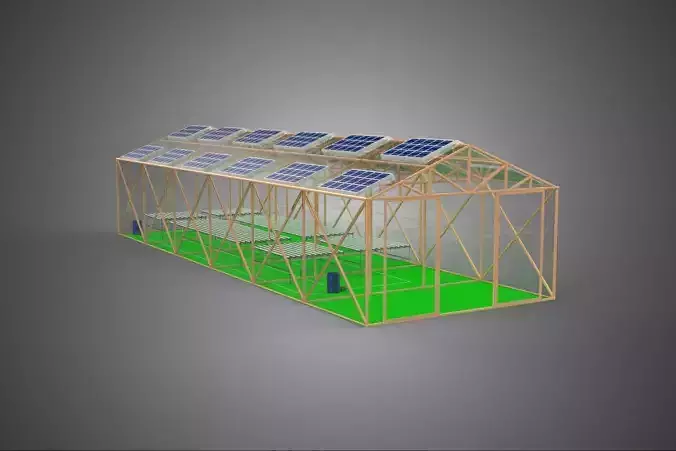
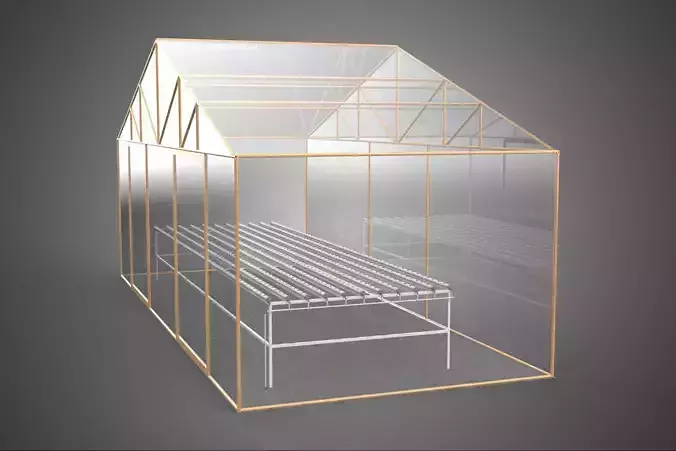
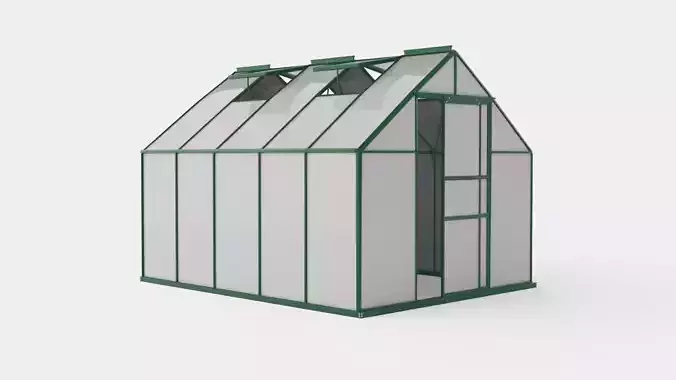
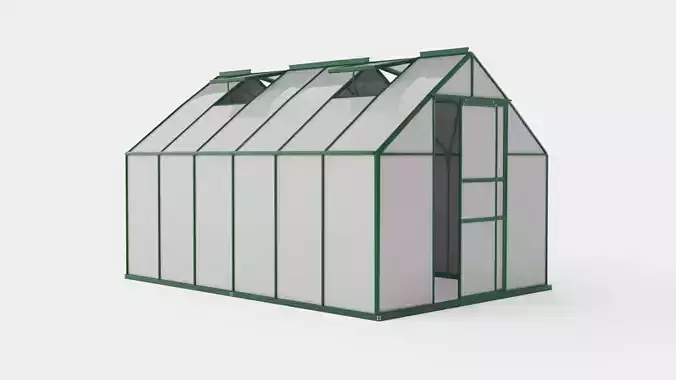
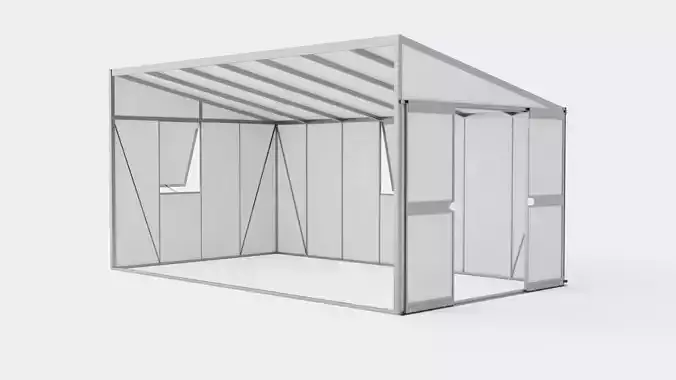
The Solar-Powered Greenhouse, interchangeably referred to in technical or historical contexts as a Hothouse or Glasshouse, represents a sophisticated advancement in controlled-environment agriculture (CEA) wherein the critical functions of climate regulation and operational energy are sustained primarily through photovoltaic (PV) solar energy conversion. This symbiotic integration aims to maximize crop productivity and resource efficiency while minimizing the environmental footprint typically associated with conventional agricultural and climate control systems.
1. Architectural and Functional Overview
A solar-powered greenhouse structure generally adheres to the established principles of traditional glasshouse architecture—utilizing transparent or translucent materials (such as glass, polycarbonate, or specialized polyethylene films) to capture solar radiation, facilitating the greenhouse effect essential for maintaining elevated temperatures suitable for horticulture. The distinction lies in the active systems integrated within the structure.
Primary Components:
- Photovoltaic (PV) Array: Solar panels are strategically mounted, often on the roof, adjacent ground, or integrated into the structural glazing (Building-Integrated Photovoltaics, BIPV), generating direct current (DC) electricity. Specialized semi-transparent PV cells (e.g., organic or dye-sensitized solar cells) are sometimes employed to allow sufficient light transmission for plant photosynthesis while harvesting energy.
- Climate Control Systems: The captured solar energy powers essential equipment, including:
- Ventilation and Cooling: Automated fans, louvers, and evaporative cooling pads (swamp coolers) used to manage excessive internal heat, particularly during peak solar gain.
- Heating Systems: While the passive greenhouse effect provides baseline heating, supplementary electric heaters or heat pumps, powered by solar energy, are often used during night cycles or winter months. Thermal energy storage (TES) systems, such as water tanks or phase-change materials (PCMs), may store excess daytime heat for later use.
- Irrigation and Fertigation: Pumps and automated delivery systems (drip irrigation, hydroponic nutrient pumps) are energized by the PV system, ensuring precise water and nutrient delivery.
- Monitoring and Automation: Sophisticated sensors (measuring temperature, humidity, CO₂, light intensity, and soil moisture) linked to a central controller govern the active systems. This automation maximizes efficiency and responsiveness to dynamic climatic conditions.
### 2. Energy Management and Efficiency
The core objective is energy autonomy. The solar power system is typically sized to meet the average and peak operational demands, often incorporating battery banks for energy storage to ensure continuous operation, especially for critical systems like ventilation and data monitoring, even when direct sunlight is unavailable.
Key Energy Applications:
- Auxiliary Lighting: High-efficiency LED grow lights, essential for supplemental or sole-source lighting in high-density or vertical farming configurations within the glasshouse, draw power from the PV system.
- Water Circulation: Powering recirculation pumps for hydroponic, aeroponic, or aquaponic systems, significantly reducing external energy requirements compared to relying on grid electricity.
- Decoupling from Fossil Fuels: By replacing conventional grid electricity—which often relies on fossil fuels—with renewable solar energy, the system dramatically lowers operational carbon dioxide emissions, positioning it as a cornerstone of sustainable agriculture.
### 3. Horticultural Advantages and Applications
The solar-powered greenhouse extends the growing season, protects crops from adverse weather, and enables the cultivation of non-native species in controlled environments, all while utilizing sustainable power.
- Precision Agriculture: The coupling of automated monitoring and solar-powered systems facilitates precision agriculture practices, allowing for fine-tuned environmental control optimized for specific crop varieties (e.g., tomatoes, leafy greens, cannabis, or specialized floriculture).
- Remote and Off-Grid Deployment: Due to its inherent self-sufficiency, this technology is particularly valuable in remote areas, developing nations, or regions lacking reliable grid infrastructure, enabling localized food production.
- Integration with Smart Grids: Systems often incorporate inverters capable of feeding excess electricity back into the grid (net metering), transforming the agricultural structure into a distributed energy resource (DER).
### 4. Environmental and Economic Considerations
While the initial capital expenditure for PV systems and advanced automation is higher than traditional greenhouses, the long-term operational savings derived from reduced or eliminated electricity costs provide a strong economic justification. Environmentally, the technology supports water conservation through controlled irrigation and significantly reduces the greenhouse gas emissions associated with conventional heating and cooling processes.
KEYWORDS: Controlled-Environment Agriculture, Photovoltaics, Greenhouse Effect, Sustainable Agriculture, Climate Control, Energy Autonomy, Horticultural Technology, Glasshouse, Hothouse, Precision Agriculture, Solar Energy, Thermal Energy Storage, Net Metering, Automation, Crop Production, Off-Grid Farming, Renewable Energy, LED Grow Lights, Evaporative Cooling, Building-Integrated Photovoltaics, Hydroponics, Energy Efficiency, Carbon Reduction, Water Conservation, Ventilation Systems, Sensors, Battery Storage, Distributed Energy Resource, Plant Cultivation, Self-Sustaining System.