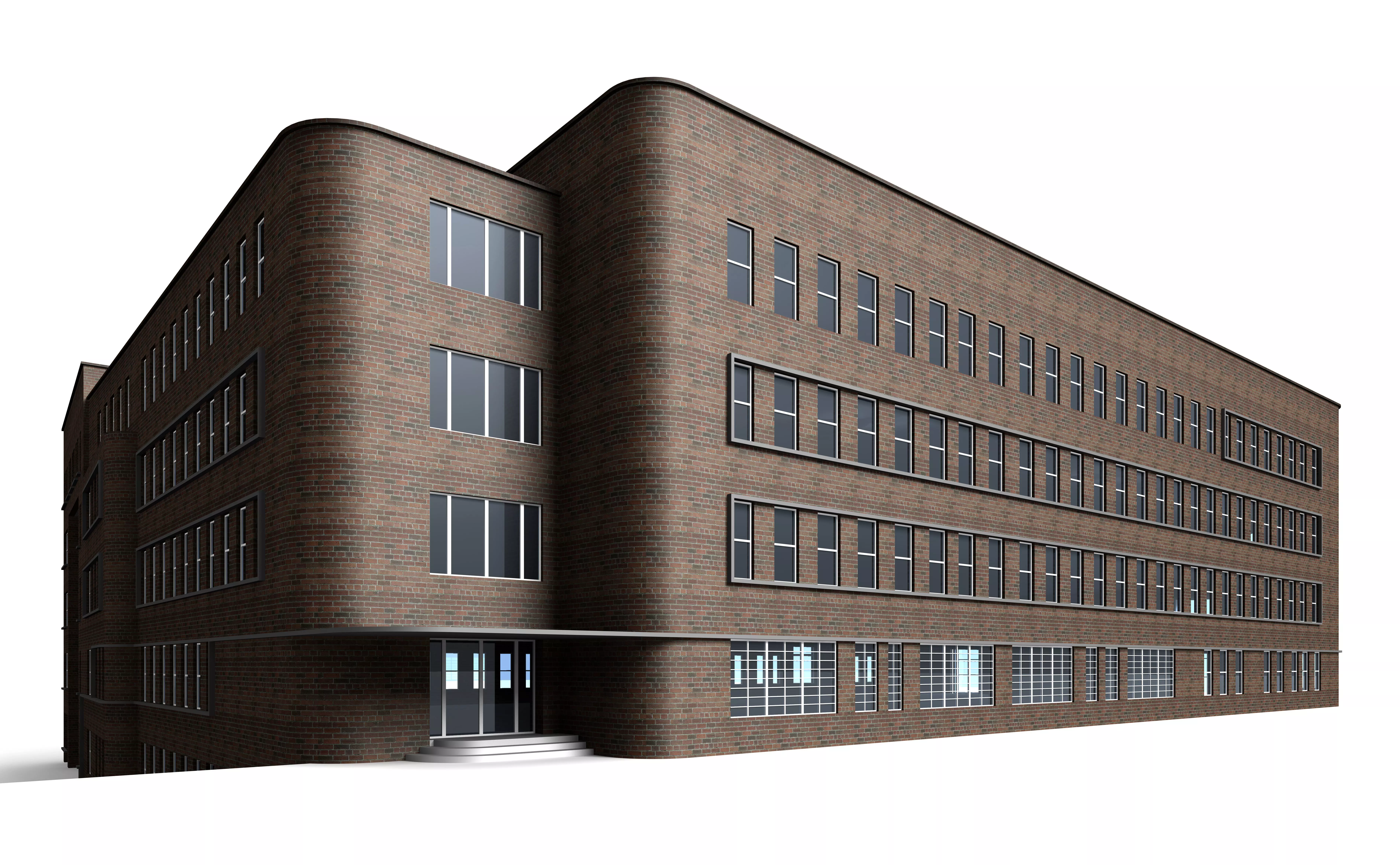
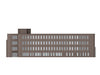
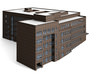
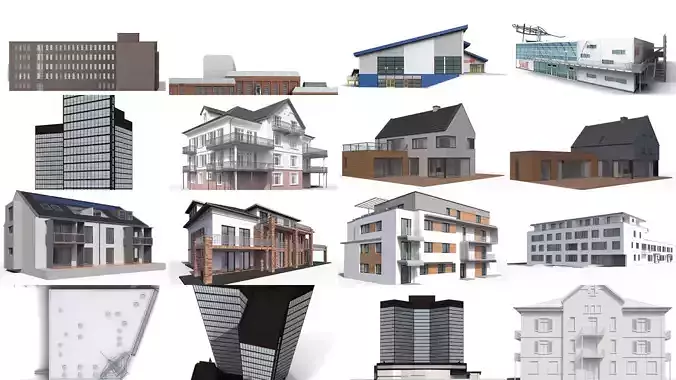
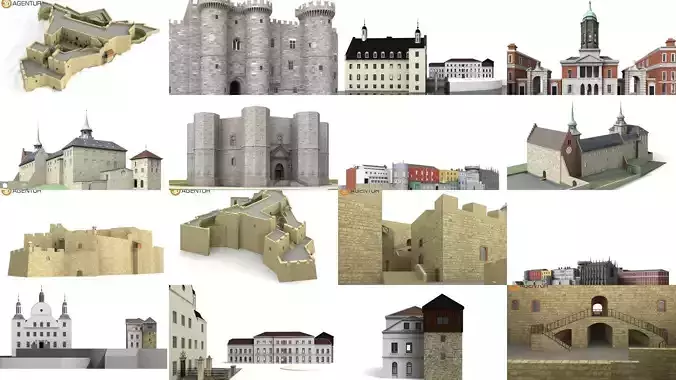
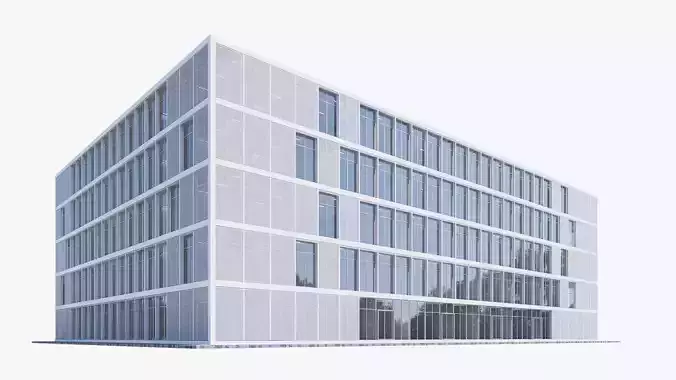
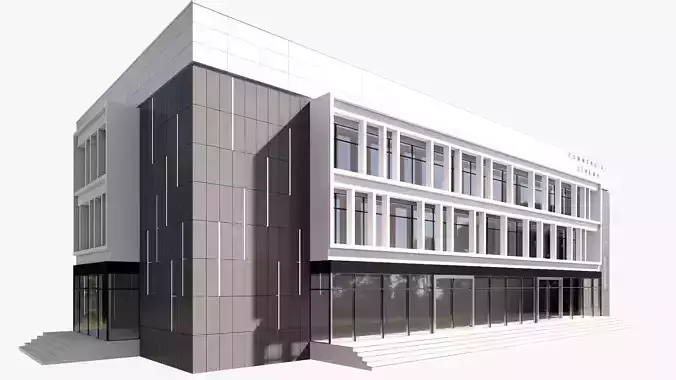
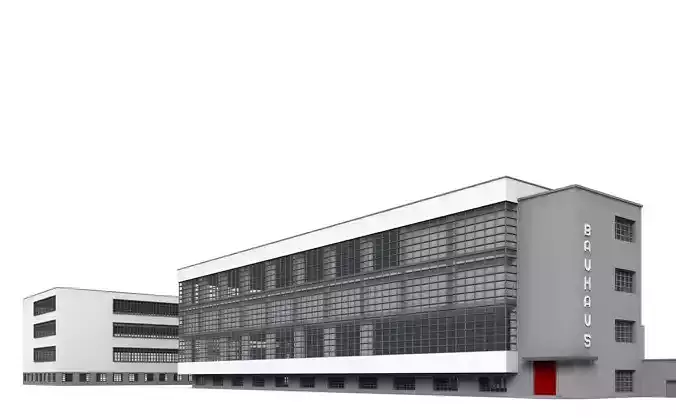
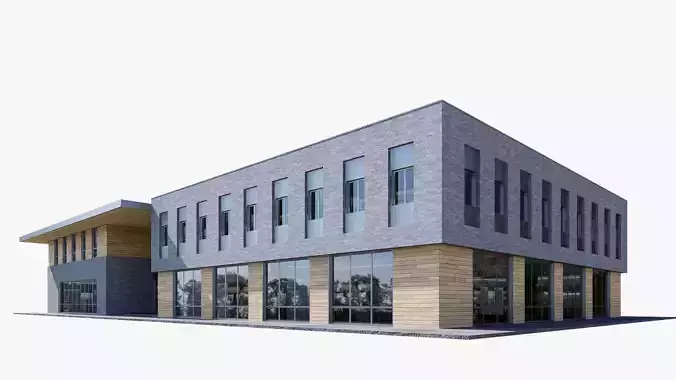
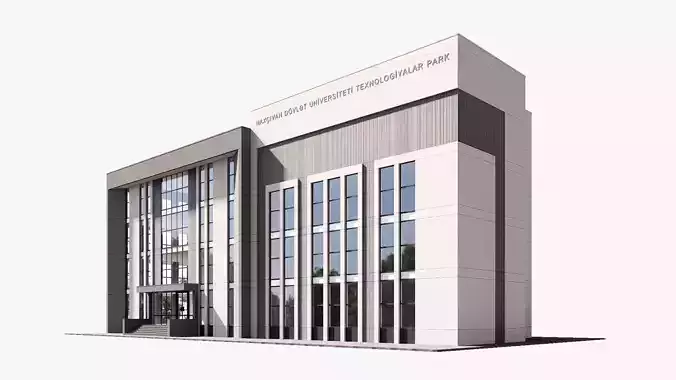
With your purchase you receive the 3D building model as DAE, 3DS, C4D and SKP for immediate download. (see details)
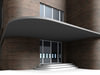
The Regionalverband Ruhr is a legal special-purpose organisation with its headquarters in Essen. The RVR was founded in 1920 as a residential association for the Ruhrkohlen district. Even then it was an amalgamation of boroughs and districts in the Ruhr. Today its purpose is to focus the interests of the administratively independent towns and districts which comprise its membership. The RVR also aims to coordinate projects and functions.
A piece of vitrified brickClinker bricks are partially-vitrified bricks used in the construction of buildings.
Clinker bricks are produced when wet clay bricks are exposed to excessive heat during the firing process, sintering the surface of the brick and forming a shiny, dark-colored coating. Clinker bricks have a blackened appearance, and they are often misshapen or split. Clinkers are so named for the metallic sound they make when struck together.[4]
Clinker bricks are denser, heavier, and more irregular than standard bricks. Clinkers are water-resistant and durable, but have higher thermal conductivity than more porous red bricks, lending less insulation to climate-controlled structures.
The brick-firing kilns of the early 20th century—called brick clamps or beehive kilns—did not heat evenly, and the bricks that were too close to the fire emerged harder, darker, and with more vibrant colors, according to the minerals present in the clay. Initially, these clinkers were discarded as defective, but around 1900, the bricks were salvaged by architects who found them to be usable, distinctive, and charming. Clinker bricks were widely admired by adherents of the Arts and Crafts movement.
In the United States, clinker bricks were popularized by the Pasadena, California architecture firm Greene and Greene, who used them for walls, foundations, and chimneys.[6] On the East Coast, clinkers were used extensively in the Colonial Revival style of architecture.
Modern brick-making techniques do not produce clinker bricks, and they have become rare.[1] Builders can procure clinkers from salvage companies; alternatively, some brickmakers purposefully manufacture clinker bricks or produce imitations.