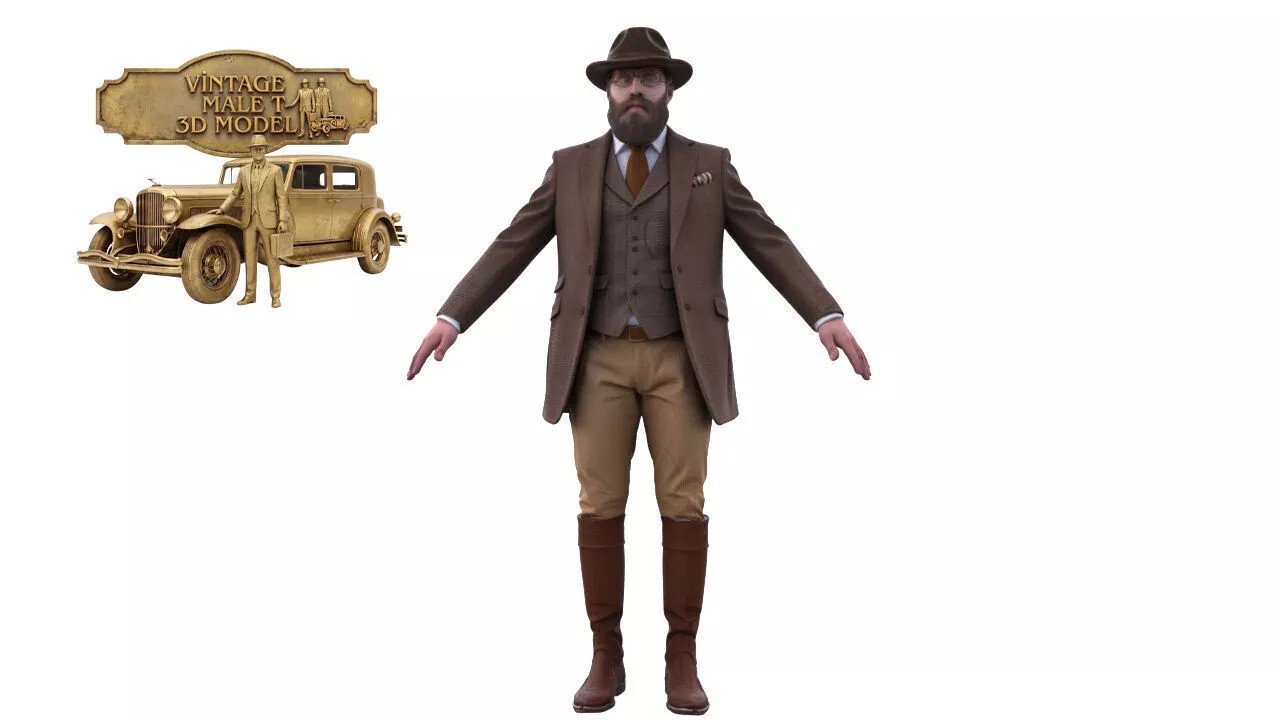
Vintage clothing is clothing that originates from a previous era. The term vintage clothing can also be applied in reference to second-hand retail outlets, e.g. in "vintage
clothing store". While the concept originated during World War I as a response to textile shortages,[1] vintage dressing encompasses choosing accessories, mixing vintage garments with new, as well as creating an ensemble of various styles and periods. Vintage clothes typically sell at low prices for high-end name brands.
Vintage clothing can be found in cities at local boutiques or local charities, or on the internet through digital second-hand shopping websites. Vintage fashion has seen a reemergence in popularity within the 21st century due to increased prevalence of vintage pieces in the media and among celebrities, as well as consumer interests in sustainability and slow fashion.[2]
1950s bridal vintage slipDefinitionsVintage is a colloquialism commonly used to refer to all old styles of clothing. A generally accepted industry standard is that items made between 30 and 100 years ago are considered vintage if they clearly reflect the styles and trends of the era they represent. These clothing items come with a sense of history attached to them, which is one of the reasons they are valued by vintage enthusiasts.[3] This sense of history allows consumers to express sentimental nostalgia for fashions of past eras and for aspects not common with modern items like craftsmanship.[4][5] Vintage items are considered different than antique, which is used to refer to items 100 years old or more. Retro, short for retrospective, or vintage style, usually refers to clothing that imitates the style of a previous era. Reproduction, or repro, clothing is a newly made copy of an older garment.
Clothing produced more recently is usually called modern or contemporary fashion.
DeadstockDeadstock refers to merchandise that was withdrawn from sale and warehoused without having been sold to a customer. This is due to the item no longer being in fashion or otherwise outdated or superseded. Such merchandise might once again be in demand and at such point can be returned to sale. Return to sale of fashion merchandise would make it vintage clothing. However, repurposing of deadstock in new products is one way to improve sustainability in the fashion industry.
SizingIn the United States, due to changes in clothing sizes, vintage sizes are often smaller than the corresponding contemporary size. For example, a garment from the 1970s labeled as Medium (M) might be similar in size to a 2010s Extra Small (XS). Vintage sewing patterns offer an option for those who want a historically accurate garment but cannot find one in their size.
Retail marketiconThis section needs additional citations for verification. Please help improve this article by adding citations to reliable sources in this section. Unsourced material may be challenged and removed. (December 2017) (Learn how and when to remove this message)
Vintage Edwardian-inspired fashionPopular places to buy vintage clothing include charity-run second-hand clothing shops, thrift stores, consignment shops, garage sales, car boot sales, flea markets, antique markets, estate sales, auctions, vintage clothing shops and vintage fashion, textile or collectables fairs. Specialist vintage clothing shops, such as Virginia by Virginia Bates in London, often attracted high-end customers.
With the rise of the digital world and social media, the consumption of Vintage clothing has rapidly expanded, with e-commerce websites leading to growth in consumer accessibility of vintage pieces.[6] The internet has drastically increased the availability of specific and hard-to-get items and opened up prospective markets for sellers around the world. In the last 20 years, social media in particular has become the most popular medium for consumers to obtain information about, and interact with vintage fashion.[6]
Popular places to acquire garments include online auctions, multi-vendor sites, online vintage clothing shops, specialist forums, and social media sites, where consumers can like, share, and purchase vintage goods from their smartphones.[6] Many vintage clothing shops with physical locations also sell their goods online. In a world filled with fast fashion and new being the most popular choice, vintage style has found a way to stay popular. This has a lot to do with celebrities and influencers following this trend, making it a desirable choice for the general public as well. Famous brands, such as Gucci, have made choices like cutting down the number of yearly fashion shows, in order to move the fashion industry toward greater sustainability. The seasonal fashion cycle that the industry has followed for years is being broken down to favor a more environmentally conscious approach to fashion.[7]
Typically in the United States, vintage clothing shops can be found clustered in college towns and artsy neighborhoods of cities. In contrast to thrift stores that sell both vintage and contemporary used clothing, vintage clothing shops are usually for-profit enterprises, with the market mixed between small chains and independent stores. These stores typically range from 200 to 5,000 square feet in size, and will usually have a fitting room. Vintage clothing stores may obtain clothing from individuals in exchange for cash or store credit.
History