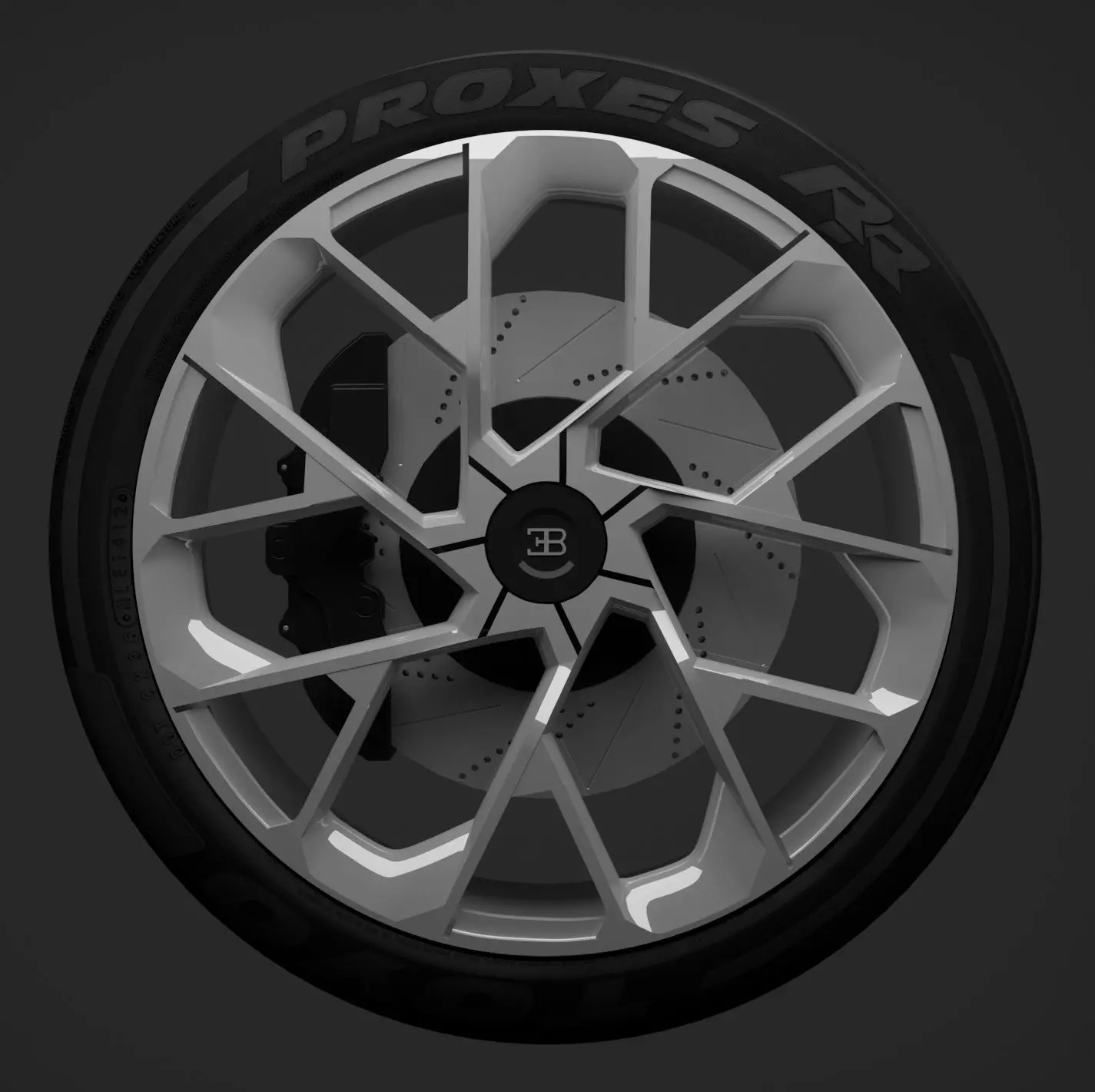
DESCRIPTION

These features were paired with low weight and thus lower unsprung masses compared with steel wheels. The lower the unsprung masses, the lower the moment of inertia and the better the handling. Consequently, the Type 35 was easier and more precise to steer, it braked better and the suspension was more comfortable than comparable racing cars of the time. During these early races, which often lasted several hours or even days, drivers were thus able to drive for longer, reach higher speeds and be more concentrated at the wheel. A reason why Bugatti drivers dominated the world’s race tracks between 1925 and 1930. Even today, the Type 35 does not ask too much of its drivers.

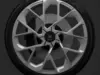
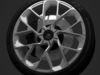
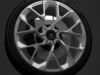
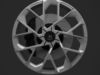
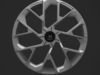
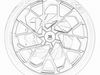
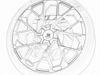
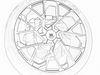
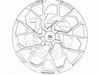
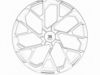
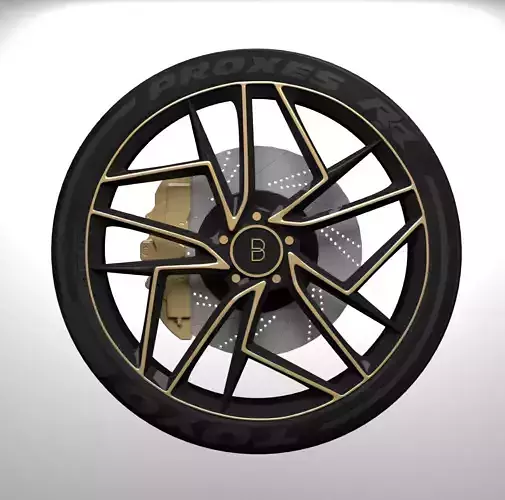
Bugatti produced seven different types of aluminium wheels over the next few years. For the Type 35, Type 39 and Type 51 racing cars, the French company produced three different versions: a 20-inch variant featuring small brakes, a 19-inch design with large brakes and 19-inch drop centre rims featuring large brakes. The cast wheels with eight wide aluminium spokes became Bugatti’s signature feature in addition to the horseshoe-shaped radiator grille. The design was also used for Bugatti’s first hyper sports car of modern times, the Veyron as the Veyron Fbg par Hermès special model.

Waheguru
REVIEWS & COMMENTS

See what other buyers think about this model - real feedback on quality,
accuracy, and usability.
There are no reviews or comments yet. Please be the first one to write it.
BEST PRICE GUARANTEED
Found this model cheaper on another marketplace? Let our support team know - we’ll match it.

Bugatti Wheel 3D model

Royalty Free License
Hire
Like this model to show appreciation to the designer.
See how many times this model was viewed.
Share this model to support the designer and boost their visibility.
File formats
OBJ
OBJ | 2 files<br />File Size: 11.9 MB
3DS
3D Studio<br />File Size: 2.92 MB
FBX
Autodesk FBX<br />File Size: 2.61 MB
DWG
AutoCAD<br />File Size: 3.81 MB
MAX
Autodesk 3ds Max<br />File Size: 18.8 MB
Provided by designer
Information and details shared directly by the model's designer.
3D Features
The model includes animations (movement or actions) that can be played in supported software or engines.
The model has a skeleton or bone structure, making it ready for posing or animation.
PBR
Uses Physically Based Rendering materials, which give the model realistic lighting and surface properties.
Textures
The model includes image files (textures) that add color, patterns, or detail to its surfaces.
Materials
The model has material settings that define how surfaces look (color, shine, transparency, etc.).
UV Mapping
The model's surfaces are mapped to a 2D image, allowing textures to display correctly.
Plugins Used
Some external plugins were used to create the model. These may be required for full functionality.
3D printing
Indicates whether the designer marked this model as suitable for 3D printing.
Model is not 3D printable
The designer indicates this model is intended for digital use only (rendering, animation, or AR/VR) and not for 3D printing.
Unwrapped UVs
Publish date
Model ID
Chat