E-mail for callaboration: koznov.sergey@gmail.com
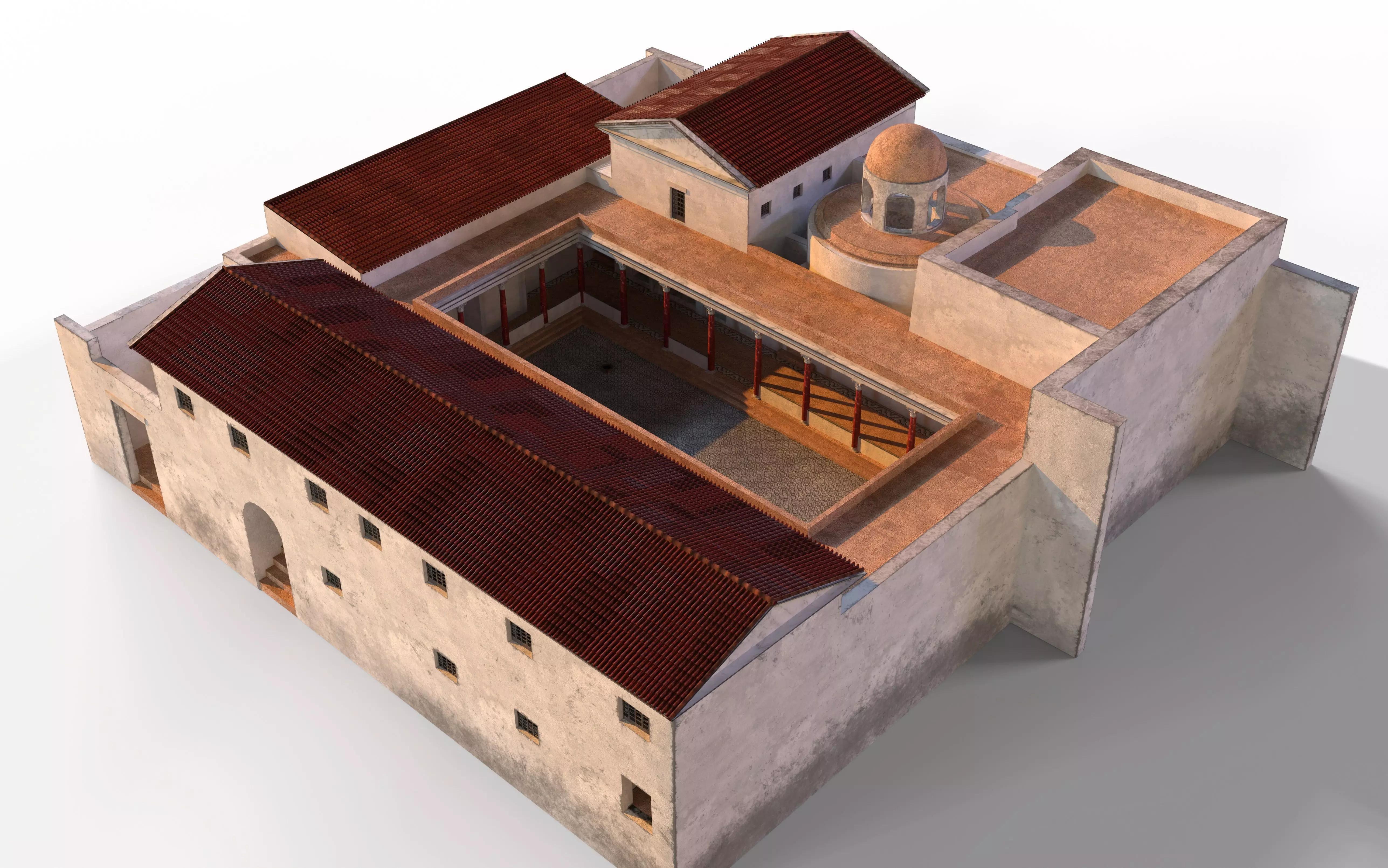
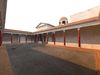
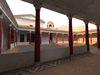
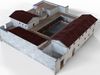
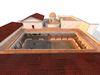
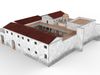
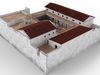
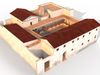
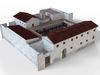
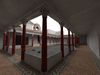
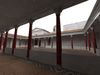
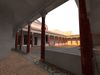
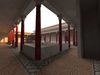
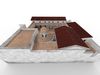
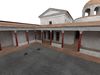
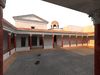
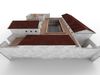
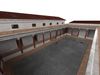
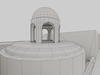
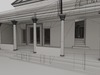
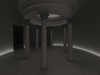
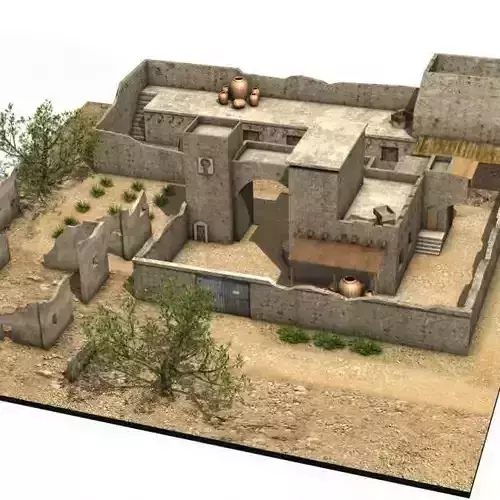
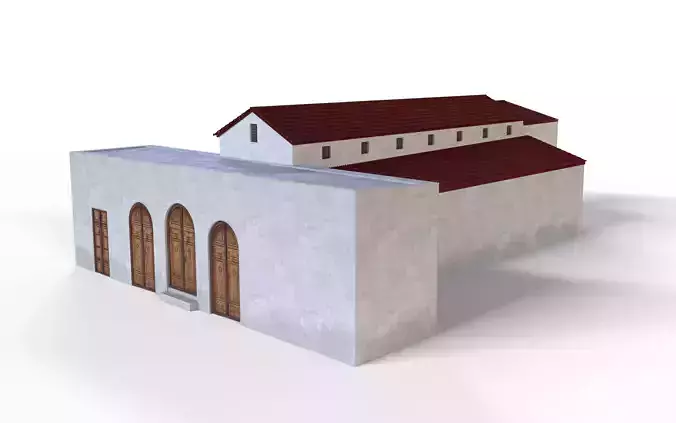
_Maison de la Rotonde is a famous example of ancient Roman architecture located in the ancient city of Pompeii. It is named for its round (rotonde) shape.
Key features of Maison de la Rotonde include:
Architectural Style: The building is constructed in a classical Roman style using typical materials of the era such as stone and brick.
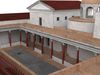
Layout: It features a symmetrical arrangement of rooms around a central inner courtyard or atrium, typical of Roman villas and upscale homes of the time.
Decorative Elements: Decor includes statues, frescoes, and mosaics, typical of Roman luxury residences and reflecting the artistic tastes of the period._
Functional Purpose: Such buildings served as residences for wealthy Romans and their families, as well as venues for social and cultural gatherings.
Maison de la Rotonde exemplifies the luxurious residential estates of ancient Roman society and continues to attract attention for its unique architecture and design among archaeologists and history enthusiasts alike.
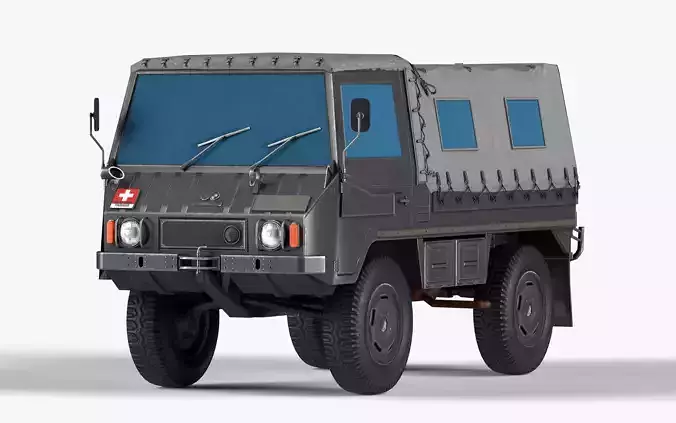
High quality MechKey features:
Highly detailed and realistic
- Gama Ready Geometry
- Comes with wide variety of textures for different rendering engines including PBR textures
- Relative texture paths
- Completely UV mapped & UVs unwrapped
- Native scene with all Blender settings
- Model is fully textured with all materials applied.
- Lights and cameras are not included
Texture sets are also available for:
- Arnold
- Blender (Cycles)
- Corona
- Cinema 4d CGX
- Octane
- PBR (Metalness)
- PBR (Specular)
Unity
Unreal Engine 4
3ds max ( arch design )
Maya mentalray
Blender (Cycles)
If you like the model then have a look at my other products as well. You will certainly find a good quality product as per your need
Le programme de recherche franco-tunisien (CNRS/INP) co-dirigé par Jean-Pierre Darmon et Mongi Ennaïfer de 1987 à 2000 s’est attaché à enrichir notre connaissance du quartier résidentiel de Carthage, dit des villas romaines, situé sur la colline de l’Odéon, à l’Est de celui-ci. Ce quartier avait fait l’objet d’importants dégagements, au début du XXe siècle sous la direction de Paul Gauckler et, dans les années 1930, sous celle de Louis Poinssot. À l’initiative d’Abdelmajid Ennabli, l’équipe franco-tunisienne s’est donné comme objectifs l’exploration et la publication de deux secteurs restés inédits, celui de la maison de la Rotonde et celui de la maison du Cryptoportique. Le premier volume de la publication est consacré à l’évolution de ces deux secteurs ainsi qu’à l’architecture et au décor des structures mises au jour, le second volume à la stratigraphie et au matériel y afférents. Le secteur de la maison de la Rotonde a donné lieu à une fouille en extension qui a permis de restituer son histoire du Ier au VIIe siècle en mettant en évidence quatre états architecturaux successifs, dont le premier a comporté, aux Ier et IIe siècles, des installations artisanales (garum), et dont le dernier est une grande demeure de prestige de la fin de l’époque vandale. Ces architectures ont été analysées très finement état par état. Le décor (mosaïques et peintures) a été relevé et étudié avec la plus grande attention. La maison du Cryptoportique a fait l’objet d’observations architecturales accompagnées d’une série de sondages ; elle a bénéficié de précieuses données fournies par le fonds Poinssot (INHA). Il a été possible d’en restituer les grandes lignes du plan et les principales étapes architecturales, notamment la mise en place d’un remarquable œcus corinthien à opus sectile, ainsi que l’installation, vers 400, d’un cryptoportique. Ici aussi, les décors, en particulier les mosaïques, ont été analysés dans le détail. Ces données et celles déjà connues ont permis de proposer une étude synthétique sur l’évolution du parcellaire et de la voirie de la Carthage romaine des origines à la fin de l’Antiquité. L’abondant matériel recueilli lors de la fouille (céramiques, monnaies, verreries, restes de faune) est ici présenté, pour chacune des deux maisons, dans son contexte stratigraphique. Parallèlement, chaque catégorie de matériel a fait l’objet de synthèses typologiques et/ou historiques de la part des différents spécialistes.
YONEEKA is a team of the 3D artists who can help you with any 3D Models, we will help you if you need any specific model or asset or texture. YONEEKA is a team of 3D artists with over a decade of experience in the field. Find more about us here: http://yoneeka.com