DESCRIPTION

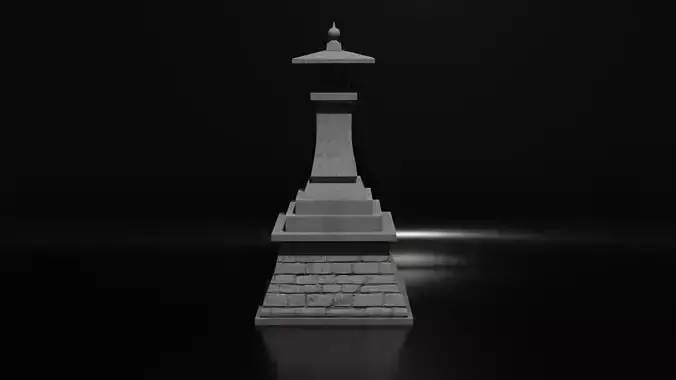
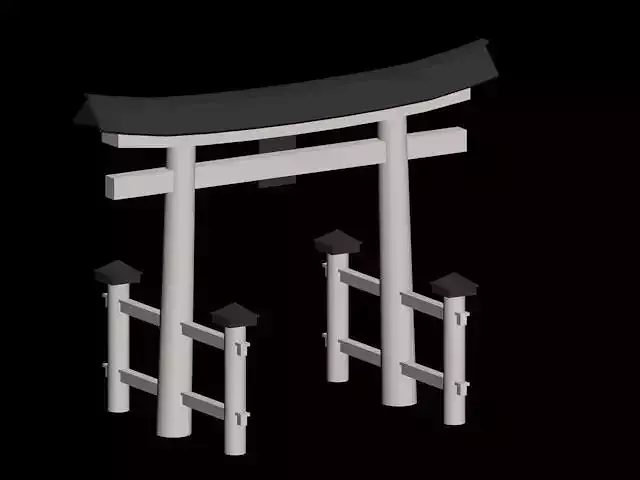
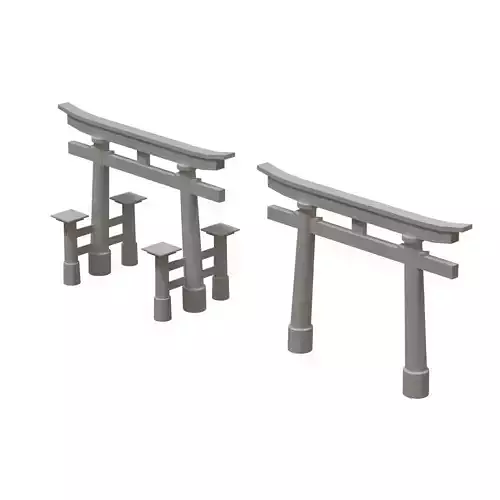
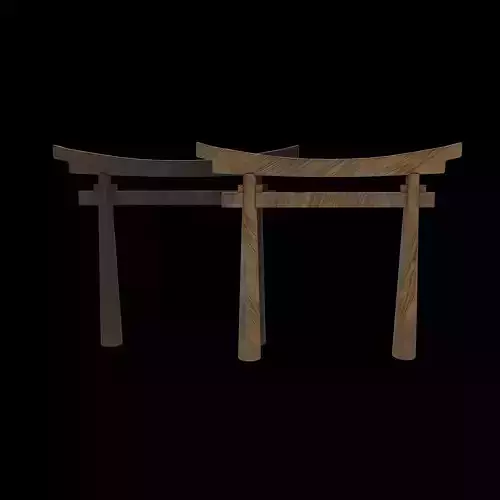
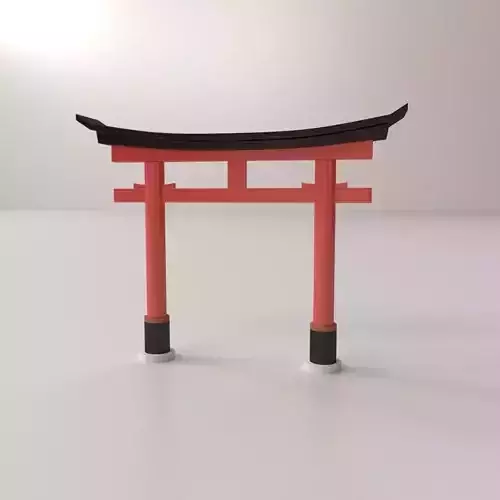
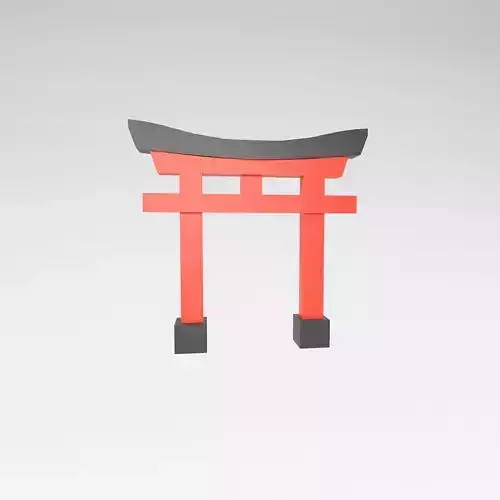
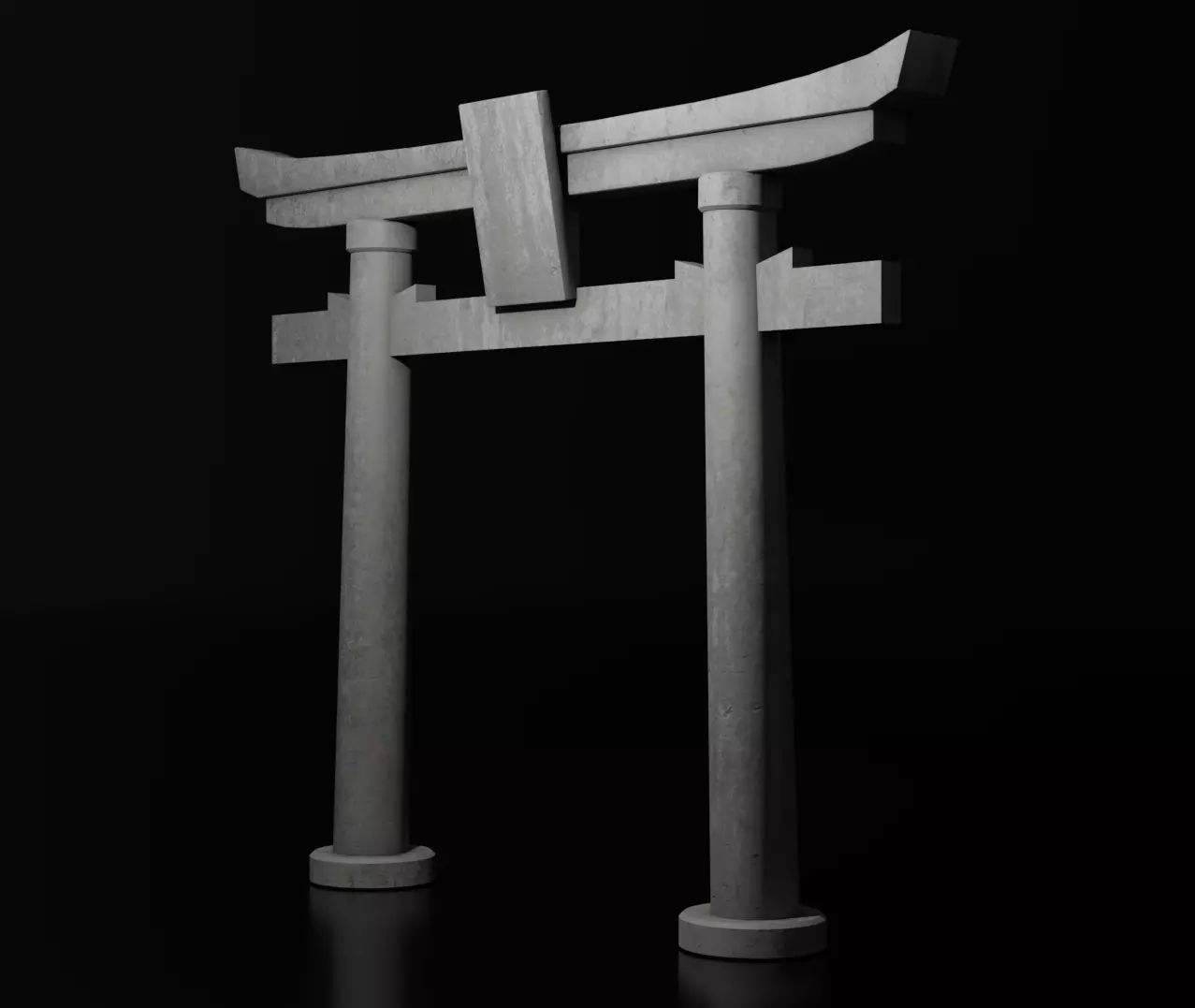
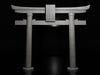
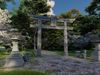
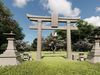
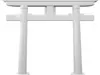
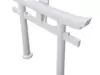
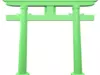
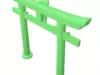
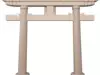
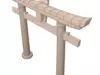
Torii is a traditional Japanese gate most commonly found at the entrance of or within a Shinto shrine, where it symbolically marks the transition from the mundane to the sacred.

The presence of a torii at the entrance is usually the simplest way to identify Shinto shrines, and a small torii icon represents them on Japanese road maps.

The first appearance of torii gates in Japan can be reliably pinpointed to at least the mid-Heian period; they are mentioned in a text written in 922. The oldest existing stone torii was built in the 12th century and belongs to a Hachiman Shrine in Yamagata prefecture. The oldest existing wooden torii is a ryōbu torii (see description below) at Kubō Hachiman Shrine in Yamanashi prefecture built in 1535.

Torii gates were traditionally made from wood or stone, but today they can be also made of reinforced concrete, copper, stainless steel or other materials. They are usually either unpainted or painted vermilion with a black upper lintel. Inari shrines typically have many torii because those who have been successful in business often donate in gratitude a torii to Inari, kami of fertility and industry. Fushimi Inari-taisha in Kyoto has thousands of such torii, each bearing the donor's name.

REVIEWS & COMMENTS

See what other buyers think about this model - real feedback on quality,
accuracy, and usability.
There are no reviews or comments yet. Please be the first one to write it.
BEST PRICE GUARANTEED
Found this model cheaper on another marketplace? Let our support team know - we’ll match it.

Japanese Torii Low-poly 3D model

Royalty Free License
Hire
Like this model to show appreciation to the designer.
See how many times this model was viewed.
Share this model to support the designer and boost their visibility.
File formats
OBJ
OBJ | 2 files<br />File Size: 385 KB
TEXTURES
Textures<br />File Size: 9.74 MB
Provided by designer
Information and details shared directly by the model's designer.
3D Features
The model includes animations (movement or actions) that can be played in supported software or engines.
The model has a skeleton or bone structure, making it ready for posing or animation.
PBR
Uses Physically Based Rendering materials, which give the model realistic lighting and surface properties.
Textures
The model includes image files (textures) that add color, patterns, or detail to its surfaces.
Materials
The model has material settings that define how surfaces look (color, shine, transparency, etc.).
UV Mapping
The model's surfaces are mapped to a 2D image, allowing textures to display correctly.
Plugins Used
Some external plugins were used to create the model. These may be required for full functionality.
3D printing
Indicates whether the designer marked this model as suitable for 3D printing.
Model is not 3D printable
The designer indicates this model is intended for digital use only (rendering, animation, or AR/VR) and not for 3D printing.
Geometry
2692 polygons
The total number of polygons (flat shapes) that make up the 3D model.
/ 2680 vertices
The number of points (corners) that define the shape of the model's polygons.
Unwrapped UVs
Publish date
Model ID
Chat