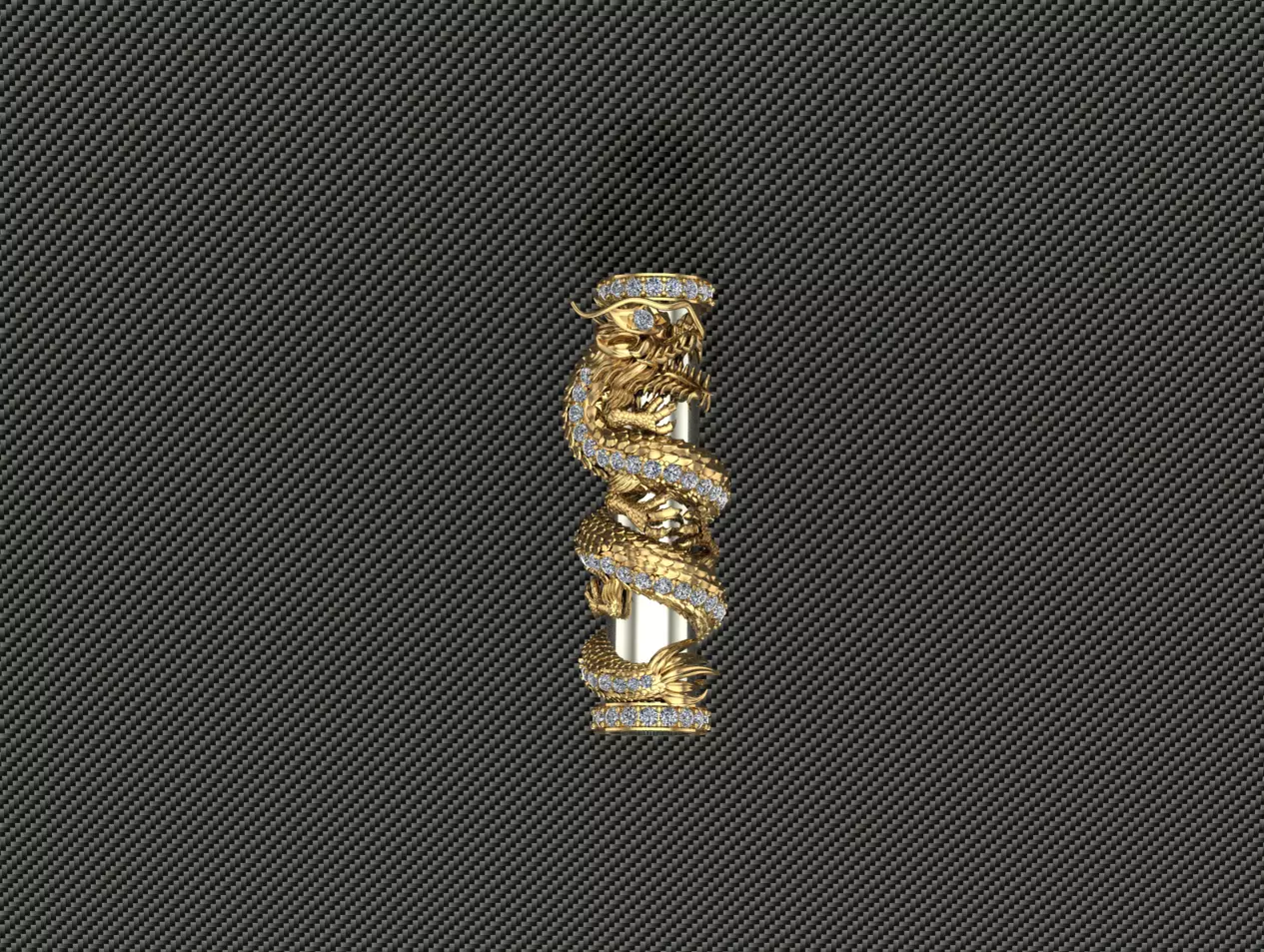
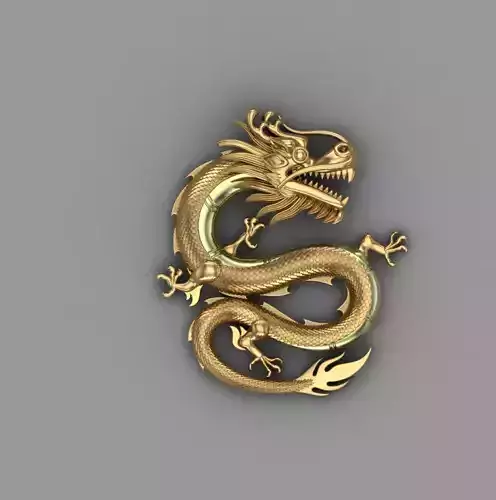
Dragons of the Five Regions/Directions existed in Chinese custom,[13] established by the Former Han period (Cf. [[[#Origins|§Origins]] below)[13] The same concept couched in dragon king (longwang) terminology was centuries later,[14] the term dragon king being imported from India (Sanskrit naga-raja),[15] vis Buddhism,[9] introduced in the 1st century AD during the Later Han.[16]
The five Dragon Kings which were correlated with the Five Colors and Five Directions are attested uniquely in one work among Buddhist scriptures (sūtra), called the Foshuo guanding jing (佛說灌頂經; Consecration Sūtra Expounded by the Buddha early 4th century).[c][19] Attributed to Po-Srimitra, it is a pretended translation, or apocryphal sutra (post-canonical text),[17][20] but its influence on later rituals (relating to entombment) is not dismissable.[20]
The dragon king cult was most active around the Sui-Tang dynasty, according to one scholar,[21] but another observes that the cult spread farther afield with the backing of Song dynasty monarchs who built Dragon King Temples (or rather Taoist shrines),[8] and Emperor Huizong of Song (12th century) conferred investiture upon them as local kings.[22] But the dragon king and other spell incantations came to be discouraged in Buddhism within China, because they were based on eclectic (apocryphal) sutras and the emphasis grew for the orthodox sutras,[23] or put another way, the quinary system (based on number 5) was being superseded by the number 8 or number 12 being held more sacred.[24]
During the Tang period, the dragon kings were also regarded as guardians that safeguard homes and pacify tombs, in conjunction with the worship of Lord Earth.[25] Buddhist rainmaking ritual learned Tang dynasty China by
The concept was transmitted to Japan alongside esoteric Buddhism,[26] and also practiced as rites in Onmyōdō during the Heian Period.[27][28]
Five dragons(Origins)The idea of associating the five directions/regions (wufang; 五方) with the five colors is found in Confucian classic text,[30]
The Huainanzi (2nd cent. BC) describes the five colored dragons (azure/green, red, white, black, yellow) and their associations (Chapter 4: Terrestrial Forms),[31][32][33] as well as the placement of sacred beasts in the five directions (the Four Symbols beasts, dragon, tiger, bird, tortoise in the four cardinal directions and the yellow dragon.[34][35][29]
And the Luxuriant Dew of the Spring and Autumn Annals attributed to Dong Zhongshu (2nd cent. BC) describes the ritual involving five colored dragons.[36]