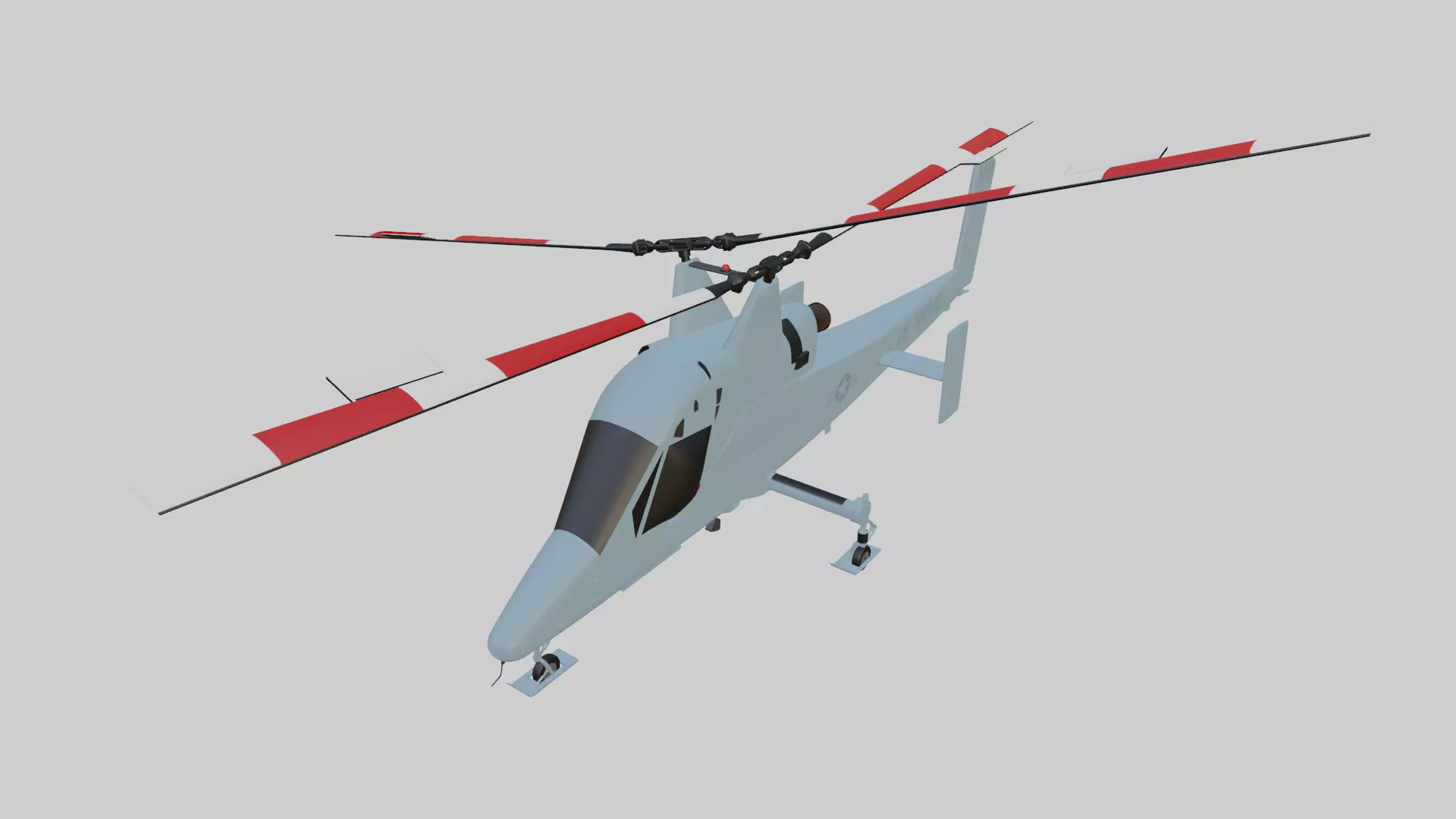
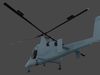
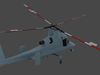
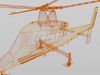
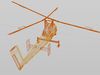
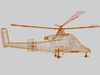
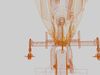
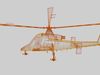
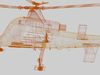
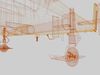
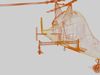
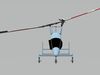
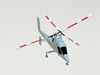
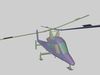
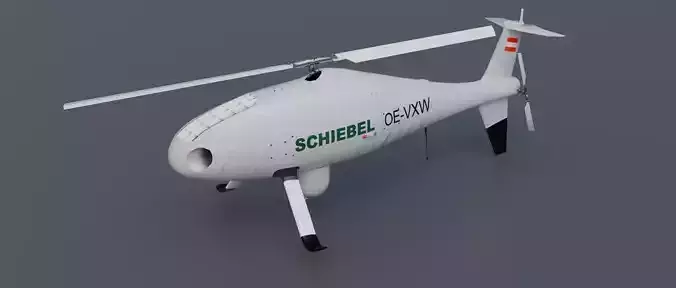
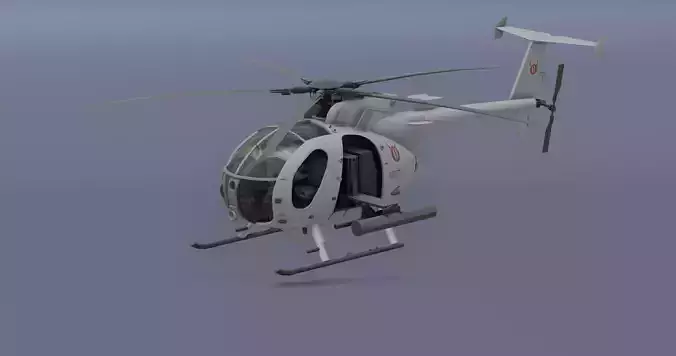
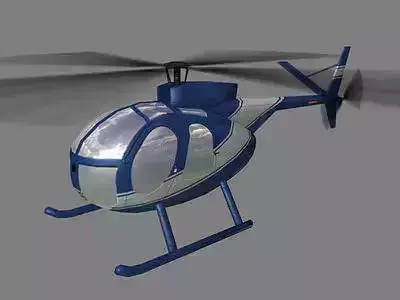
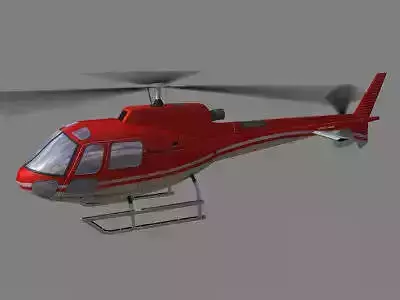
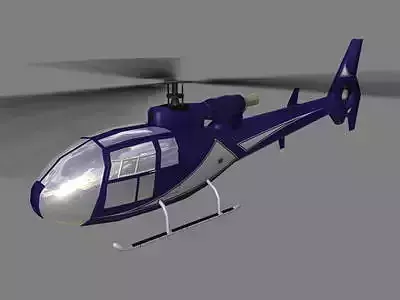
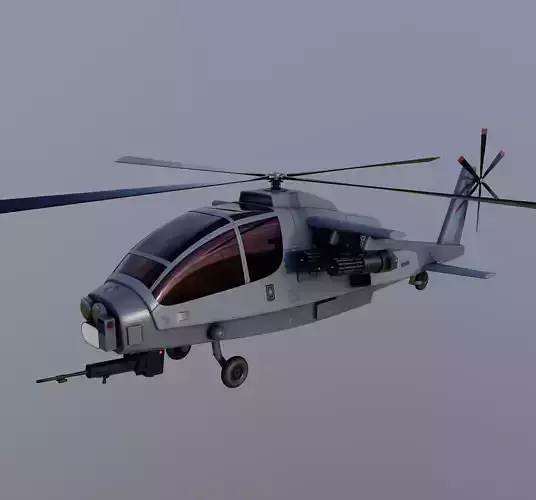
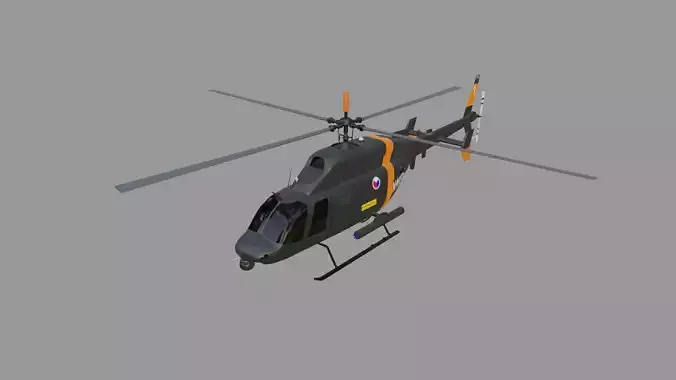
Perfect for use in games and simulation projects. The Kaman K-MAX Helicopter is very unique in many ways, such as its purpose and design.
The K-MAX is a highly specialized, heavy-lift helicopter designed with a distinctive intermeshing rotor system, commonly referred to as a synchropter configuration. This design eliminates the need for a tail rotor by using two counter-rotating rotors mounted on intermeshing shafts, providing enhanced lift capacity, improved stability, and increased operational efficiency in vertical lift scenarios. Developed by Kaman Aerospace, the K-MAX was engineered specifically for external cargo load operations and optimized for high-altitude, hot-temperature performance. Its unique airframe and minimalistic design allow it to lift payloads of up to 6,000 pounds (approximately 2,722 kilograms), which exceeds its own empty weight—making it one of the most effective aircraft in its class for aerial lift operations.
Recognizing the potential for autonomous operations in contested and remote environments, Kaman, in partnership with Lockheed Martin, developed an unmanned version of the K-MAX, equipped with autonomous flight control systems and navigation sensors. This innovation enabled the aircraft to conduct supply missions without the need for onboard pilots, thereby reducing human risk in high-threat areas.
In December 2011, the unmanned K-MAX was deployed to Afghanistan to support U.S. military operations in combat zones. Its deployment marked a pivotal moment in the evolution of unmanned aerial logistics. On December 17, 2011, the U.S. Marine Corps executed the first-ever unmanned aerial system (UAS) cargo delivery in a combat environment using the K-MAX. During this mission, the helicopter successfully transported approximately 3,500 pounds of food, water, and other critical supplies to Marines stationed at Combat Outpost Payne in Helmand Province. This delivery not only demonstrated the aircraft’s operational capabilities but also showcased how autonomous aviation could reduce the need for vulnerable ground convoys, which were often susceptible to improvised explosive devices (IEDs) and ambushes.
Following its initial success, the unmanned K-MAX continued to operate in Afghanistan, conducting hundreds of cargo missions in support of forward-deployed troops. In 2012, a third K-MAX unit underwent rigorous testing within the United States to further evaluate its autonomous cargo delivery potential. These tests included precision drop-offs using a GPS-guided homing beacon, with the aircraft achieving delivery accuracy within a three-meter radius of the target zone—an impressive feat for an unmanned rotorcraft navigating complex terrain.
By February 2013, the unmanned K-MAX had amassed over 700 flight hours in theater and successfully executed more than 600 unmanned resupply missions. In total, it delivered over 2 million pounds of cargo, significantly enhancing the U.S. military’s logistical capabilities while minimizing the risks to personnel. Its consistent performance in harsh and unpredictable conditions validated the feasibility of unmanned rotary-wing logistics and paved the way for future developments in autonomous aerial resupply.
The K-MAX’s success in military applications has since spurred interest in expanding its use to civilian missions such as firefighting, disaster response, and remote construction. Its ability to operate autonomously or with minimal human oversight makes it an ideal candidate for delivering supplies to isolated areas or conducting operations in environments deemed too dangerous or inaccessible for manned aircraft. The legacy of the unmanned K-MAX lies not only in its technological achievements but also in its role as a trailblazer for the integration of unmanned systems in real-world operational scenarios.
Formats include: OBJ, FBX. Feel free to check out the other models, just click on the user name to see the complete portfolio.