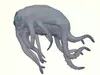
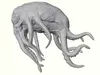
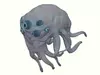
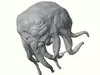
In the flooded ruins beneath a forgotten moon outpost, explorers began seeing eyes in the dark long before they saw a body. The creature drifted close to the ceiling, pale and silent, moving its long tendrils as if reading pressure, heat, and fear from the air. It never blinked all its eyes at once. That was the detail people remembered most.
Core Faction: The Tidewalkers – Aquatic mystics, sea dragons, tide sorcerersThe Pale Ocular Drifter is said to haunt deep-water rifts where light behaves strangely. Tidewalker archivists believe its many eyes do not simply see movement, but also sense emotional disturbance in nearby minds.
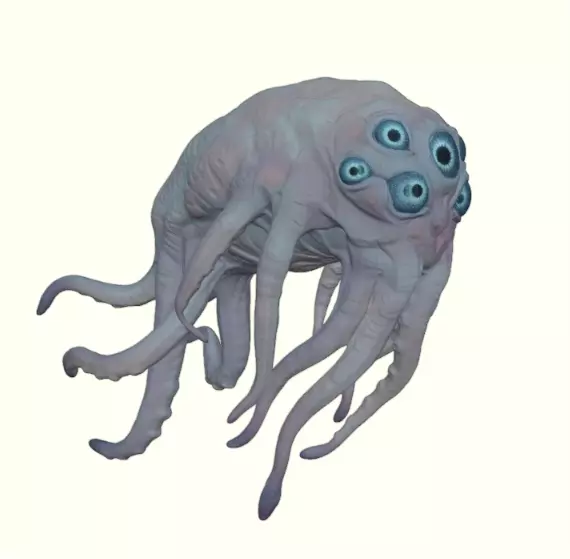
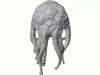
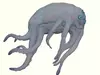
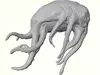
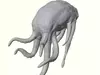
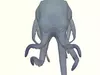
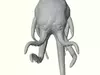
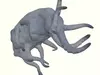
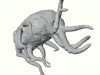
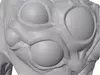
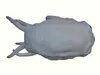
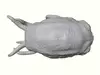
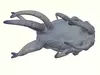
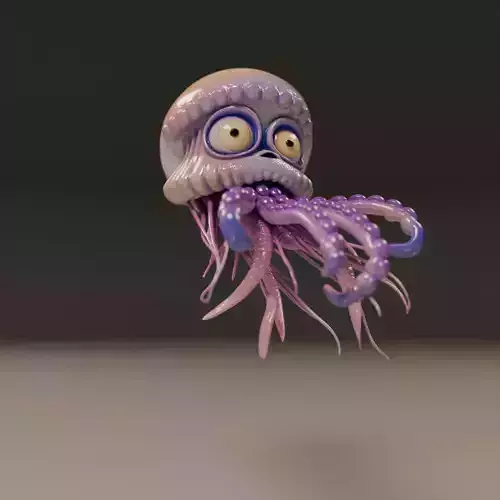
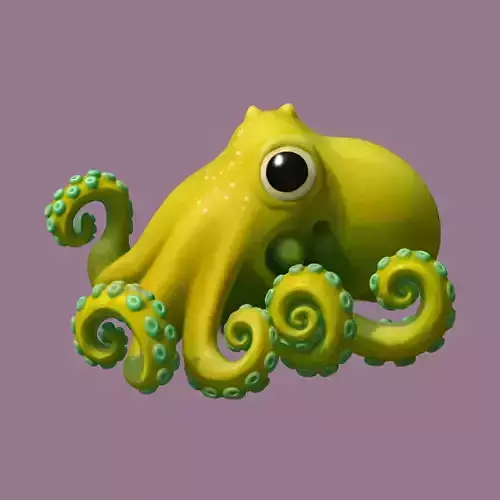
This model depicts a soft-bodied alien creature with a rounded pale body, multiple blue eye structures, and long tentacle-like limbs hanging beneath the head and torso. The front of the creature is dominated by clustered eyes of different sizes, giving it an alert and unsettling expression. The body surface has subtle organic folds, soft wrinkles, and shallow ridges, while the lower tendrils create a floating, drifting silhouette.
The model works well as a sci-fi horror creature, abyssal alien, dream parasite, deep-sea anomaly, tabletop monster, or display piece for collectors who enjoy strange non-humanoid anatomy. The large eyes are the main visual focus and can be painted with glossy effects, pale blue gradients, or glass-like finishes. The soft body texture contrasts well with darker shadows between the tendrils, making it suitable for washes, glazing, and bioluminescent color schemes.
This model is based on an original concept and design. The initial 3D form was generated with the assistance of AI tools, after which it was extensively refined and manually detailed in Blender and other 3D editing software. This workflow ensures the figure maintains its unique character and meets the standards of precision, structure, and print-readiness required for high-quality 3D printing.
Please note that the model is primarily designed for textured versions (OBJ + MTL in ZIP archive), allowing for a rich and visually detailed result when used with color-supported 3D printing or digital rendering. The non-textured version (STL, 3MF) may lack some surface details visible in the textured formats. The formats included are STL, OBJ, MTL, 3MF, FBX, and BLEND inside a ZIP archive.
Technical features and printing recommendationsRecommended print technologyResin printers are recommended for the eye rims, soft skin folds, and thin tendril tips.FDM printers can work at larger sizes with careful supports and slower print speeds.Suggested resin settingsLayer height: 0.03–0.05 mmOrientation: slight backward or side tilt to protect the eyes and reduce suction under the bodySupports: light to medium supports under the main body, tendrils, lower tips, and inner gapsHollowing: optional for larger display prints, with 2–3 mm wall thickness and drain holes hidden under the bodySuggested FDM settingsLayer height: 0.12–0.16 mm with a 0.4 mm nozzleWalls: 2–3 perimeters, infill 12–18%Supports: required for tendrils, underside curves, and body overhangsMaterial: PLA for easier printing, PETG for stronger tendril tipsRecommended size and print estimatesRecommended height: 90–130 mm for tabletop use, or 150–200 mm for displaySupports: requiredMinimum print time: 360 minutesMaterial estimate at about 120 mm height: Resin 70–130 g or Filament 80–150 g, depending on hollowing, supports, and infill
Scaling Note: This model is designed in millimeters (mm). If it appears too small when imported into your slicer, ensure your software is set to mm units. If needed, scale the model up 100x if the slicer defaults to meters instead.